How To Make Gluten-Free Meatloaf
If you’re on a gluten-free diet, finding satisfying and comforting meals can sometimes feel challenging. One beloved classic that we can easily make gluten-free is meatloaf. We’re going to explore how to create a flavorful, moist gluten-free meatloaf that’s perfect for any family dinner. Whether you’re cooking for yourself or for a crowd, this guide will provide you with all the steps to make a delicious gluten-free version of this classic dish, ensuring everyone at the table can enjoy it together.
Understanding Gluten-Free Ingredients
Before we get started in the kitchen, it’s essential to understand the key ingredients that go into our gluten-free meatloaf. Let’s jump into the specifics so we can make informed choices.
Choosing the Right Meat
The foundation of our meatloaf is the meat itself. For gluten-free meatloaf, we typically opt for ground beef, turkey, or chicken. Each type of meat brings its own unique flavors and textures:
- Ground Beef: This is the classic choice, offering rich flavor and a satisfying texture.
- Ground Turkey: A leaner option, ground turkey makes for a lighter meatloaf and absorbs flavors beautifully.
- Ground Chicken: Similar to turkey, it’s also a lean choice but tends to have a milder flavor.
When selecting meat, we recommend looking for high-quality, fresh products. Organic and grass-fed options not only enhance flavor but can also bring additional health benefits.
Best Binding Agents for Gluten-Free Meatloaf
In traditional recipes, breadcrumbs often serve as a binder, but for our gluten-free version, we have several alternatives:
- Gluten-Free Bread Crumbs: Look for store-bought varieties made from gluten-free bread or make your own by toasting gluten-free bread and crushing it.
- Oats: Ground oats can act as an excellent binder. Ensure they are labeled gluten-free to avoid cross-contamination.
- Cooked Quinoa or Rice: These add texture and binding without the gluten.
Choosing the right binding agent also enhances the nutritional profile of our meatloaf.
Essential Seasonings and Flavorings
Seasonings can make or break our meatloaf. Here are some staples we can’t skip:
- Onions and Garlic: Fresh or powdered, they add depth of flavor.
- Worcestershire Sauce: Opt for gluten-free versions to enhance umami flavors.
- Dry Herbs: Oregano, thyme, and parsley are great choices.
- Salt and Pepper: Essential for basic seasoning.
We encourage experimenting with our favorite spices and herbs to make the meatloaf uniquely ours.
Preparing the Meatloaf Mixture
Now that we have our ingredients lined up, it’s time to prepare our meatloaf mixture.
Mixing Ingredients for Optimal Texture
Getting the right texture begins by thoroughly mixing our ingredients. Here’s how:
- In a large bowl, combine the ground meat with our selected binding agents, seasonings, chopped onions, and garlic.
- Use our hands to gently combine everything. Overmixing can lead to a dense texture, so we want to combine just until everything is evenly distributed.
- Add moisture: Consider adding a couple of tablespoons of milk or a gluten-free alternative (like almond or coconut milk) to keep our meatloaf moist.
- Taste Test: Don’t forget to take a small amount of the mixture, cook it, and taste for seasoning before shaping the meatloaf.
Shaping Your Meatloaf
Once our mixture is ready, we can shape it:
- Form a loaf shape directly in a baking dish or on a lined baking sheet, making sure it’s even in thickness. This helps it cook uniformly.
- Consider using a loaf pan for a classic shape, which also helps retain moisture.
Tips for Moisture Retention
One of our biggest goals with meatloaf is to keep it moist and delicious. Here are some handy tips:
Using Toppings and Glazes
Adding a topping not only enhances flavor but also helps lock in moisture:
- Ketchup: A classic choice. We can spread a layer on top before baking.
- BBQ Sauce: For a smoky flavor, BBQ sauce can be drizzled on top.
- Glaze: Mixing ketchup, brown sugar, and mustard creates a sweet and tangy glaze that adds moisture and flavor.
- Bacon: Laying strips of bacon on top will infuse the meat with flavor as it cooks, while adding a crispy texture.
Applying these at the right stage will make our meatloaf truly irresistible.
Cooking Techniques for Perfect Meatloaf
With our meatloaf shaped and topped, we’re ready for cooking. The method we choose can affect the final product significantly.
Choosing the Right Cooking Method
There are a couple of reliable methods for cooking meatloaf:
- Oven: Preheat to 350°F (175°C) and bake for about 1 hour or until it reaches an internal temperature of 160°F (71°C).
- Slow Cooker: For a hands-off approach, we can cook our meatloaf in a slow cooker on low for 6-8 hours. This is great for retaining moisture.
- Grilling: If we’re feeling adventurous, grilling can impart a wonderful smoky flavor and keep our meatloaf moist.
Checking for Doneness
To ensure our meatloaf is fully cooked:
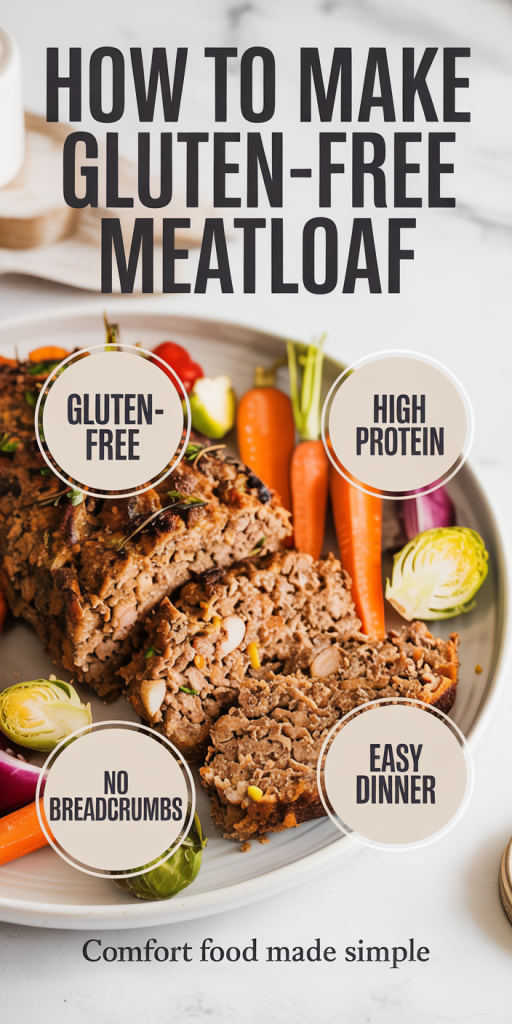
- Use a meat thermometer to check internal temperature. We aim for 160°F (71°C) in the center. Letting it rest for 10 minutes before slicing helps retain moisture and makes it easier to serve.
Serving and Storing Leftovers
After all that hard work, we can’t wait to enjoy our meatloaf. Here’s how we can serve it and save any leftovers.
Creative Serving Ideas
- Classic Side Dishes: Mashed potatoes, green beans, or a fresh salad pair perfectly with our meatloaf.
- Meatloaf Sandwiches: Slice our leftovers and serve them on gluten-free bread with your favorite toppings for an easy lunch.
- Meatloaf Muffins: For a fun twist, shape the mixture into muffin tins before baking for individual servings.
Storing and Reheating Leftovers
For any leftover meatloaf:
- Cooling: Once cooled, it’s best to wrap it tightly in plastic wrap or place it in an airtight container.
- Refrigeration: Leftovers can be stored in the fridge for up to 4 days.
- Freezing: For longer storage, meatloaf can be frozen for up to 3 months. When reheating, we recommend using an oven to maintain its texture.
Conclusion
Making gluten-free meatloaf doesn’t have to be complicated. By selecting the right ingredients, preparing with care, and keeping moisture in mind, we can create a delicious dish that everyone will enjoy. With these tips, we’re not just limited to the classic meatloaf: we can explore hidden flavors, mix up our proteins, and find creative ways to enjoy leftovers. So, gather your ingredients, get cooking, and let’s savor this gluten-free delight together.