Designing a Mindful Self-Care Advent Calendar: A Practical Guide
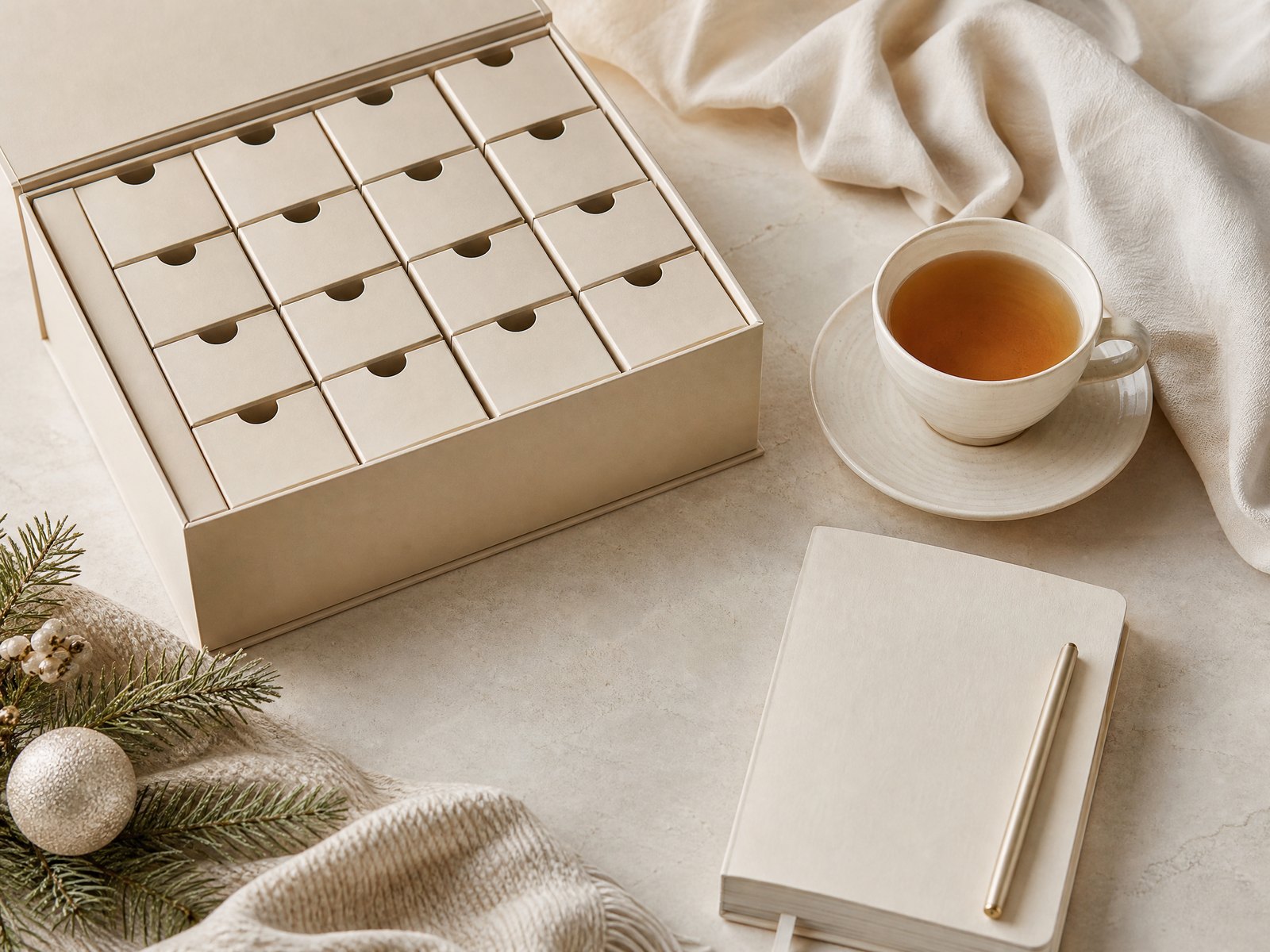
An advent calendar for yourself can be less about candies and trinkets and more about building a gentle, intentional rhythm through the busy season. Rather than filling pockets with random items, a mindful self-care calendar is an opportunity to design small, doable rituals that support wellbeing without adding pressure. Approached thoughtfully, it becomes a tool for consistency, delight, and mini resets across weeks of hectic schedules.
This guide walks you through a simple framework to choose or create an advent calendar that actually fits your life: ensure the contents match your routine, balance categories of care, respect scent sensitivities, plan around your budget, pace the treats, consider storage, think about gifting etiquette if giving to others, and reduce waste. Each section contains practical steps, examples, or checklists so you can build a calendar that feels nourishing, sustainable, and uniquely yours.
1. Match the Calendar to Your Daily Routine
Start by mapping when you actually have two to ten minutes for something extra. Some people prefer micro rituals in the morning to set the tone, while others unwind with a short practice before bed. Choose items that can be completed in the time you realistically have: a one-minute breathing prompt, a three-minute face massage, or a five-minute note to a friend will integrate far more successfully than a half-hour activity you never start.
Think about where each item will be used and how it layers into existing habits. Place morning prompts near your coffee setup; store evening items by the bedside. If you already have a skincare or movement routine, slot complementary practices—like a single nourishing step or a short stretching prompt—rather than trying to replace entire routines. The goal is coherence: the calendar should add small, consistent moments rather than create new obligations.
2. Aim for Category Balance
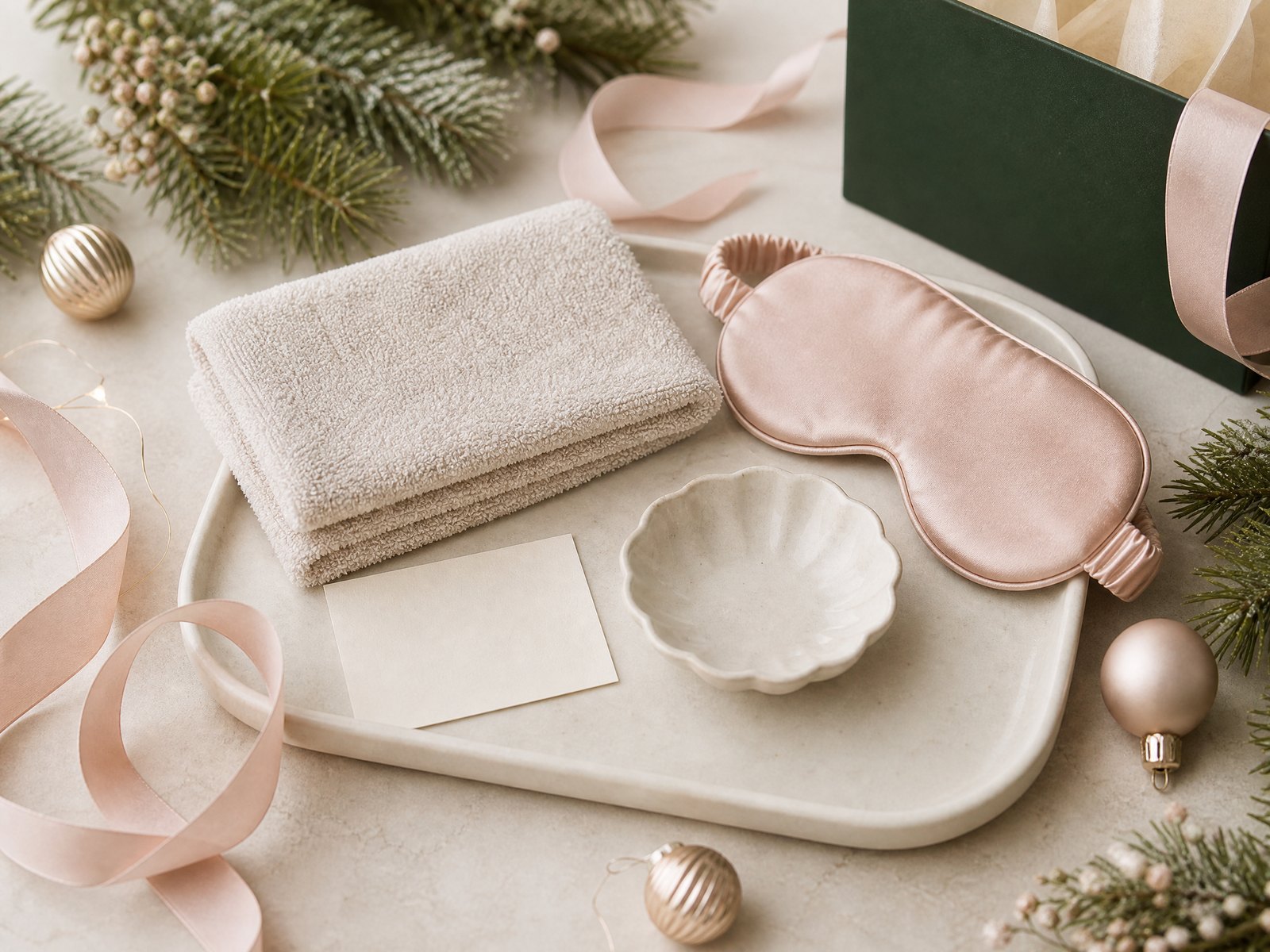
Create variety by balancing categories of care so your calendar feels varied and satisfying. Useful categories include: sensory pleasures (a small scent or cozy touch), self-reflection (a journal prompt or gratitude list), movement (a short stretch or walk challenge), skin or body care (a simple treatment or grooming step), nourishment (a recipe or a tea sachet), and practical treats (a voucher for a chore-free hour or a tidy-up tip). A well-rounded mix prevents the calendar from feeling monotonous and ensures different facets of wellbeing are attended to over the course of the month.
Decide on proportions that suit your priorities. For example, you might aim for half the days to be tiny practices (five minutes or less), a quarter to be sensory treats, and the remainder to be occasional indulgences or experience vouchers. Keep a few surprise slots for something special—an unexpected card, a free day—so the calendar maintains an element of delight.
3. Respect Scent Sensitivities and Personal Preferences

Fragrance can make an item feel luxurious for some and overwhelming for others. When selecting scented elements, prioritize subtle or naturally derived options if you know the person enjoys scent, and always include unscented alternatives for those who prefer neutral sensory input. Labeling scents clearly and keeping strongly scented items separate helps avoid surprises and allows people to choose consciously.
Consider offering small, low-concentration samples or sachets instead of concentrated sprays or heavy oils, and think about non-fragrance sensory options—textures, warm beverages, or soft lighting—that provide comfort without scent. If you’re giving a calendar to someone else and are unsure about their sensitivities, choose scent-free, hypo-aware, or experience-based entries to keep the experience inclusive and pleasant for everyone.
4. Plan Within a Practical Budget

A mindful advent calendar doesn’t have to be expensive; it’s about intention and curation rather than cost. Set a per-day or total budget before you start and prioritize items that offer the most meaning for the price. Low-cost options often include handwritten notes, printables, homemade treats, single-use pantry ingredients, or vouchers for experiences like a home-cooked meal or a tech-free hour. These can feel every bit as thoughtful as purchased luxuries.
Stretch your budget by combining DIY elements with a few small purchased items for contrast. Reuse small jars or boxes, decant a larger product into sample-sized containers, or include actions (a 10-minute walk with a playlist, a free online class link) that cost nothing but create value. Keeping the budget explicit prevents impulse splurges and helps you design a calendar that’s sustainable for the season—and future years.
5. Pacing: How to Space Treats and Practices

Pacing is how you make the calendar feel steady rather than overwhelming. Alternate simple micro-practices with one larger treat every few days, and build in rest days where the entry is a permission to do nothing extra. Use slower phases (weekends or quieter days) for activities that take longer, and reserve quick, energizing prompts for busy mornings or workdays.
Checklist:
- Schedule one longer or special item every 3–5 days so treats feel earned.
- Alternate action-based days (movement, tasks) with restorative days (journaling, sensory comforts).
- Include explicit rest or free-choice days labeled “do nothing extra” to prevent pressure.
- Use weekends for group or family activities and weekdays for short personal practices.
- Keep a few surprise days without revealing contents to preserve delight.
6. Storage and Presentation That Support Use

Choose packaging and storage that make items easy to access and protect them from damage. If you’re using small containers, opt for resealable bags, reusable pouches, or paper envelopes that can be stored together in a basket or box. Make sure fragile or perishable items are distributed toward the start of the calendar to avoid spoilage, and include notes about any storage requirements so nothing gets ruined mid-month.
Checklist:
- Use a central box or tray to keep calendar pieces organized when not displayed.
- Label items with day numbers and any storage notes (e.g., refrigerate, keep upright).
- Protect fragile items with padding or separate compartments.
- Keep liquids upright and sealable; avoid combining powdery items with damp storage.
- Reuse household containers to minimize cost and excess packaging.
7. Gifting Considerations: Personalization and Respect

If you’re giving a self-care advent calendar to someone else, center the recipient’s tastes and boundaries rather than your own. Ask subtle questions about preferences—favorite scents, food aversions, and lifestyle rhythms—or offer a short questionnaire that lets them opt in to different kinds of entries. Personalization can also mean including small tokens related to shared memories or inside jokes, which often matter more than expensive items.
Checklist:
- Confirm any allergies, dietary restrictions, or scent sensitivities in advance.
- Include a note explaining the concept and how to use the calendar, especially if the recipient is new to micro-routines.
- Offer a few redeemable vouchers (a coffee out, a help-with-chores coupon) rather than mystery consumables.
- Keep receipts or include gift cards for items that need returning or exchanging.
- Choose non-perishable or experiential entries if you’re unsure about the recipient’s home environment.
8. Waste-Aware Choices for a Low-Impact Calendar

Design the calendar with reuse and minimal waste in mind. Favor refillable containers, compostable packaging, and items that have a functional life beyond the advent month—like reusable cloths, notecards for ongoing use, or tools that integrate into daily routines. Experience-based gifts (a walk, a shared meal, a workshop) reduce material waste and create lasting memories.
Checklist:
- Use reusable packaging (fabric pouches, tins, jars) rather than single-use plastic.
- Prioritize items with recyclable or compostable packaging and label disposal instructions.
- Include practical items that will be used after the season (towels, utensils, stationery).
- Convert leftover packaging into gift wrap or storage to extend its useful life.
- Keep a plan for food or perishable items—share them early or swap for nonperishables if needed.
Final Thoughts
A mindful self-care advent calendar is most successful when it’s designed around the life it will live in: the rhythms of your days, the preferences of the recipient, and the resources you want to commit. By aligning contents with routine, balancing categories, honoring scent preferences, budgeting thoughtfully, pacing activities, planning storage, personalizing gifting, and minimizing waste, you create an experience that’s both joyful and sustainable.
Start small: sketch a simple outline of categories and a per-day budget, then fill in items that feel meaningful rather than perfect. The real value is in the repeated, gentle invitations to pause, care, and connect—one small day at a time.