Practical Design Principles for a Modern Family Beach House

A beach home can be both stylish and suited to everyday family life when design choices focus on durability, light, and flexible living. Thoughtful decisions about materials, storage, and layout create a house that feels calm, welcoming, and easy to maintain without sacrificing a refined, contemporary look.
This guide outlines practical strategies for balancing modern minimalism with coastal warmth, arranging spaces for active households, and choosing finishes that stand up to sand, salt air, and frequent use. The recommendations are aimed at creating a functional, serene environment that adapts as family needs change.
1. Define a Clear Design Intent: Modern Simplicity With Coastal Texture
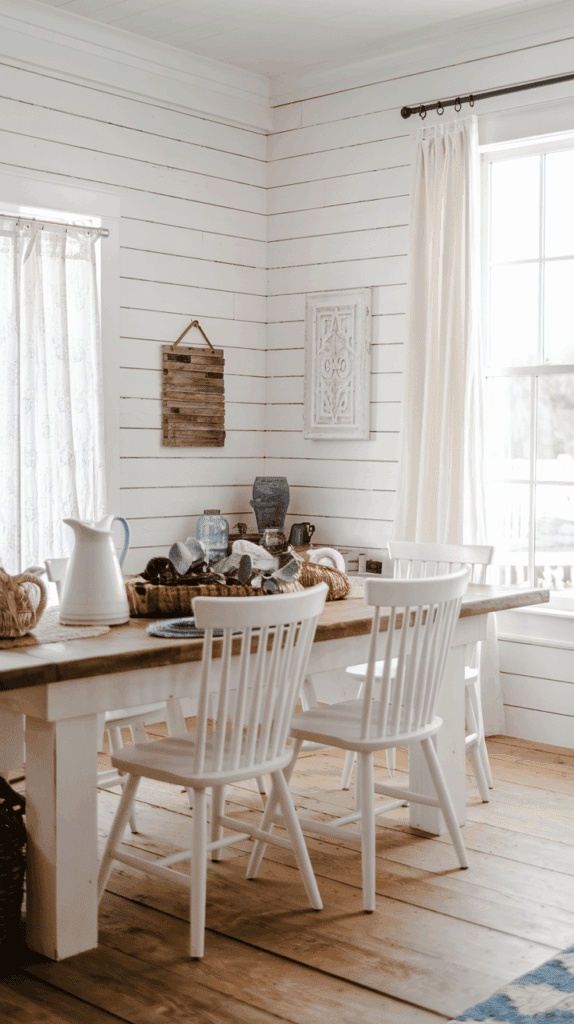
Begin by clarifying priorities: what should feel pristine and what can be relaxed? A restrained palette—neutral walls, a limited range of accent colors inspired by the shoreline—keeps the overall aesthetic calm. Layer in texture rather than additional color: warm wood tones, woven rugs, and linen or cotton textiles introduce coastal character without cluttering the space. Pick a few signature elements (one statement light fixture, an anchoring rug, or a sculptural piece of driftwood) and keep other surfaces visually quiet. Establishing this intent early helps every choice—furniture, fixtures, finishes—stay consistent with a cohesive vision that is both modern and approachable.
2. Choose Hardworking Surfaces That Still Look Refined
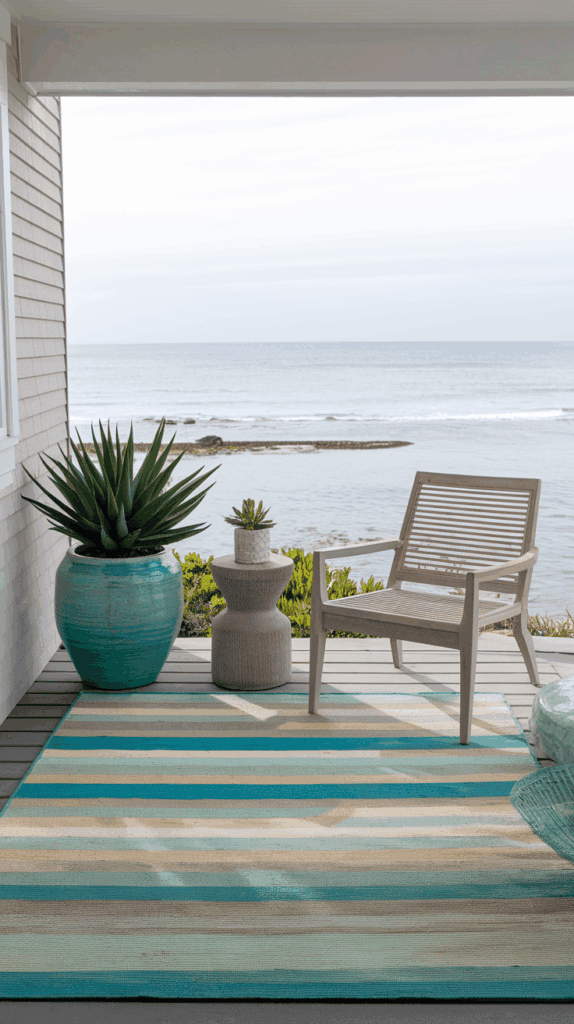
Flooring and counters in a beach home need to resist sand, moisture, and heavy traffic while remaining attractive. Porcelain tile in natural tones or luxury vinyl planks are practical ground options because they tolerate wet feet and are easy to clean. For countertops and wet areas, consider nonporous materials or sealed natural stone with protective finishes to limit staining from salt and sunscreen. Matte or brushed metal finishes for hardware hide fingerprints and wear better than high-shine alternatives. Prioritize surface choices that are forgiving to daily life but chosen in a palette and texture that read as intentional and modern.
3. Select Family-Friendly Furniture and Soft Goods
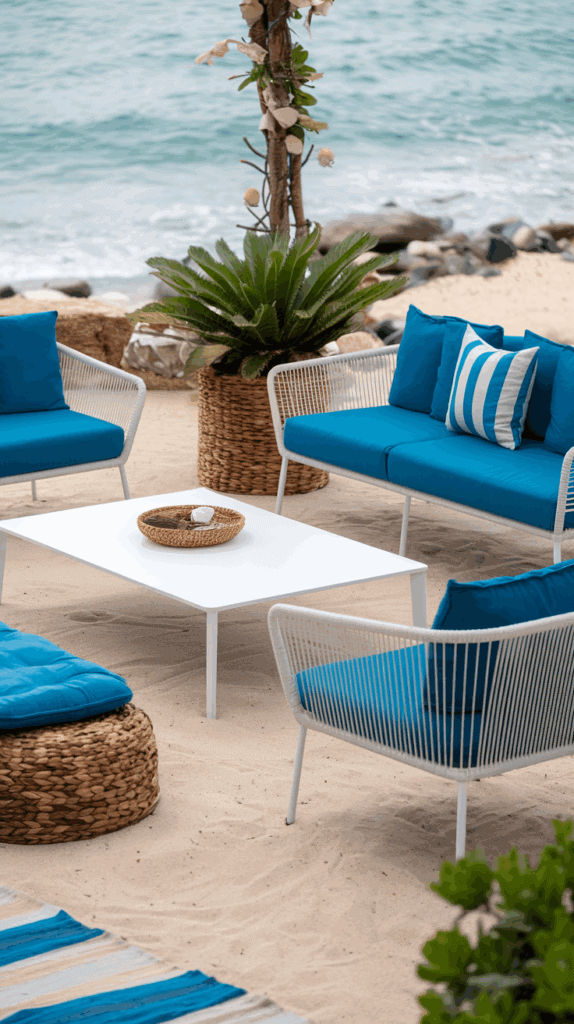
Furniture should balance clean lines with resilience. Opt for frames that are simple and durable—solid wood or metal—and upholster with performance textiles that repel stains and are easy to wipe down. Slipcovers or removable cushion covers extend longevity and make laundering straightforward. Favor rounded corners and low profiles in pieces used by children to reduce injury risk. Layer washable rugs in high-use zones to protect floors and provide comfort underfoot. Keep decorative items minimal and secured, so the space maintains its style without becoming fragile or high maintenance.
4. Design Entry and Storage Zones to Contain Sand and Gear
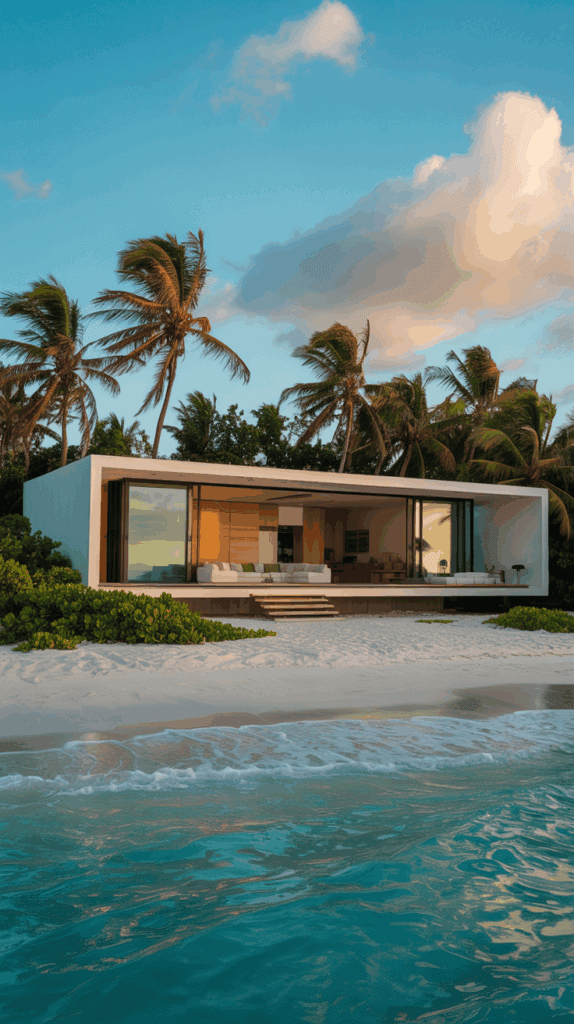
Plan a purposeful entry sequence to prevent sand and wet items from migrating through the home. A designated gear zone near the primary entrance, outfitted with benches, deep baskets, and cubbies, allows shoes, towels, and toys to be dropped and stashed quickly. Incorporate durable, ventilated bins for wet items and hooks at child height to encourage independent cleanup. Built-in storage that blends with the architecture reduces visual clutter and keeps essentials accessible. Simple labeling systems and open baskets make tidying faster for every member of the household.
5. Make Flexible Layouts That Adapt to Everyday Life
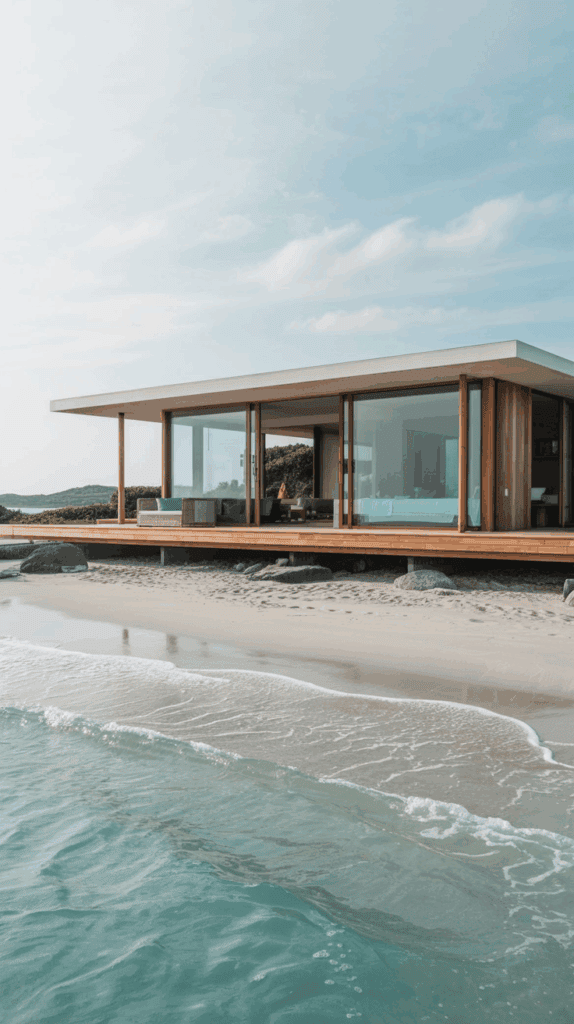
Open-plan layouts support supervision and social interaction while allowing zones to perform multiple functions: a dining table can double as a homework station, a living area can accommodate play or guests, and a spare room can be designated as a flexible media or craft space. Use furniture placement, rugs, and lighting to define activity areas rather than relying on permanent partitions. Choose modular or multiuse pieces—storage ottomans, extendable tables, and movable shelving—to shift the room’s function when needed. Thoughtful sightlines and traffic flow keep the home feeling spacious and organized even on busy days.
6. Maximize Natural Light, Ventilation, and Privacy
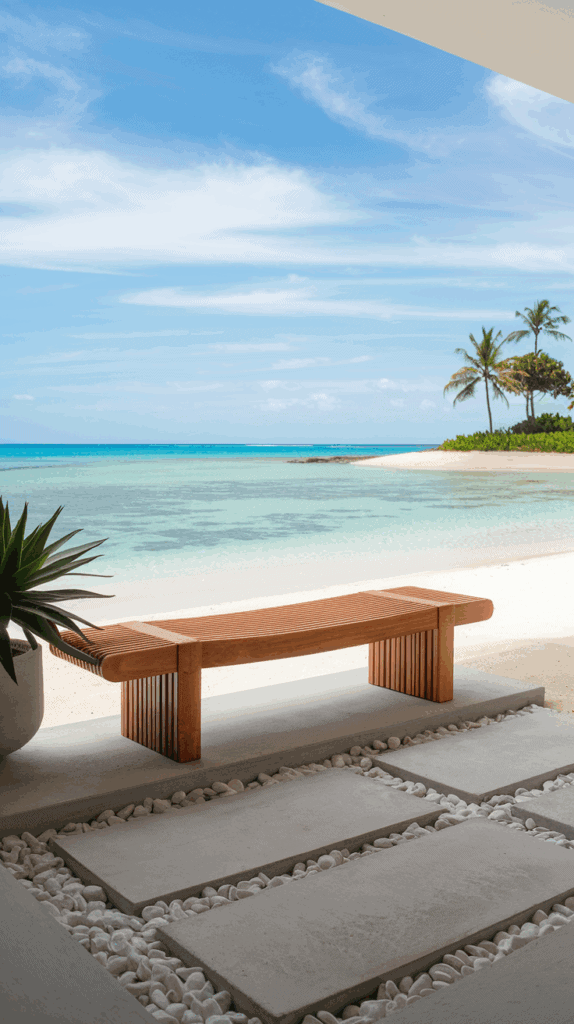
Prioritize window placement that captures views and sunlight while maintaining privacy. Large glazing facing the ocean invites daylight and connection to the outdoors; combine with higher, narrower windows on exposed sides to add light without full visibility from neighbors. Operable windows and sliding doors help create cross-ventilation, reducing reliance on mechanical cooling and bringing in fresh air. Outdoor shading—awnings, pergolas, or deep eaves—protect interiors from harsh midday sun while enabling comfortable al fresco living. Consider screens or layered window treatments to balance light, airflow, and privacy.
7. Adopt Maintenance Routines to Keep a Seaside Home Fresh
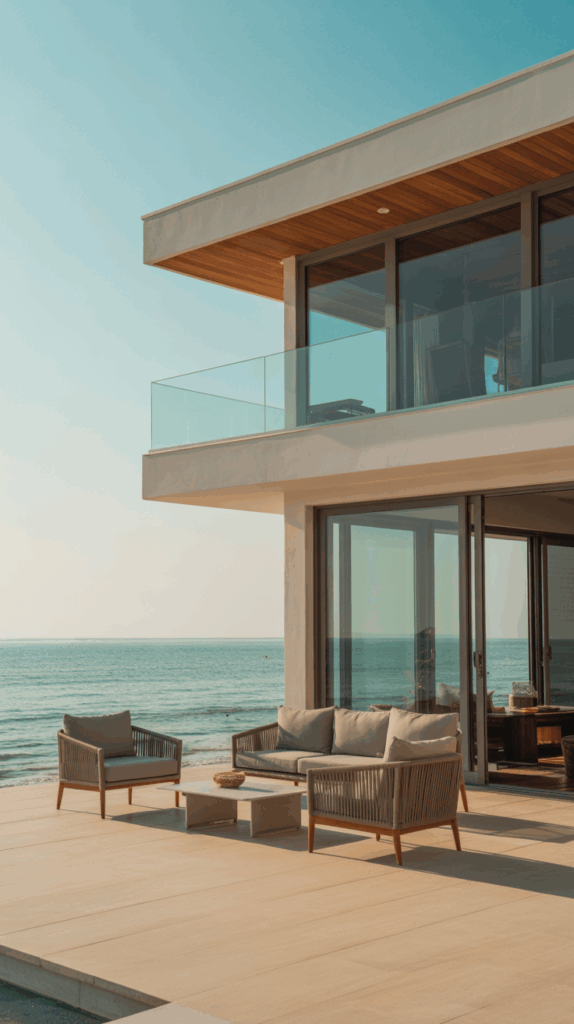
A routine tailored for coastal conditions preserves materials and reduces long-term wear. Regularly sweep or vacuum sandy areas before more thorough cleaning to avoid abrasion; rinse and air out wet textiles promptly to prevent mildew. Use protective mats at all entrances and rotate or shake out rugs frequently. Periodic inspections of exterior finishes and hardware for salt corrosion will lengthen the life of fixtures. Establish simple daily habits—putting items back in designated bins, hanging damp gear to dry, and wiping high-touch surfaces—that keep clutter manageable and the home feeling intentional.
Final Thoughts
Designing a modern family beach house is about marrying practicality with a relaxed coastal aesthetic. Thoughtful choices in materials, storage, layout, and ventilation make a home resilient to daily activity and seaside conditions while preserving a calm, contemporary atmosphere. With clear priorities and simple routines, a beachfront house can be both beautiful and livable for years to come.