A Safe, Stylish Christmas Mantel: A Simple Framework for Holiday Dressing
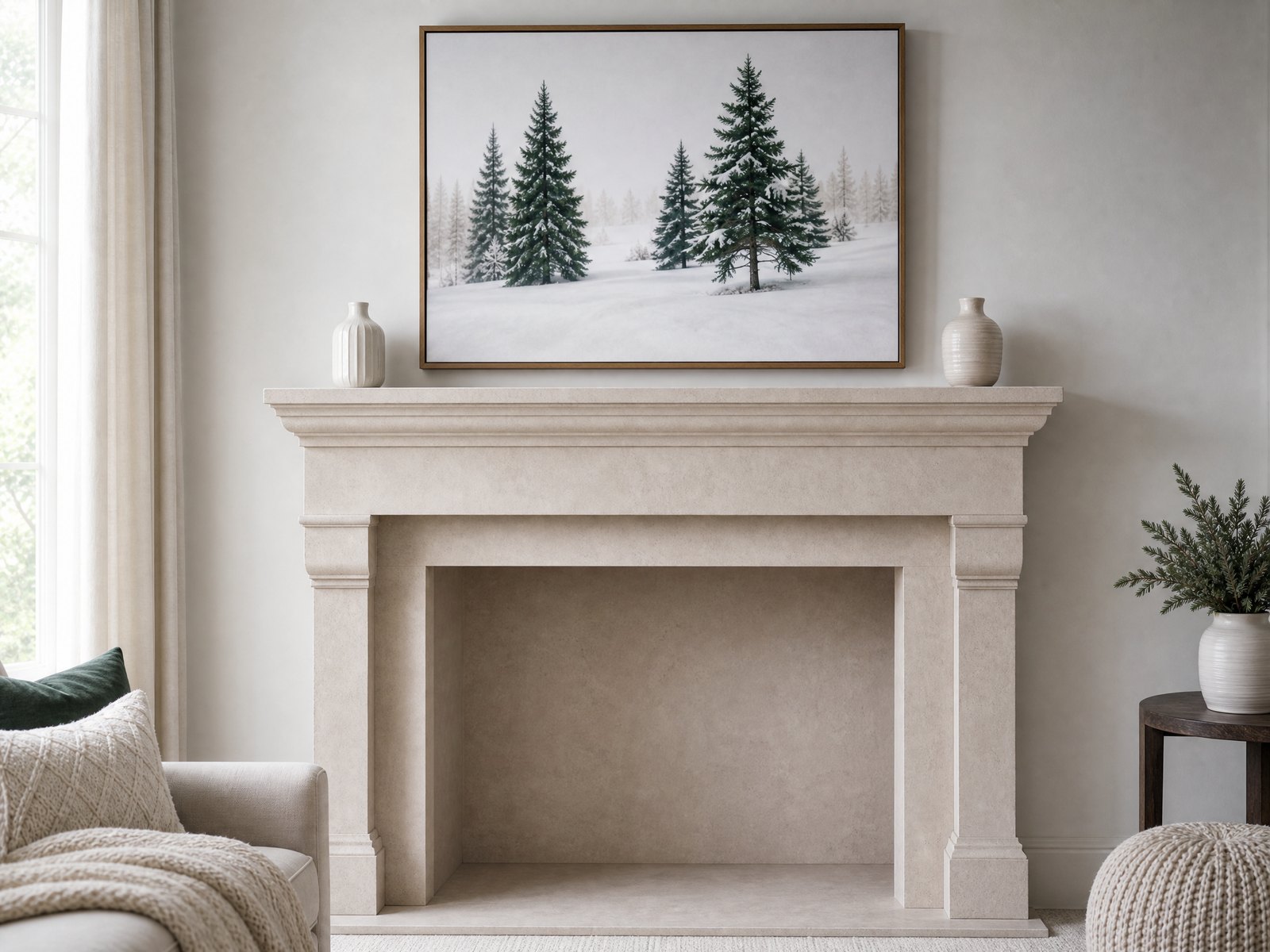
Your mantel is the seasonal stage for a home’s most photographed moments — but it doesn’t need to be complicated to look considered. With a few guiding choices you can create a cohesive, elegant display that reads as intentional rather than cluttered. The right approach balances one clear focal point with layered height, a controlled palette, and practical safety decisions so the mantel feels festive without risking damage or fire hazards.
This article lays out a compact framework you can apply in any room: establish one visual anchor, work upward for interest, pick a restrained color story, keep decorations well away from heat and openings, prefer battery-powered illumination, use soft textiles away from the fire zone, introduce natural texture with care, and plan for an efficient reset after the season. Each step shows how to get the look and why safety-aware choices make the mantel both beautiful and sensible.
1. Choose a Single Visual Anchor
Begin by deciding on one clear focal element that will read as the centerpiece of your mantel — a large framed picture, a statement mirror, an artful wreath, or an oversized seasonal piece. This anchor sets the scale and orientation for everything else, so its size should relate to the width and height of the mantel: too small and the rest will look tacked on; too large and the display will feel cramped. Place the anchor centrally or intentionally off-center depending on whether you want a symmetrical or more relaxed composition.
Once the anchor is in place, use it to establish visual rhythm: repeat a color, shape, or texture from the anchor elsewhere on the mantel to create cohesion. Keep the anchor clear of the fireplace opening and any part of the hearth that warms when the fire is in use, so it won’t be exposed to heat that could damage finishes or cause instability.
2. Build Height and Layering with Purpose
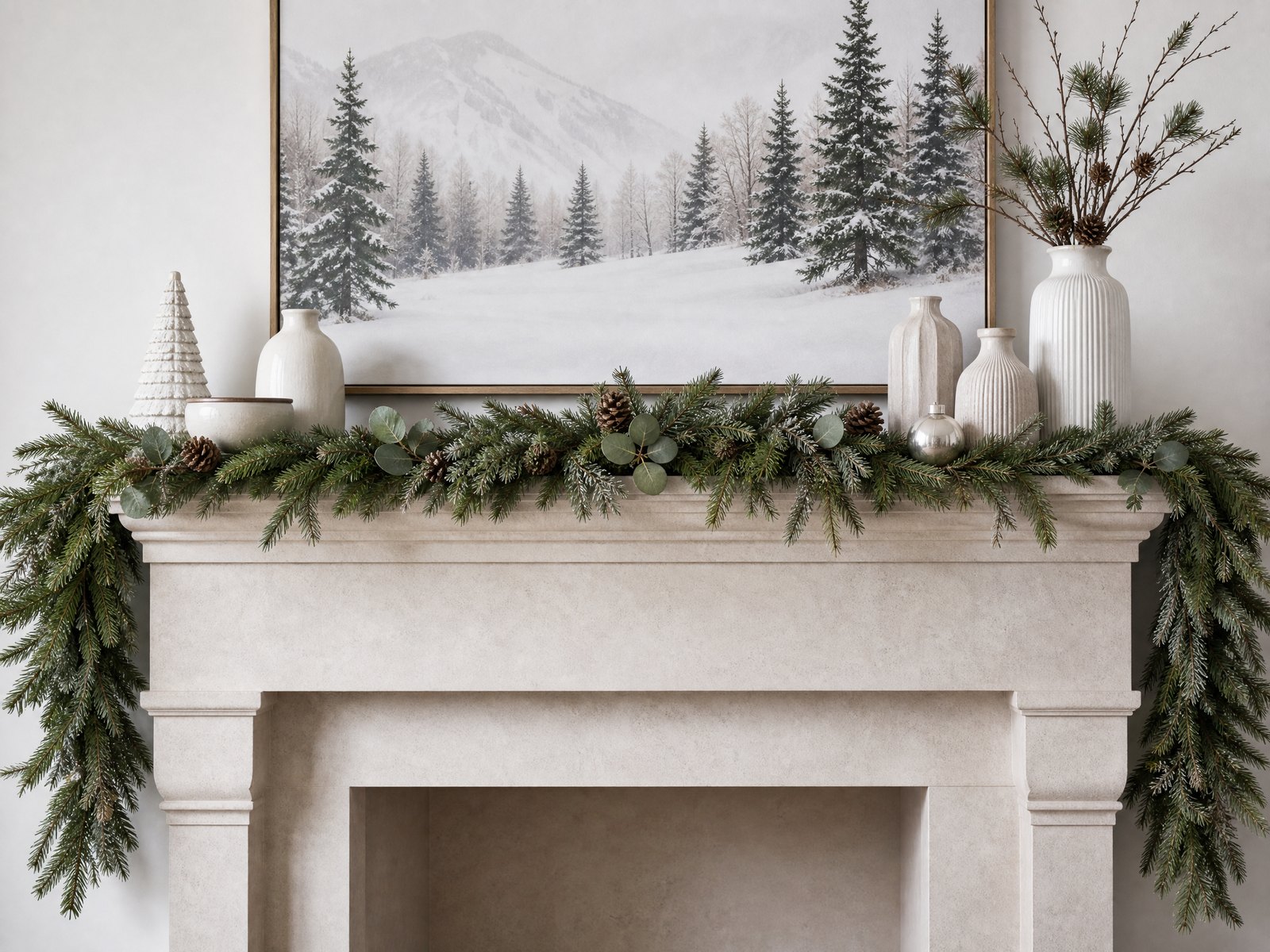
Height is what gives a mantel display energy. Work in stepping heights — low objects at the base, medium pieces on either side, and taller elements flanking or rising behind the anchor — to draw the eye upward without making the composition top-heavy. Group items in odd numbers for a more natural look and vary the plane of objects by placing some closer to the wall and others toward the front edge of the mantel to add depth.
Be deliberate about balance: you can mirror similar heights on each side for a formal feel or counterbalance a large central anchor with a vertical cluster at one end. Avoid stacking fragile items in a narrow vertical column directly above any heat source or opening, and ensure taller pieces are secure so they won’t shift if someone brushes past the mantel.
3. Stick to a Restrained Color Story
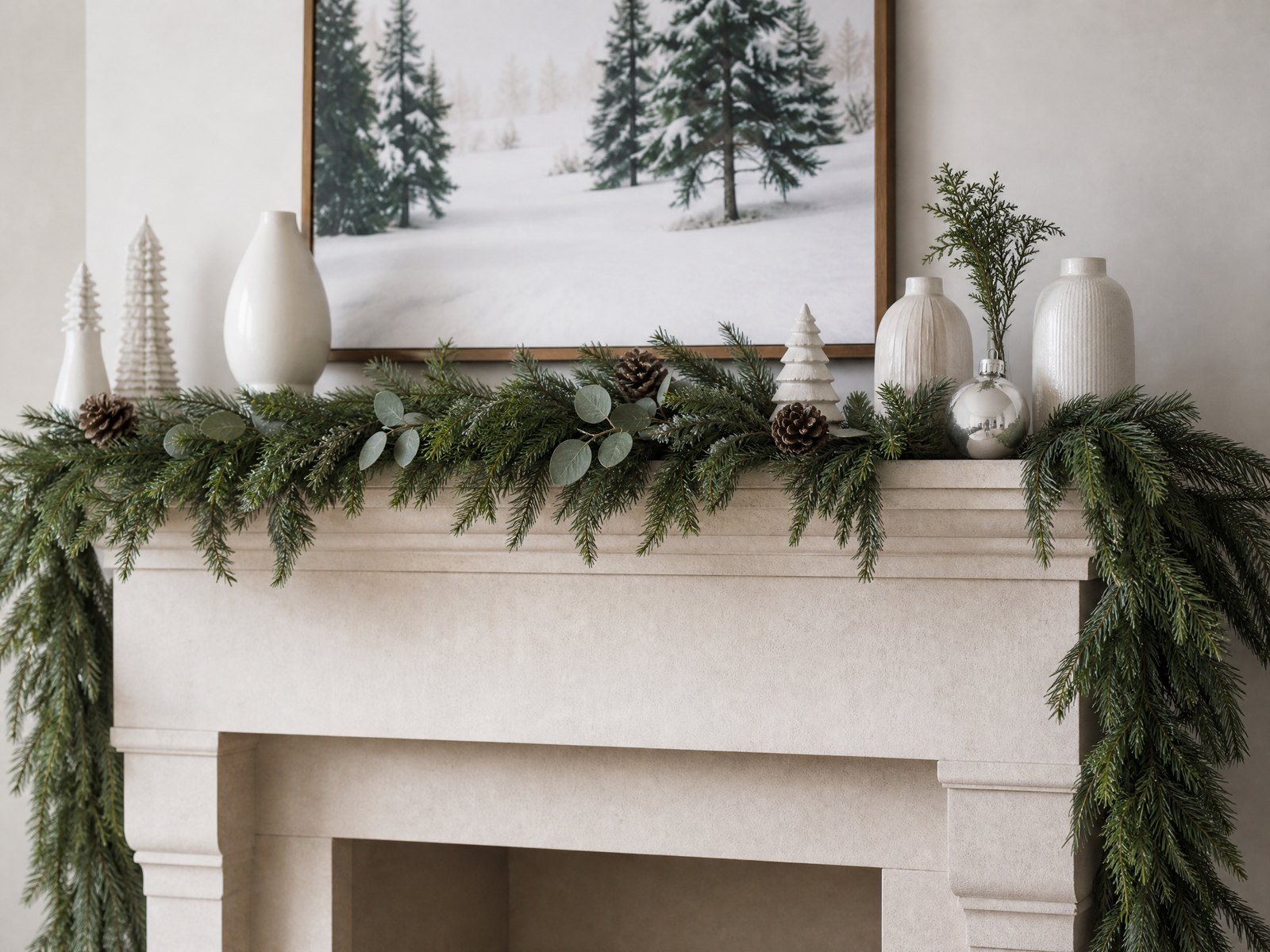
A limited palette makes a holiday mantel feel sophisticated rather than busy. Choose two or three main colors and anchor them with neutrals — for example, a classic neutral base with a metallic accent and one stronger seasonal color. Repeat those tones across different materials (glass, ceramic, foliage) so the arrangement reads as intentional. A cohesive palette also allows small pops — a ribbon, a bauble, or a sprig — to have maximum impact.
Consider the room’s existing finishes and fabrics when selecting colors so the mantel complements rather than competes with the surrounding decor. Keep bright, reflective finishes to a minimum if you want a softer, more understated look: a single metallic accent can lift the scheme without overwhelming it.
4. Place Decorations Well Outside Heat and Openings
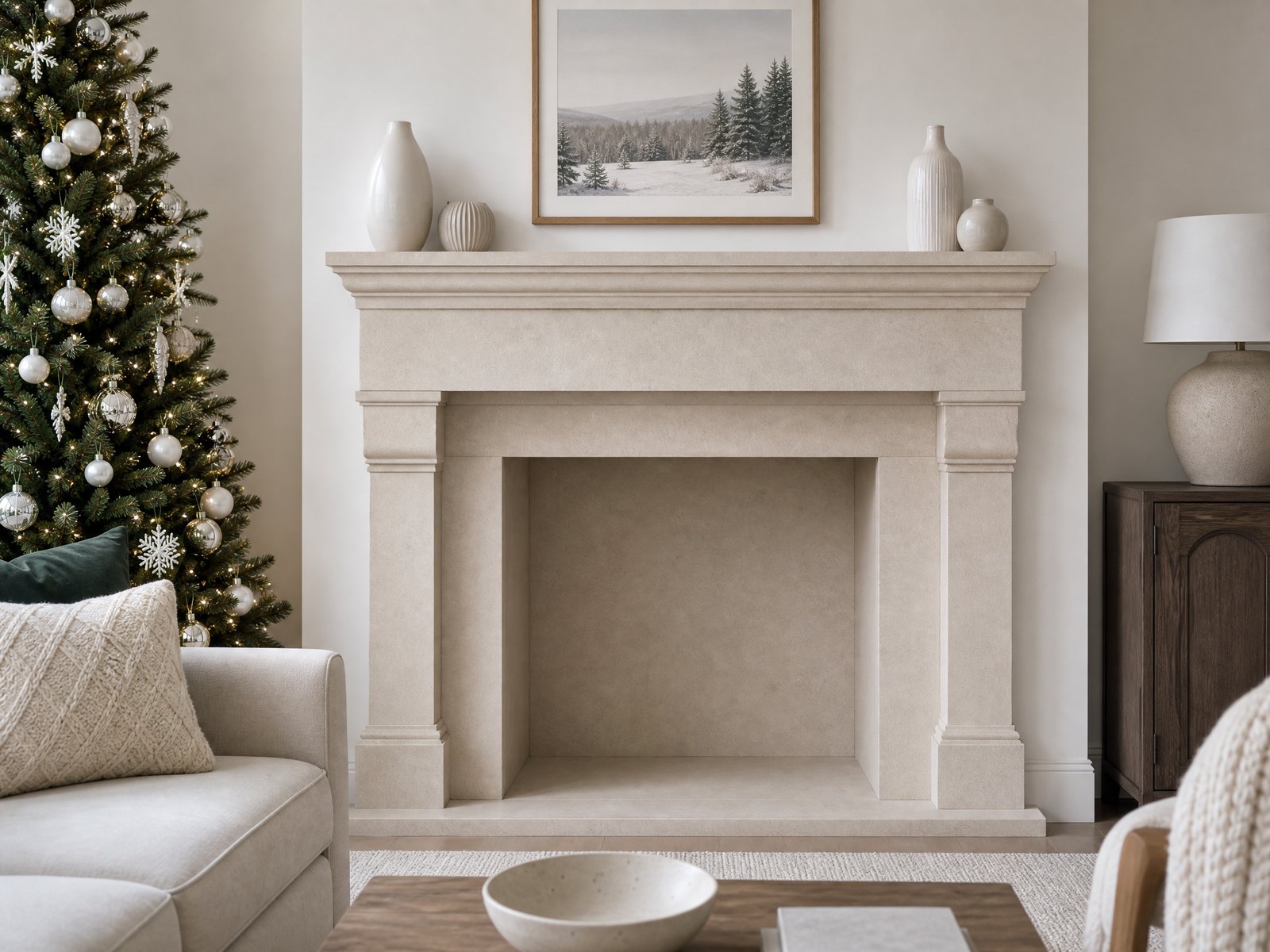
Safety is an essential part of styling: ensure every decorative item sits well beyond the warm zone of the fireplace and clear of the opening itself. Keep ornaments, wrapped greenery, paper elements, and any lightweight compositions at a safe distance where they won’t be exposed to rising heat, sparks, or drafts. If your fireplace has a working wood or gas fire, assume the area directly above and in front will become hot and plan placements accordingly.
As a practical rule, avoid positioning flammable or heat-sensitive pieces on the mantel shelf directly over the firebox; use the outer edges of the mantel or wall-mounted arrangements instead. Double-check stability for items near the edge so nothing accidentally slides toward the hearth, and never block vents, dampers, or the fireplace opening — clearances protect both your decor and your home.
5. Favor Battery-Powered Lights and Safe Illumination
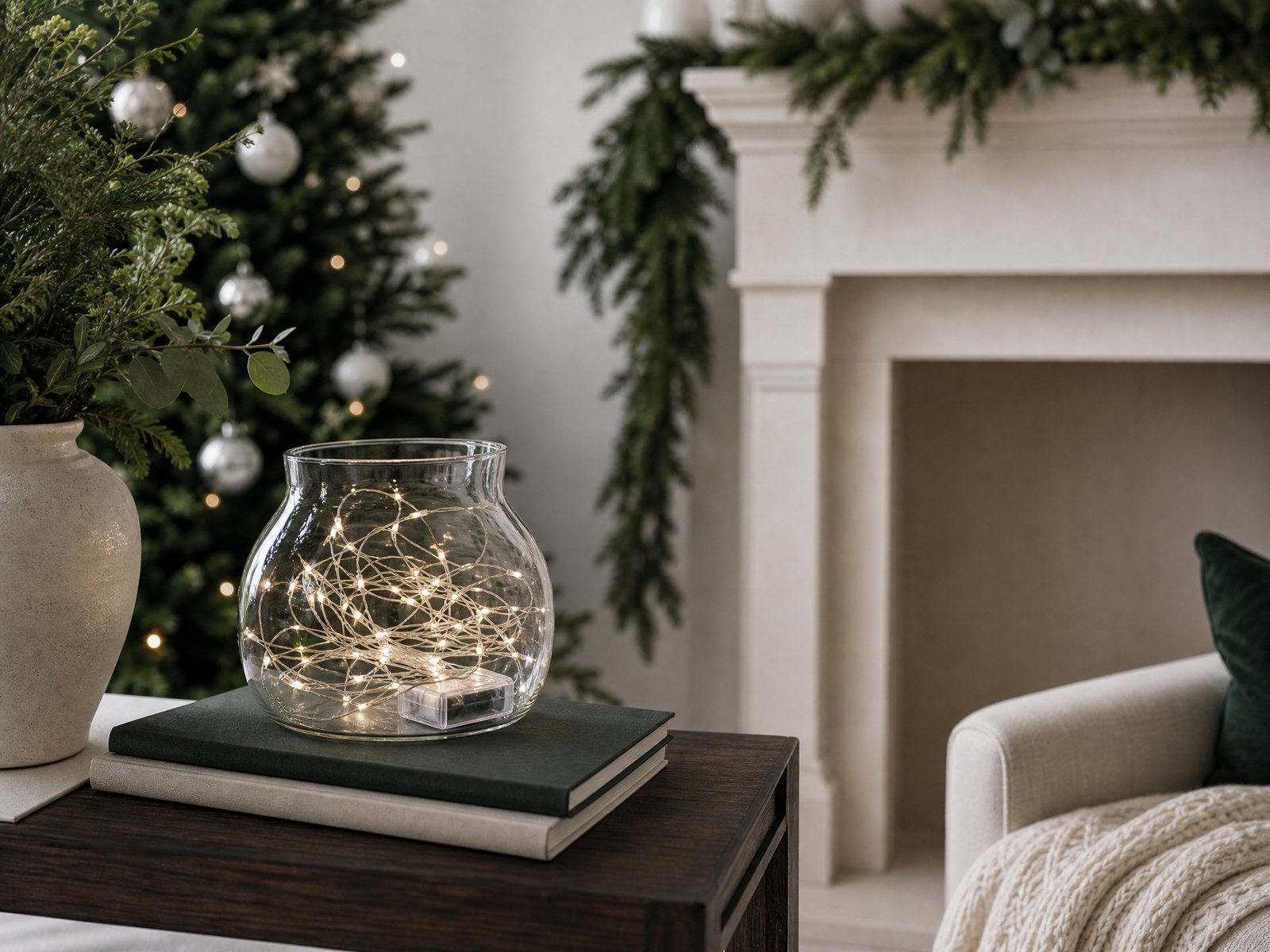
Choose battery-operated LED lights over anything that requires a naked flame. Many battery lights now have warm color temperatures and dimming or timer functions that mimic candlelight without the risk. Tuck slim light strings behind garlands, around the anchor, or woven through secure greenery, but keep control boxes and batteries outside of any heat zone so they aren’t exposed to elevated temperatures.
Avoid using or promoting open-flame candles on or above the mantel. If you want the flicker of candlelight, use electric or battery-operated flame-effect lights that are specifically designed for indoor decorative use. These give the ambiance without instructions or practices that could create dangerous situations.
6. Use Soft Textiles Away from the Fire Zone
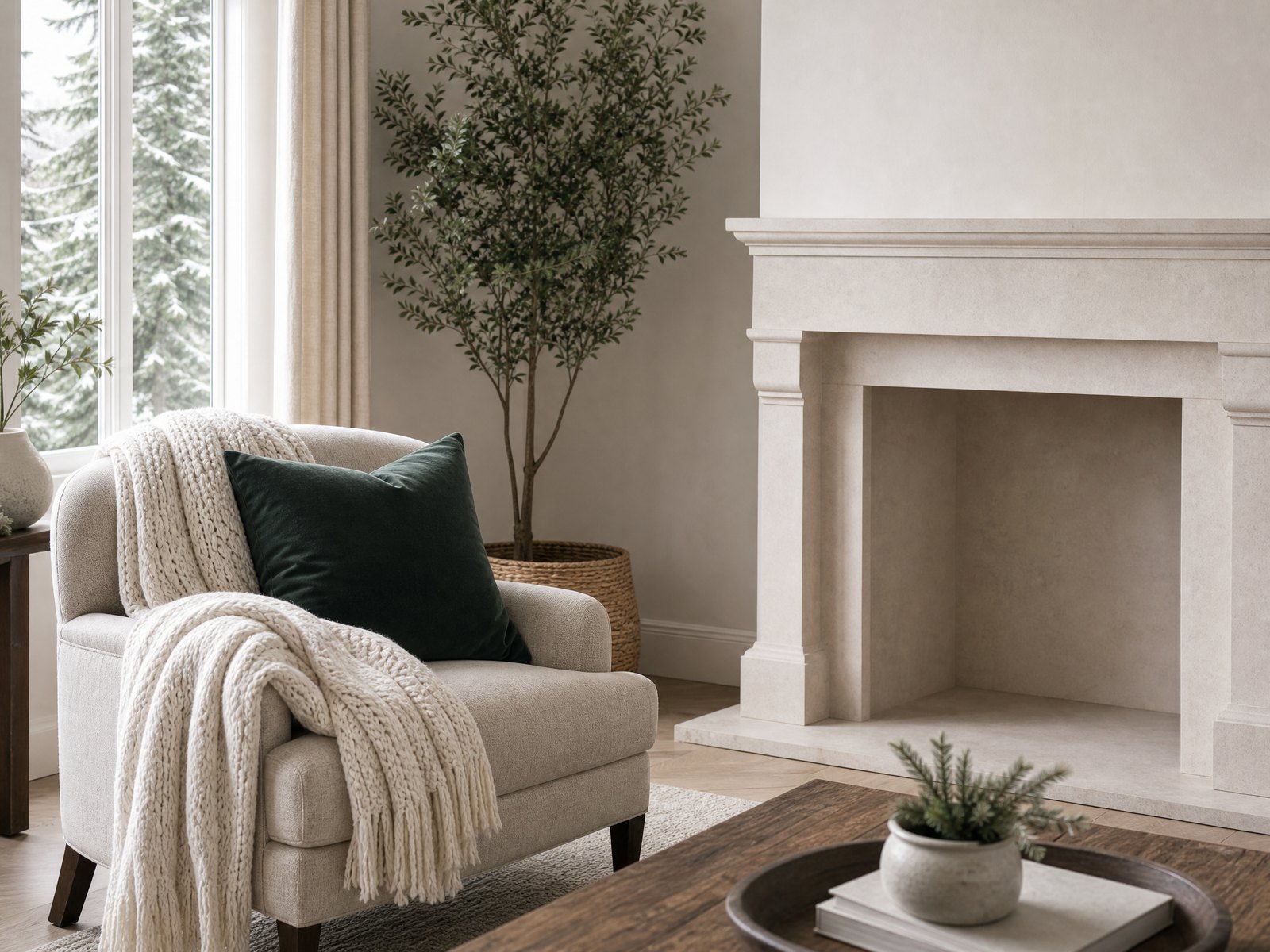
Soft items — stockings, fabric garlands, piled throws draped nearby — add warmth and a lived-in feel, but they must be positioned well away from heat. Hang stockings from hooks or holders set at the far edges of the mantel or from adjacent trim rather than draping them over the fireplace opening. Keep throws and cushions on nearby seating rather than on the hearth itself; fabrics will dry and become more flammable over time, so keeping them distant reduces risk.
Choose durable, machine-washable textiles that are easy to launder after the season. Consider substitutes like wool or performance blends that resist dust and hold into shape; regardless of material, maintain a comfortable clearance from any working fire and avoid letting fabrics overhang where they could be knocked into the hearth.
7. Introduce Natural Texture Thoughtfully
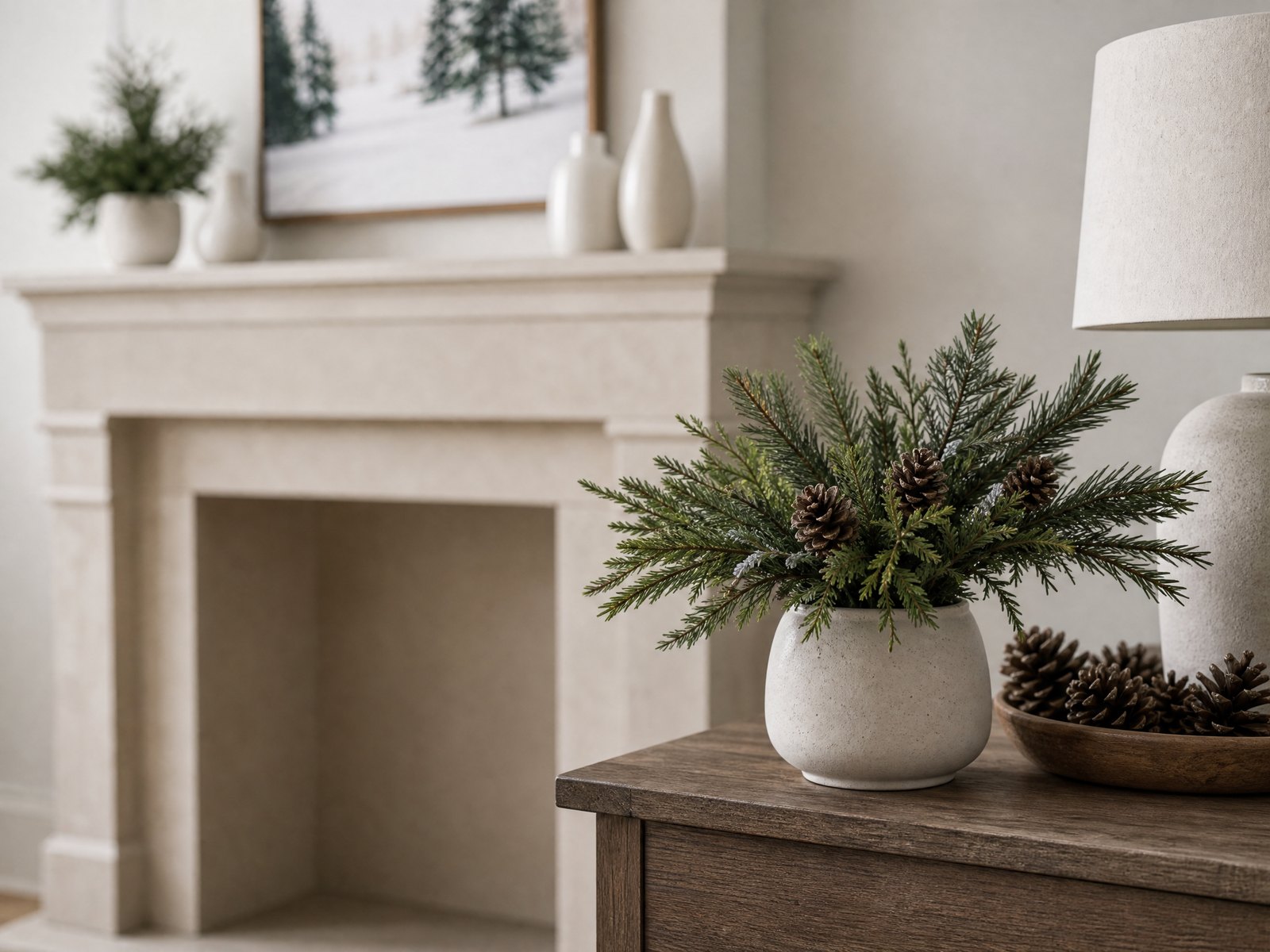
Natural elements — sprigs of evergreen, pinecones, dried fruit or branches — bring seasonal scent and texture, but they also require careful placement. Because organic materials can dry out and become more combustible, position them away from heat sources and keep them from leaning into or above the firebox. Use small groupings rather than long, continuous swags directly over the hearth, and replace any foliage that looks brittle or overly dry.
Treat gathered materials thoughtfully: de-pest, dust off, and consider sealing delicate items if you plan to reuse them year after year. When in doubt, display natural textures in glass or ceramic vessels set on the mantel’s outer edges or on nearby surfaces where they won’t be impacted by heat.
8. Reset and Store with Care After the Holidays
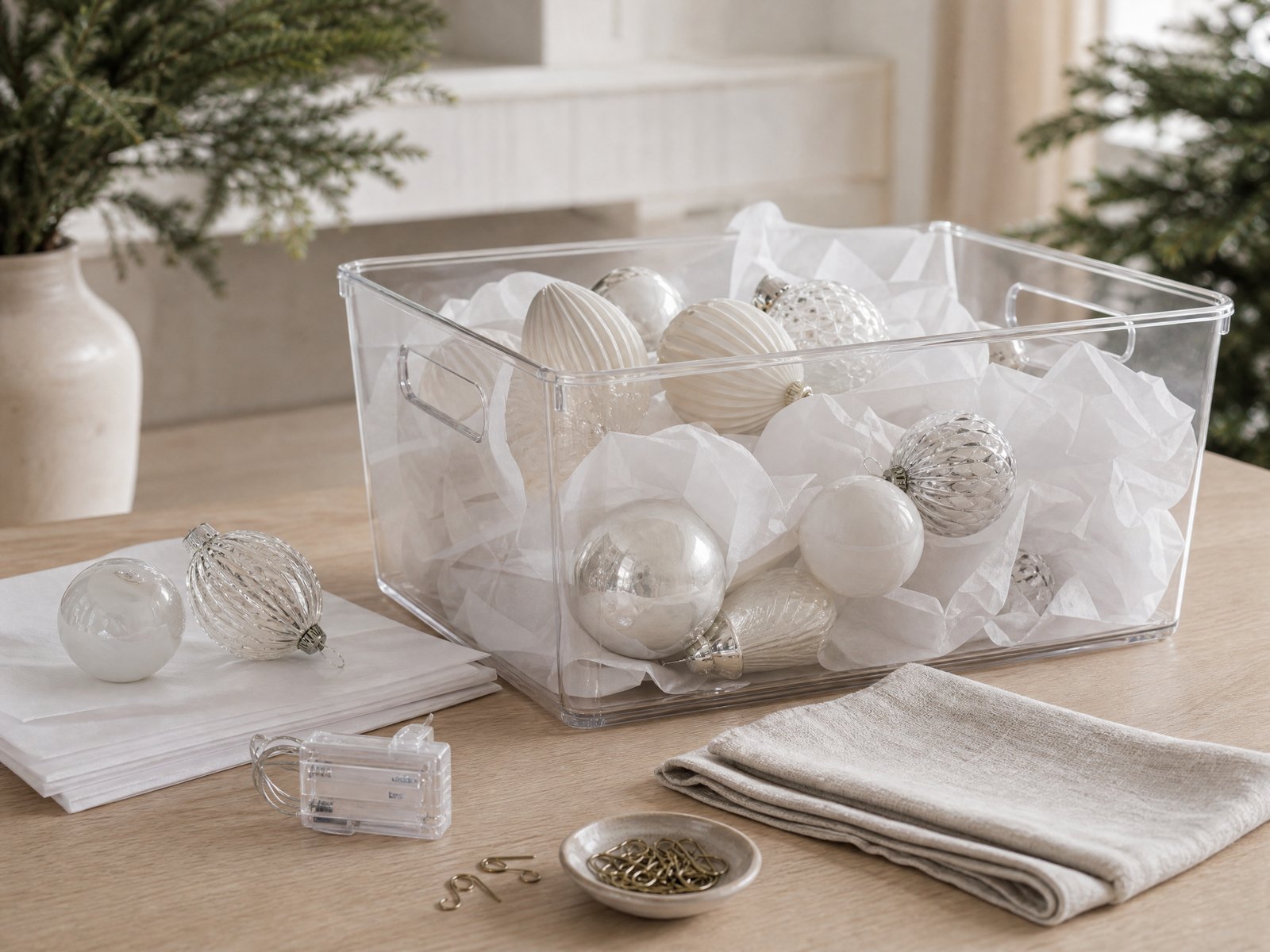
A simple post-holiday routine preserves both your decor and the mantel’s condition. Remove batteries from lights, check cords and fittings, and inspect items that were near warmth for any signs of heat damage or discoloration. Clean surfaces thoroughly before putting pieces away so dust and soot don’t accumulate in storage, and allow any natural materials to fully dry out before packing to prevent mold or pest issues.
Use labeled, sturdy storage containers and soft padding for fragile ornaments, and keep a small kit of replacement batteries and spare hooks in your holiday supplies so the mantel can be refreshed quickly next year. Resetting thoughtfully at season’s end makes future decorating faster and keeps both your display and your home in good repair.
Final Thoughts
A well-styled Christmas mantel combines a clear design strategy with practical safety choices. By committing to one anchor, mindful layering, a restrained palette, and careful placement of lights, textiles, and natural materials, you’ll create a festive focal point that looks polished and protects your home. When the season ends, an orderly reset will keep everything ready for another year of safe, stylish decorating.