Smart, Flexible Ways for College Students to Earn Extra Cash — No Experience Needed
College life is a balancing act: classes, friends, and the occasional budget scramble. Fortunately, the online gig economy makes it possible to earn meaningful pocket money without years of experience. The options below focus on flexible work you can do around a class schedule, how to find legitimate opportunities, and practical ways to blend small gigs into a steady side income while sharpening marketable skills.
1. How to Find Legitimate, Flexible Online Gigs

Start by treating the search like a mini job hunt: create a simple profile, keep a dedicated inbox for applications, and collect a few short work samples or screenshots. Use your university career center and student groups to spot local or alumni-posted opportunities, and cross-check platform reviews before committing. Favor sites and clients with clear payment methods and verified feedback rather than offers that require upfront fees. Practical example: build a one-page portfolio with two sample edits or a mock social post, email it to three small businesses, and apply to a couple of trusted freelance marketplaces to compare response rates.
2. Online Jobs That Fit a Student Schedule
A range of low-barrier online roles can fit between classes and study sessions: paid surveys and focus groups, tutoring in subjects you already know, freelance writing or proofreading, microtasks like website testing or captioning, and creative gigs like selling printables or short ebooks. To get started, pick one or two that match your strengths and build a tiny sample library—five short tutoring sessions, a 500-word article, or a sample captioned clip. Practical example: if you enjoy reading, offer proofreading for campus publications; if you’re social-media savvy, manage a small shop’s Instagram for a trial month and document results to show future clients.
3. Mix and Match Gigs for Reliable Side Income
Rather than betting on a single source of earnings, combine fast-turnaround tasks with higher-effort projects. Pair quick activities—surveys, short website tests, or captioning assignments—with scheduled work such as weekly tutoring or freelance articles. That way, short tasks cover immediate needs while bigger projects grow your portfolio and pay less frequently. Practical example: block 30–60 minutes each weekday for microtasks and keep two evenings free for scheduled tutoring; use a shared calendar to avoid conflicts and set priorities when a deadline lands during finals week.
4. Build Skills, Protect Your Time, and Stay Safe
Treat side work as professional development: hone time management with techniques like time-blocking or short work sprints, and invest a little effort into upskilling through free or low-cost online courses. Keep records of hours and payments, separate your side-hustle earnings into a distinct account, and always confirm client payment details before starting work. Be alert for red flags—requests to pay to apply, vague job descriptions, or pressure to share sensitive personal information. Practical example: take a short course on copyediting or social media analytics, use a spreadsheet to log gigs and invoices, and require payment via a reputable platform or direct deposit.
5. In-Person Options That Complement an Online Hustle

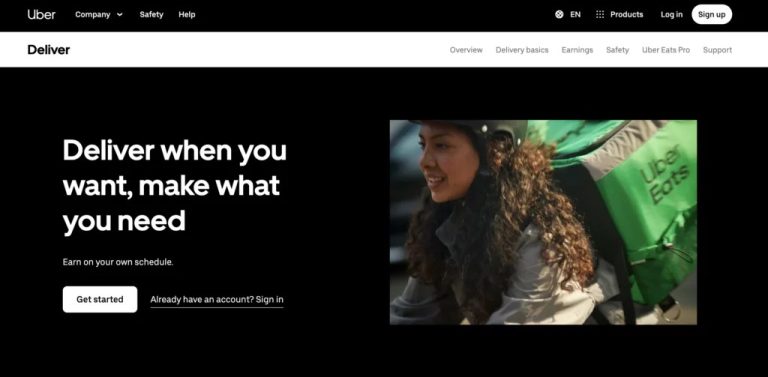
If you want occasional in-person work, consider flexible tasks that slot around classes: local deliveries, running errands, babysitting, campus event staffing, or flipping thrift finds for resale. These gigs can be scheduled during evenings or weekends and paired with online work for a balanced income stream. Practical example: scout thrift stores for items with clear resale demand, photograph and list them on a marketplace during slow study days, then schedule deliveries or pickups on weekends; or pick a few evening shifts delivering food to boost income during high-demand hours.
Earning while you learn is about balance and strategy: pick a few gigs that match your strengths, protect your study time, and treat each assignment as a chance to build skills that will outlast college. Start small, stay selective, and the side income will become both steady and rewarding.