Smart Side Work: How to Choose and Succeed in the Gig Economy
Whether you’re topping up a paycheck or building a new income stream, the gig economy offers flexible ways to earn. Below you’ll find a practical roadmap that explains what gig work is, which opportunities suit different rhythms and skills, how to find gigs, and how to manage them so they actually support your life.
1. What gig work looks like now
Gig work today means short-term, project-based or on-demand tasks arranged through digital platforms. Instead of a single employer, gig workers often operate as independent contractors who choose when and how much they work. That arrangement brings freedom — like shifting a delivery block into your evening — but it also means you’re responsible for your benefits, scheduling and taxes. Practical examples include accepting a weekend food delivery shift, listing a spare room for short stays, or picking up a one-off web design project. Think of gig work as modular: you can stack several small roles to meet income and lifestyle goals while keeping control over your calendar.
2. Everyday side hustles you can start this week
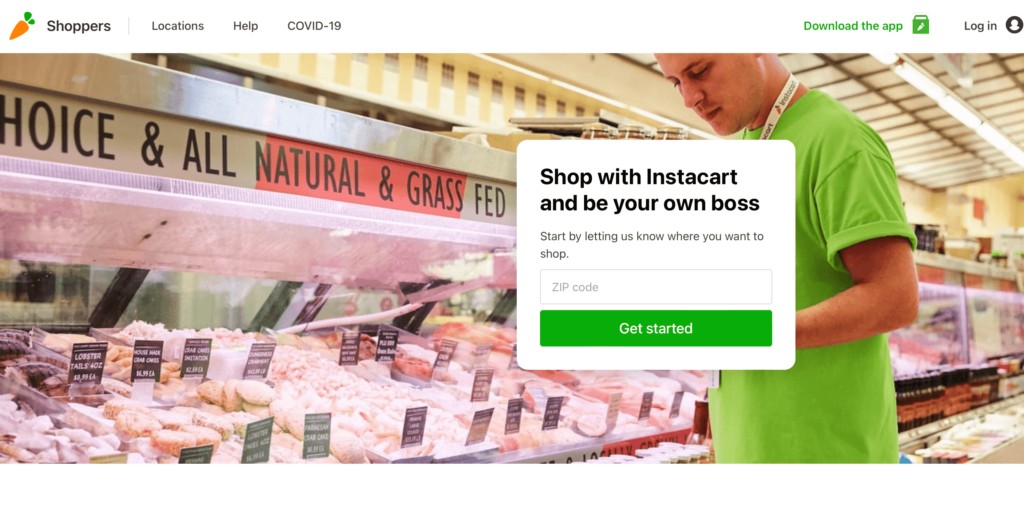
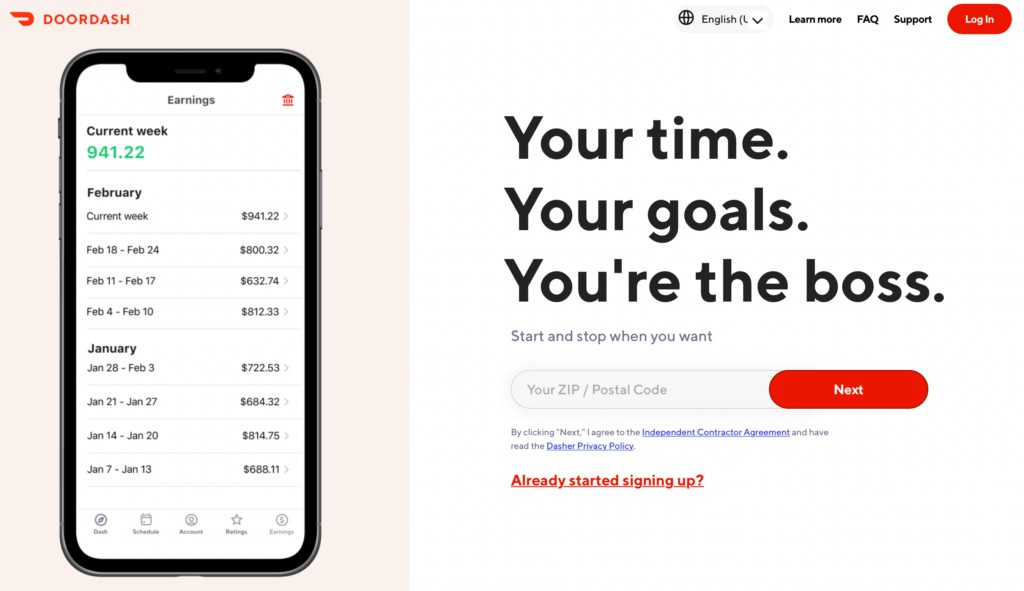
There are many accessible gigs you can launch quickly with minimal setup. Local delivery, grocery shopping, pet care, house-sitting and short-term rentals are common starting points because they usually require only a background check, a smartphone and basic equipment. For hands-on tasks, Task-style platforms connect you to furniture assembly or yard work; for peer-to-peer rentals you can list a car, tools or outdoor gear on specialty apps. Practical moves: block peak hours on your calendar for deliveries, carry an insulated bag and phone charger for runs, and photograph items or spaces clearly when listing rentals. Test one or two to find what fits your energy and schedule.
3. Skilled gigs that can scale into full-time work
If you have a marketable skill, gig platforms can turn that into a stable income stream. Teaching, web development, graphic design, copyediting, virtual assistance and photography are examples that can begin as occasional projects and expand into repeat clients or retainer work. Practical steps include building a focused portfolio, offering a few starter packages, collecting client testimonials and specializing in a niche—like landing-page design for small retailers or LinkedIn profiles for mid-career professionals. Over time, you can raise rates, automate onboarding, and shift from one-off tasks to longer-term contracts that look and feel more like steady work while keeping the flexibility you value.
4. How to find gigs: pick platforms that match your goals

Apps and marketplaces make it easier to match supply and demand, but choosing the right ones matters. Generalist platforms are great for testing services and building a profile, while niche sites connect specialized skills to higher-value clients. Practical examples: create clear, searchable profiles with service packages and turnaround times, respond quickly to new postings to improve selection odds, and use platform tools like scheduling and income trackers to plan your week. Also, spread your presence across two or three reputable platforms so you don’t miss opportunities; be consistent with profile photos, sample work and pricing so potential clients recognize your brand.
5. Practical money and time habits for gig workers
Being your own boss means managing irregular cash flow and multiple small expenses. Track every job’s hours and related costs in a simple spreadsheet or money-management app so you can see which gigs are actually profitable after travel and supplies. Reserve a percentage of each payment in a separate savings account for taxes and periodic business expenses. Time-wise, block recurring hours for high-value activities—client outreach, portfolio updates, skill refreshes—so gig work doesn’t creep into family time. Try short experiments with different gigs for a few weeks each, then keep the ones that balance earnings, enjoyment and effort.
6. Turning short gigs into a resilient income plan
Think of gig work as a diversified income portfolio you can adjust as circumstances change. Start small, test multiple types of work, and build on what resonates and pays reliably. For example, pair weekend delivery shifts with weekday freelance assignments, or combine short-term rentals with occasional house-sitting to smooth cash flow. Invest in skills that increase demand for your services and in small tools that boost efficiency—good lighting for photography, or a basic toolkit for handiwork. Regularly evaluate what’s sustainable, and aim to convert repeat clients into predictable bookings so your gig stack supports both short-term needs and longer-term goals.
Gig work can be flexible, creative and practical when approached with planning. Start with one or two manageable opportunities, track what matters, and let steady habits and selective specialization turn side work into dependable support for your financial life.
