Turn Unused Internet and Idle Computers into Low-Effort Side Income

If you have a reliable home connection and a spare device, there are straightforward ways to earn modest, mostly passive income by sharing bandwidth or unused computing power. Below is a clear, practical guide that explains how these services work, where to start, and how to protect yourself while you experiment.
1. How the concept actually works—and what you run in the background
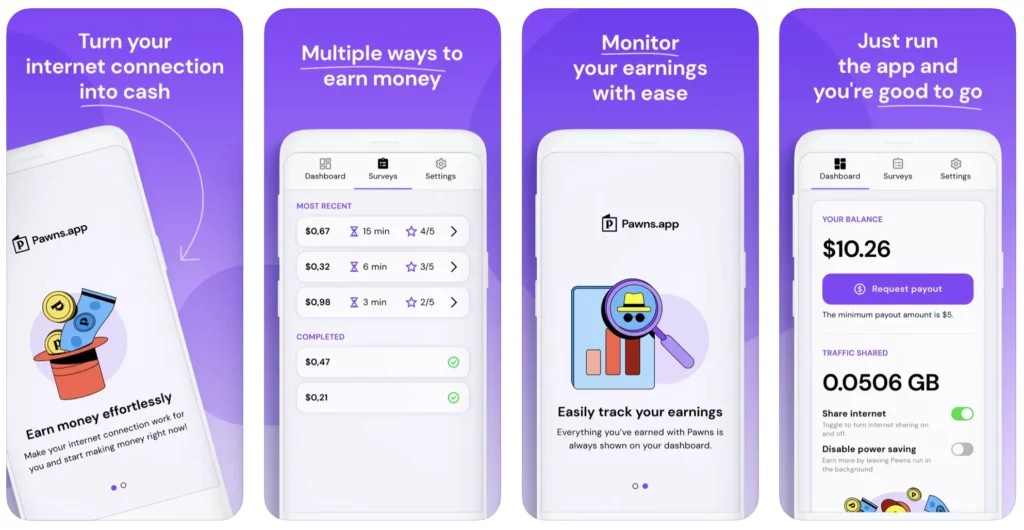
These platforms let you route small amounts of internet traffic from their customers through your home connection so clients can appear to be browsing from your location. To participate you typically sign up, install a lightweight app or agent on a computer, phone, or single-board device, and permit the app to use your connection. Traffic is measured and you’re paid based on how much data is relayed. A common setup is to use a spare laptop, an old phone tethered to Wi‑Fi, or a Raspberry Pi attached to your router; the software usually runs in the background and consumes only a portion of bandwidth while you continue normal online activities.
2. What to expect from earnings and whether it fits your goals
This is a supplemental income idea rather than a full-time replacement. Results vary by location, number of devices and how many services you run simultaneously. Think of it as a way to offset small monthly bills or pay for occasional subscriptions rather than reliable salary. If you need quick, high pay, active gig work will typically outperform these background services. On the upside, once installed these systems usually require little attention. If you’re curious, start small: run one app for a few weeks, track how much data is used, and compare that to any changes in your internet bill or usage patterns.
3. Where to start: mainstream apps and how to set them up
A number of mainstream services offer user-friendly apps for desktop and mobile platforms. The basic setup is consistent: create an account, install the app on a device you can leave online, and confirm payout details. Practical steps: pick one reputable app, install it on a spare Windows PC or Android device, and let it run for several nights to gather baseline data. If you try more than one provider, use different devices or stagger run times so your own browsing isn’t affected. Always read each provider’s terms around residential versus data‑center IPs and confirm payout methods before you invest time.
4. Options that pay in cryptocurrencies—and extra things to consider
Some decentralized networks reward bandwidth sharing with crypto tokens instead of traditional payouts. Participation can be as simple as running a node application on a computer or using a dedicated router device. If you’re comfortable with wallets, transaction fees, and volatility, you can experiment with these projects—just plan for extra learning and occasional maintenance. Practical tips: run a node on a secondary machine, secure a private wallet where you control keys, and test small withdrawals so you understand the process. Remember crypto rewards can fluctuate, so treat these as experimental and avoid relying on their value for recurring expenses.
5. Selling unused computing power as an alternative income stream

Beyond bandwidth, some platforms pay to use spare CPU cycles for tasks like distributed processing or simulations. These apps install on a Windows PC and queue small jobs that run without blocking your work. Use an older desktop or an extra laptop to avoid performance impacts on machines you rely on. Practical setup: ensure your device meets minimum RAM and storage requirements, run tasks during idle hours or overnight, and monitor system temperature and responsiveness. If you have multiple computers, connect them to the same account to scale earnings, and keep backups of important files in case you need to reinstall software.
6. Practical safeguards and smart habits before you switch on the apps
Protect yourself by taking a few simple precautions. First, check your internet provider’s terms so you’re not violating service rules. Use older hardware or a dedicated device to lower security risks and wear on your daily driver. Monitor data usage to prevent throttling or overage charges, and set payout thresholds so earnings are converted regularly. Disable battery and memory optimizations on Android devices if an app recommends it, but only after verifying the source. Finally, keep a log of which apps run on which device and stagger services to avoid simultaneous heavy loads that could affect household internet performance.
If you’re curious and cautious, sharing unused bandwidth or idle computing time can be a low-effort way to bring in extra cash. Start small, protect your devices and privacy, and treat any earnings as a helpful supplement rather than dependable income.