Turn Your Voice Into Income: A Beginner’s Guide to Doing Voice-Over Work from Home
You hear professional voice work more often than you realize — in apps, videos, phone systems and stories. If friends tell you your voice stands out, that can be the starting point for a flexible side hustle or a new career. This guide breaks the basics into practical steps: where voice work appears, how to prepare, where to find gigs, how to price your work, answers to common questions, and ways to make voice work fit your life. Read on for actionable examples you can try this week.
1. Everyday Places Your Voice Can Work
Voice-over work is used across many formats you interact with daily: narrations for short videos, characters in animations, automated phone greetings, podcast intros, and audiobook chapters. Think in terms of function — is the goal to inform, entertain, or guide? For example, a local dentist might pay for a friendly on-hold message; an independent game developer may need character reads for a weekend prototype; a non-profit could commission a calm narrator for a fundraising video. Identifying these contexts helps you match your vocal strengths (warm and reassuring, animated and quirky, clear and authoritative) to the kinds of projects most likely to hire a beginning talent.
2. Build Your Booth, Your Brand, and Your Demo
Getting started requires more than a pleasant voice: create a small, quiet recording space, learn basic editing, and prepare short samples that showcase range. A closet lined with blankets can reduce echo; free audio software lets you trim breaths and balance levels. Record a one- to two-minute demo that highlights a few tones — a warm narration, a brisk commercial read, and a playful character line — then save versions tailored to different opportunities. Promote yourself with a simple website or a profile on a freelance platform and join online communities to exchange feedback. Practical example: spend an afternoon recording three short clips, edit them into a single demo, then ask peers for critique before posting.
3. Where to Look: Marketplaces, Agencies and Niche Hubs
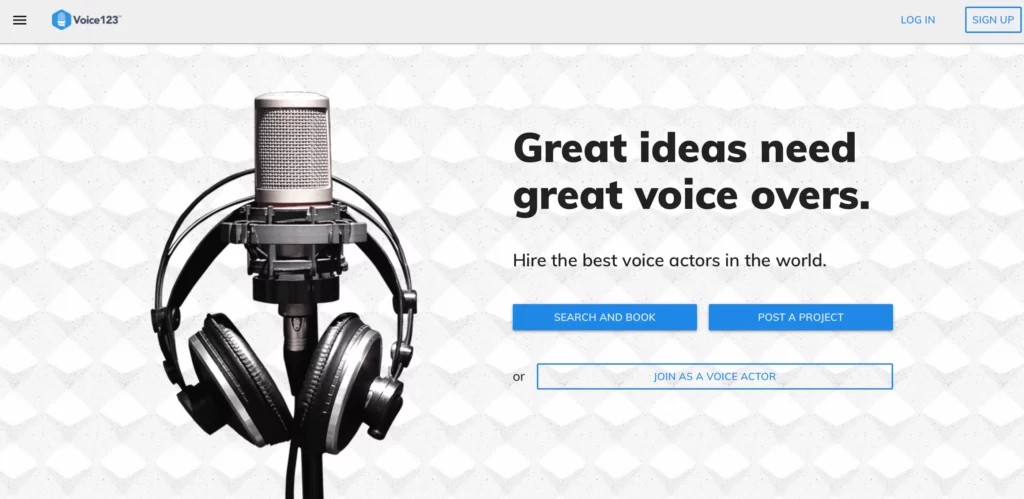
Jobs arrive through several channels, each with pros and cons: general freelancer marketplaces, casting platforms that specialize in voice work, agency rosters, and direct outreach to production companies or authors. For example, a marketplace lets you bid on lots of small projects and build reviews quickly; casting platforms connect you with producers seeking specific vocal types; agencies can offer higher-quality contracts but often require a strong demo and studio setup. Also consider niche hubs like audiobook production sites or animation forums where creators post auditions. Practical approach: create profiles where appropriate, tailor your demo to the platform’s typical clients, and track outreach so you can refine where you spend time.
4. How to Price Yourself and Grow Earnings
Compensation in voice work varies with format, experience and the client. Projects are commonly priced per finished minute, per word, per session, or as a flat fee. As a beginner, set entry-level rates that reflect the time you spend recording and editing, then raise fees as your portfolio and client feedback grow. Create tiered packages — a basic short commercial, a standard narration with light editing, and a premium offering with full post-production — so clients see clear choices. Example: offer a discounted introductory rate for first-time clients in exchange for a testimonial, then standardize your pricing once you have several positive references.
5. Answers to the Questions Beginners Ask
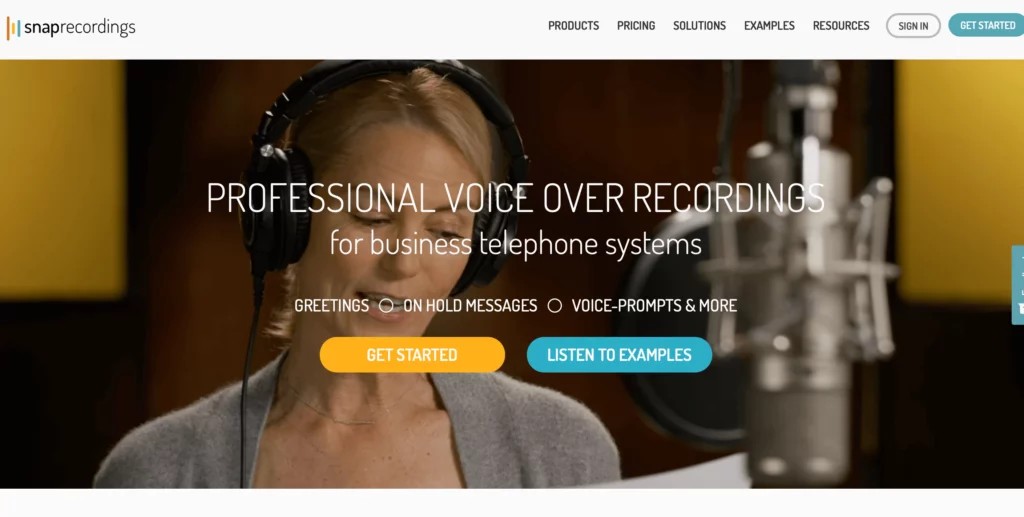
Newcomers worry about competition, technology changes, and qualification. You don’t need a degree to start; demonstrable samples and consistent improvement speak louder than credentials. AI tools are expanding the market, but many projects still need human nuance, and some creators prefer live direction or character work that technology can’t replicate. The quickest path often combines taking small paid gigs to build feedback, practicing specific niches (like narration or IVR messages), and participating in community forums for audition notices. Practical tip: prepare a short, polished sample tailored to the most common gigs you want and use it when applying — it increases your chance of being considered.
6. Making Voice Work Fit Your Life
Voice-over gigs can be flexible, fitting around other commitments as a side income or scaling up into full-time work. Structure your week with designated recording and marketing blocks: one session for auditions, another for client work and a weekly hour for skill practice and networking. Practical examples include batching recordings for multiple short projects to reduce setup time, scheduling client calls during low-noise hours, and setting clear delivery windows so you can manage deadlines. Over time, regular clients and better demos will reduce the need to pitch constantly, letting you focus on higher-quality projects that match your preferred schedule and vocal strengths.
If your voice has personality and you’re willing to practice, set up a simple workspace, and share focused samples, you can begin booking paid voice work from home. Start small, learn the tools, be consistent about where and how you apply, and let client feedback guide your next steps. With persistence and a few professional habits, voice work can become a creative and reliable income stream.