Where to Learn Lucrative Skills for Free: 11 Top Sites and How to Use Them
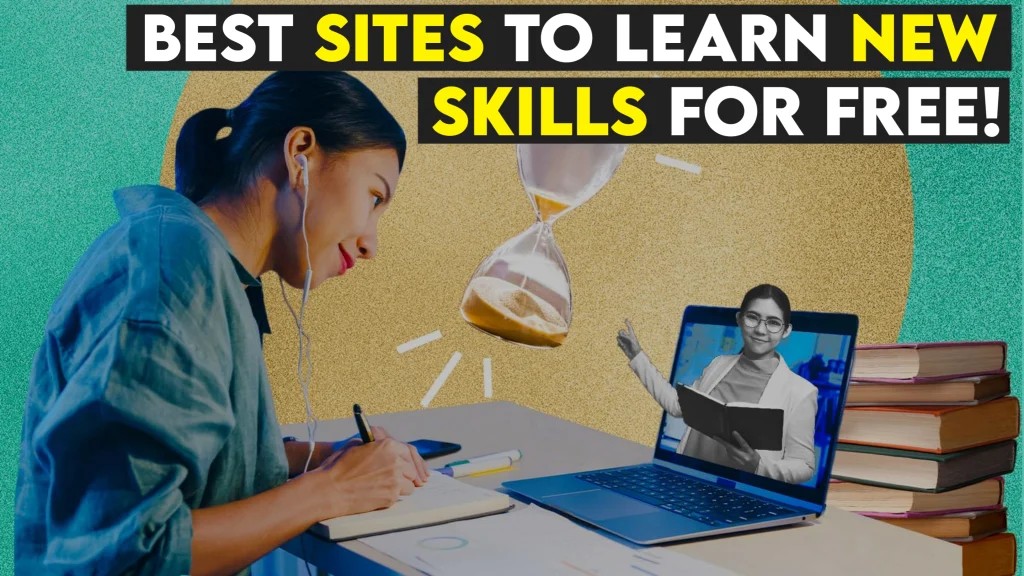
Looking to build a practical, high-value skill without breaking the bank? There are many reputable platforms that let you learn technical and creative skills at low or no cost. Choosing the right site and using it strategically will get you farther, faster, than simply binge-watching random videos.
This guide highlights eleven well-established learning platforms and explains how to get the most from each one — what they do best, how to structure your learning, and common pitfalls to avoid. Use this as a shortlist to match the platform to your goals and then make a simple plan to apply what you learn.
Before you dive into any single course, decide on a small project or outcome you want to achieve (a portfolio piece, a simple website, a marketing campaign). Learning with an immediate, measurable objective helps turns knowledge into income-generating skill much sooner.
1. Structured university-style courses (Coursera)
Coursera partners with major universities and organizations to deliver multi-week courses and professional certificates. These tend to follow a syllabus, include graded assignments or quizzes, and often offer a verified certificate for a fee. If you want a rigorous, curriculum-driven path—for example, to build a foundational understanding of data science, machine learning, or business analytics—Coursera’s course sequences are a strong option.
How to use it: Pick a single course or a short professional certificate that aligns with your project. Work through weekly modules on a schedule and complete at least one graded assignment or peer review to get feedback. Caution: free access typically excludes graded work and certificates, so if you need assessment or proof of completion, budget for the verified track or collect evidence of completed projects instead.
Ready to Build a Flexible Income Stream?
2. On-demand learning and deep dives (Udemy)
Udemy is a marketplace with thousands of pre-recorded courses across tech, business, creative, and personal-development topics. Its strength is variety and depth: you can often find beginner-to-advanced courses that span a few hours to dozens of hours. Because instructors vary, quality and teaching style differ from course to course—read reviews and sample lectures before committing.
How to use it: Look for courses with high ratings, detailed syllabi, and recent updates. Buy during sales (often steeply discounted) if you want the paid extras, but you can also use free courses to test a topic. After finishing a course, immediately apply the lessons by building a small project and documenting it in a portfolio or GitHub repository. Caution: a long course isn’t automatically better—prioritize practical, project-based lessons.
3. DIY curriculum and video tutorials (YouTube)
YouTube is the largest free video resource and can teach nearly anything—from coding and basic electronics to copywriting and photography. The content is unstructured but vast, which makes it ideal for quick problem-solving, complementary tutorials, and finding multiple perspectives on the same topic.
How to use it: Create or borrow a concise curriculum (for example, a syllabus from a paid course) and search YouTube for each topic in that syllabus. Assemble a playlist so you move through lessons in order. To avoid time-wasting, prioritize creators who show finished projects and provide code, templates, or downloadable resources. Caution: some creators may promote paid services—verify technical claims against documentation or other reputable sources.
4. Career-focused nanodegrees and project work (Udacity)
Udacity focuses on career-ready technical programs—often called nanodegrees—with long-form content, hands-on projects, and mentor support (in paid tracks). Their programs are geared toward data science, AI, cloud computing, and product-management skills that employers value.
How to use it: If you want an intensive, job-oriented path and can commit several weeks or months, Udacity’s project-based courses are useful. Even if you don’t opt for the paid mentorship, examine the project requirements and use them as DIY milestones. Caution: these programs can be time-consuming and costly if you choose the guided track—consider auditing the syllabus and completing projects independently if cost is a constraint.
5. Practical digital skills straight from the company (Grow with Google)
Grow with Google offers short, practical courses focused on digital skills that are broadly useful—think basic data analysis, digital marketing, and productivity tools. Courses are typically concise and designed to help people quickly apply new abilities to job searches, freelancing gigs, or small-business tasks.
How to use it: Start with a short course that addresses an immediate need (for example, basic analytics for a website or Google tools for project management). Complete the exercises and add the certificate or project evidence to your résumé or portfolio. Caution: these courses are intentionally practical and introductory—if you need deep technical knowledge, pair them with longer coursework.
6. Free marketing and sales training with certification (HubSpot Academy)
HubSpot Academy specializes in digital marketing, inbound sales, content strategy, and using HubSpot’s platform. Its courses are free and include certificates that many hiring managers recognize for marketing and customer-success roles.
How to use it: If your goal is marketing, social media, email, or SEO skills, follow a certification path on HubSpot and then build a tangible example—such as a campaign brief, content calendar, or analytics report—to show mastery. Because materials are platform-focused at times, balance HubSpot content with broader strategy resources so you can apply knowledge outside of a single tool. Caution: certificates indicate completion and basic competency but aren’t a substitute for demonstrable results or a portfolio.
7. Short, creative workshops and community classes (Skillshare)
Skillshare is popular for short, project-driven classes in creative and entrepreneurial skills: graphic design, video, photography, freelancing, and more. Lessons are usually bite-sized and taught by practitioners; the platform emphasizes finishing a project rather than long-form theory.
How to use it: Use the free trial to complete a handful of project-based classes that align with a creative portfolio item. Skillshare’s format is ideal for rapid iteration—watch a class, try the project, and post your work to get feedback. Caution: the free window is limited; if you don’t plan to subscribe, save the most relevant classes for the trial period and download or note key resources quickly.
8. Niche creative training and craft-focused courses (Domestika)
Domestika concentrates on creative disciplines—illustration, animation, photography, and design—with high production values and courses taught by practicing creatives. The lessons often include detailed workflows and real-world project steps that translate directly into portfolio pieces.
How to use it: Choose courses taught by professionals whose style you admire and follow the lessons closely to produce a finished project you can showcase. Domestika frequently offers short free courses or deeply discounted paid ones—use those to explore new techniques risk-free. Caution: some courses emphasize aesthetic process over broad technical fundamentals; supplement with more general training if you need transferable technical skills.
9. University-backed online learning (edX)
edX, founded by university partners, provides structured online courses and MicroMasters-style programs from reputable institutions. These are suitable when you want academic rigor and a clear syllabus that builds progressively across weeks or months.
How to use it: Select verified courses if you need a credential, or audit courses for free to learn the content without paying for certification. Treat each course like a university module—schedule study time, complete readings and problem sets, and aim to produce at least one assessed deliverable. Caution: university-style courses can be theory-heavy, so plan side projects to translate concepts into practical skills employers can see.
10. Wide language options and practical life skills (Alison)
Alison offers a broad catalog of short courses in many languages, covering IT, health, business, languages, and practical life skills. It’s a good option if you need accessible, entry-level training available in non-English languages or a quick refresher on fundamentals.
How to use it: Use Alison to build basic knowledge quickly—complete a short course and create a small project or summary document that demonstrates what you learned. Because the platform focuses on accessibility, verify the depth of any course before relying on it for hiring decisions. Caution: certificates on Alison may have different recognition depending on employers and regions; use them alongside project evidence.
11. Short professional modules with university partners (FutureLearn)
FutureLearn collaborates with universities and institutions to deliver short courses and professional certificates. Its courses often include discussion-led learning and step-by-step modules that keep you on a weekly schedule, which helps with consistency and accountability.
How to use it: Enroll in a course that offers a free access period to evaluate the teaching style and workload. Participate in discussions and complete the weekly assessments to internalize concepts. If a paid upgrade is necessary for a certificate or tests, weigh that against the value of producing a concrete project instead. Caution: free tiers sometimes limit access to exams and final materials—plan whether you need the certificate or just the learning.
Free and low-cost learning platforms can accelerate your path to a marketable skill, but the platform itself is only part of the equation. The fastest progress comes from combining structured content with real projects, deadlines, and evidence of work you can show employers or clients.
Choose one platform that fits your learning style, pick a single project to complete, and commit to short, measurable milestones. Over time, a collection of completed projects and practical experience will matter more than certificates alone.