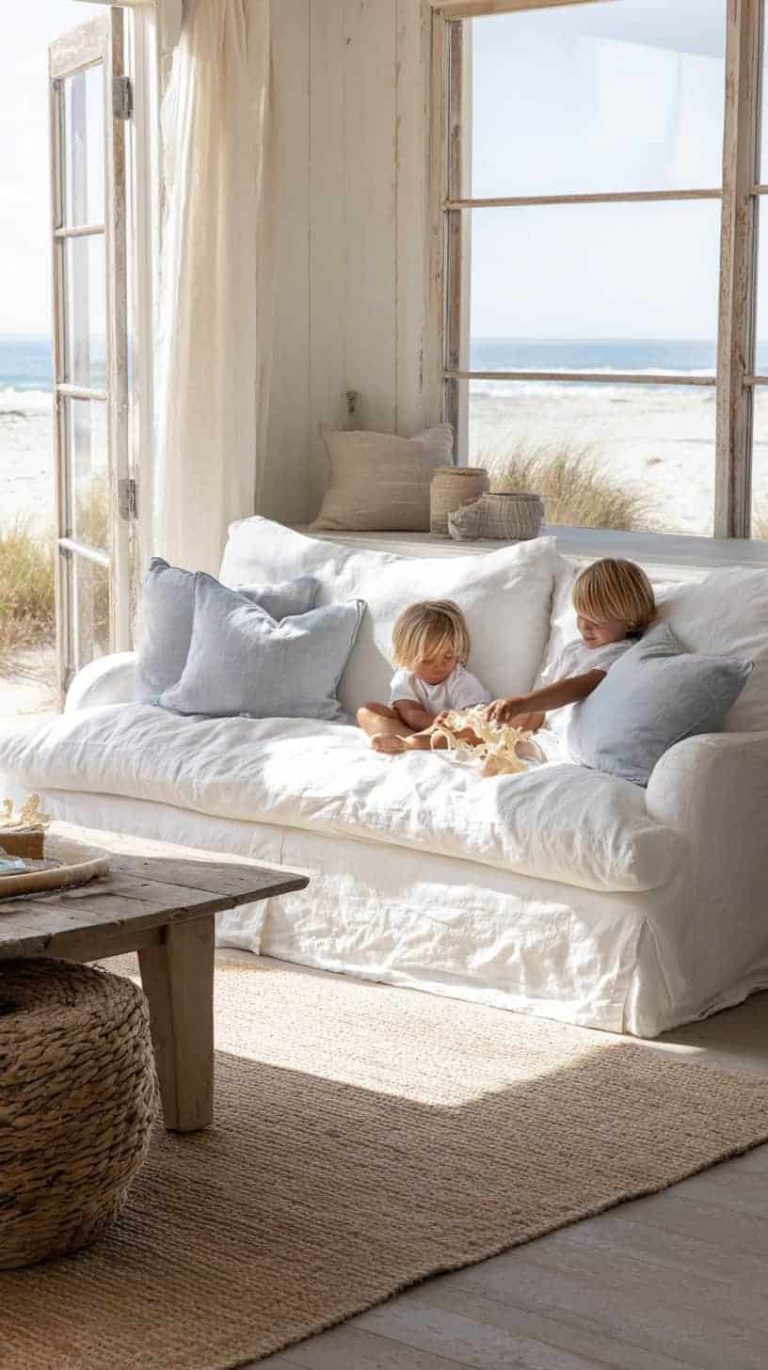
A Seamless Holiday Look: How to Create a Flowing Christmas Style Through Your Home
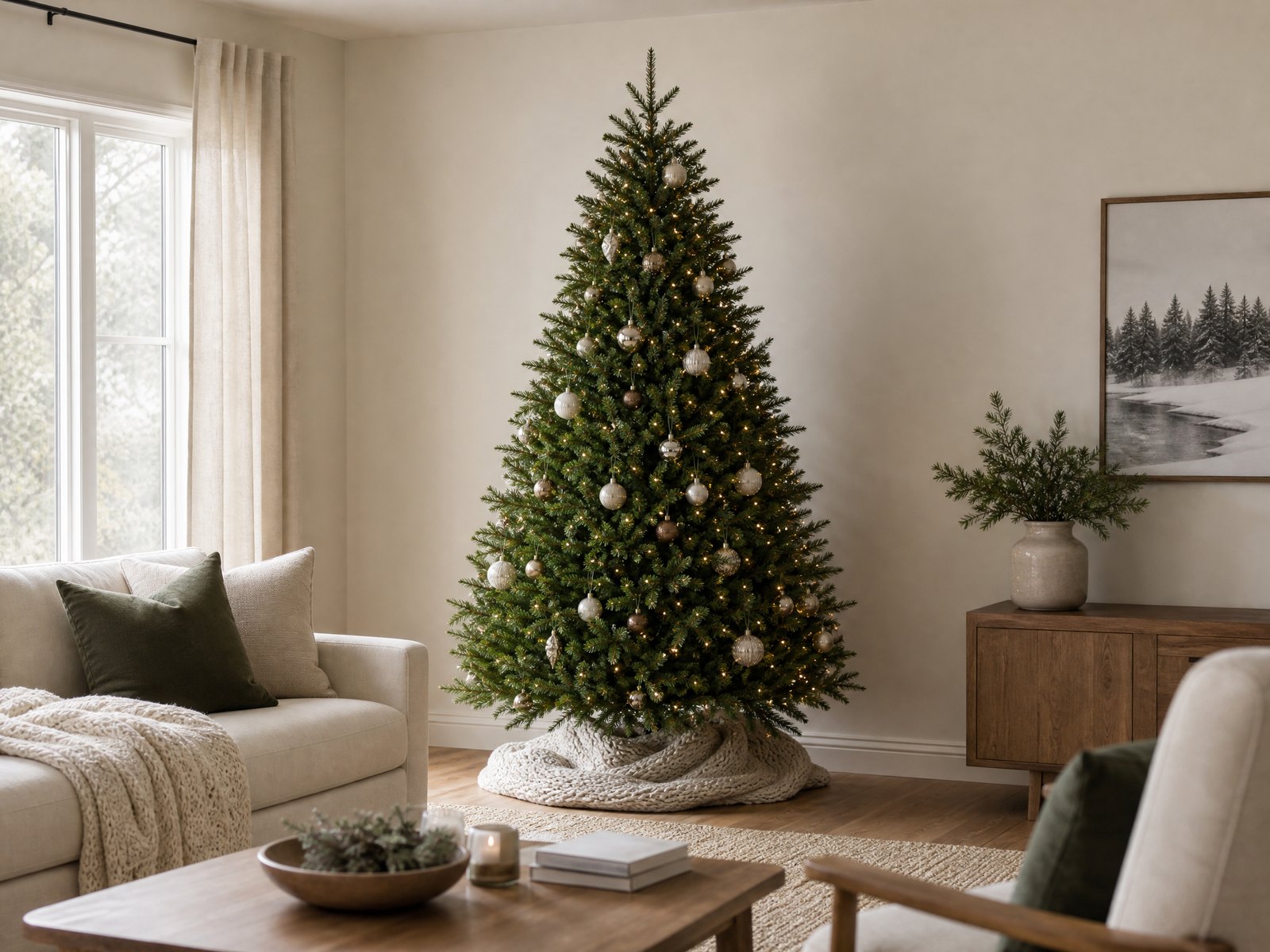
When the season arrives, the most inviting homes feel like a single, unbroken story rather than a collection of separate holiday vignettes. A thoughtful plan that prioritizes a compact color story, smart transitions between spaces, and one focal point per room will give every corner a festive identity while keeping the overall look calm and cohesive.
This guide lays out a clear, room-by-room approach built around eight practical principles. Use them to design a connected holiday scheme that’s intentional, repeatable from year to year, and easy to set up and take down — so the celebrations stay bright while the stress stays low.
1. Start with a Compact Color Story
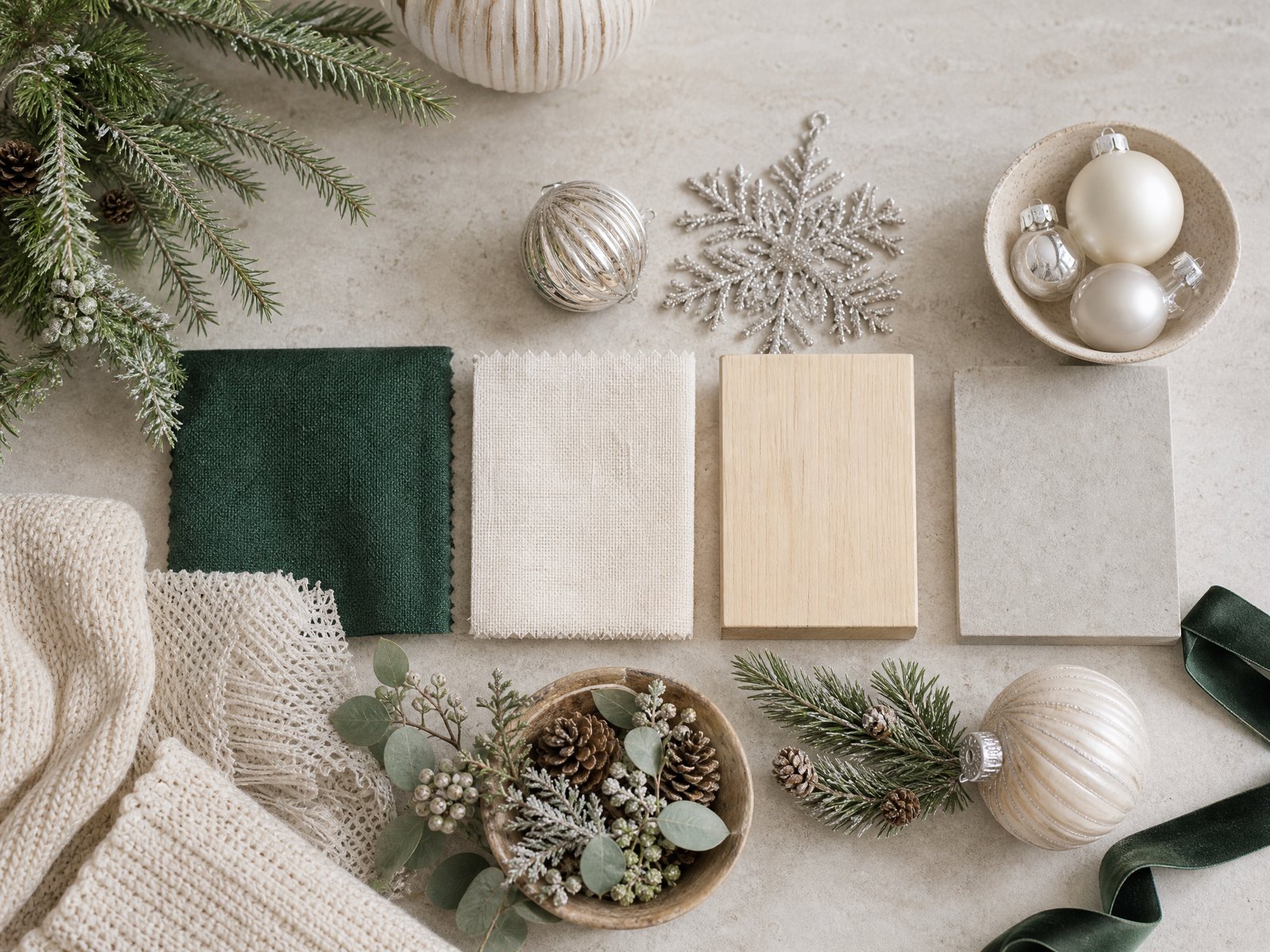
Choose a restrained palette of three to four colors and treat them as the backbone of your decorating for the season. Pick one neutral base that already exists in your home (creams, warm grays, or soft taupes), add one deep anchor tone (a rich green, navy, or charcoal), and select one bright accent (a jewel, a berry hue, or a crisp white). A metallic or natural accent — such as a muted gold, soft pewter, or weathered wood — can be used to unify pieces that would otherwise feel disparate.
Apply this palette consistently but sparingly: repeat the anchor in a larger element in key rooms, use the accent for smaller pops, and save metallics or naturals for texture and highlights. Limiting your decorative colors makes it simple to move items between rooms and still maintain a unified look, and it reduces the visual noise that can make holiday decor feel overwhelming.
2. Design a Welcoming Entry Transition
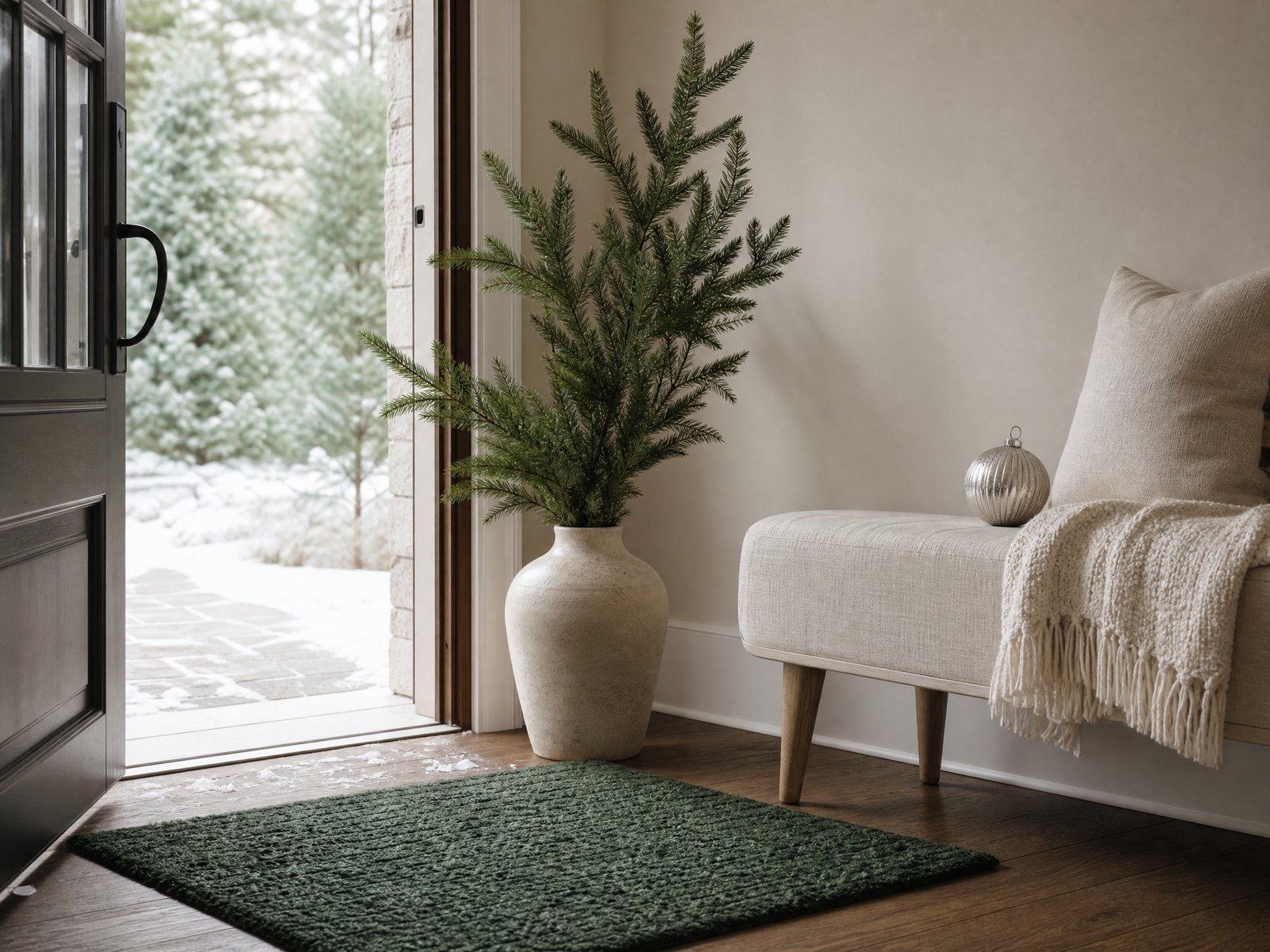
The transition from the outdoors into your home sets visitors’ expectations for the rest of your holiday decor. Create a layered entry by combining a seasonal wreath or hanging, a simple console arrangement, and a tactile element like a runner or rug that echoes your base neutral. Keep scale in mind: a modest console topped with a single sculptural piece and a bowl for keys feels intentional and usable compared with a cluttered assortment.
Make sure the entry introduces at least one element of your compact color story so guests immediately sense continuity. Use a scent or sound to reinforce welcome — for example, a lightly scented candle placed within sight (and following product instructions) or a small Bluetooth speaker playing a warm playlist. Keep circulation clear so the space functions well during arrivals and departures.
3. One Focal Point Per Room
Give every room a single decorative star so attention isn’t pulled in multiple directions. In a living room, this might be a tree, a mantel display, or a large framed mirror dressed with a garland. In a bedroom, dress the headboard with layered textiles and a simple wreath or branch display. Choosing one focal element allows the rest of the room to breathe, making seasonal accents feel deliberate rather than cluttered.
Balance the focal point by repeating elements of scale and color elsewhere at a lesser intensity. If the focal point is high and vertical, add a lower horizontal grouping on a side table that shares the same accent hue or texture. Repetition of color, shape, or material creates visual rhythm across rooms and keeps the look unified without copying every detail.
4. Style Dining and Table Surfaces for Conversation
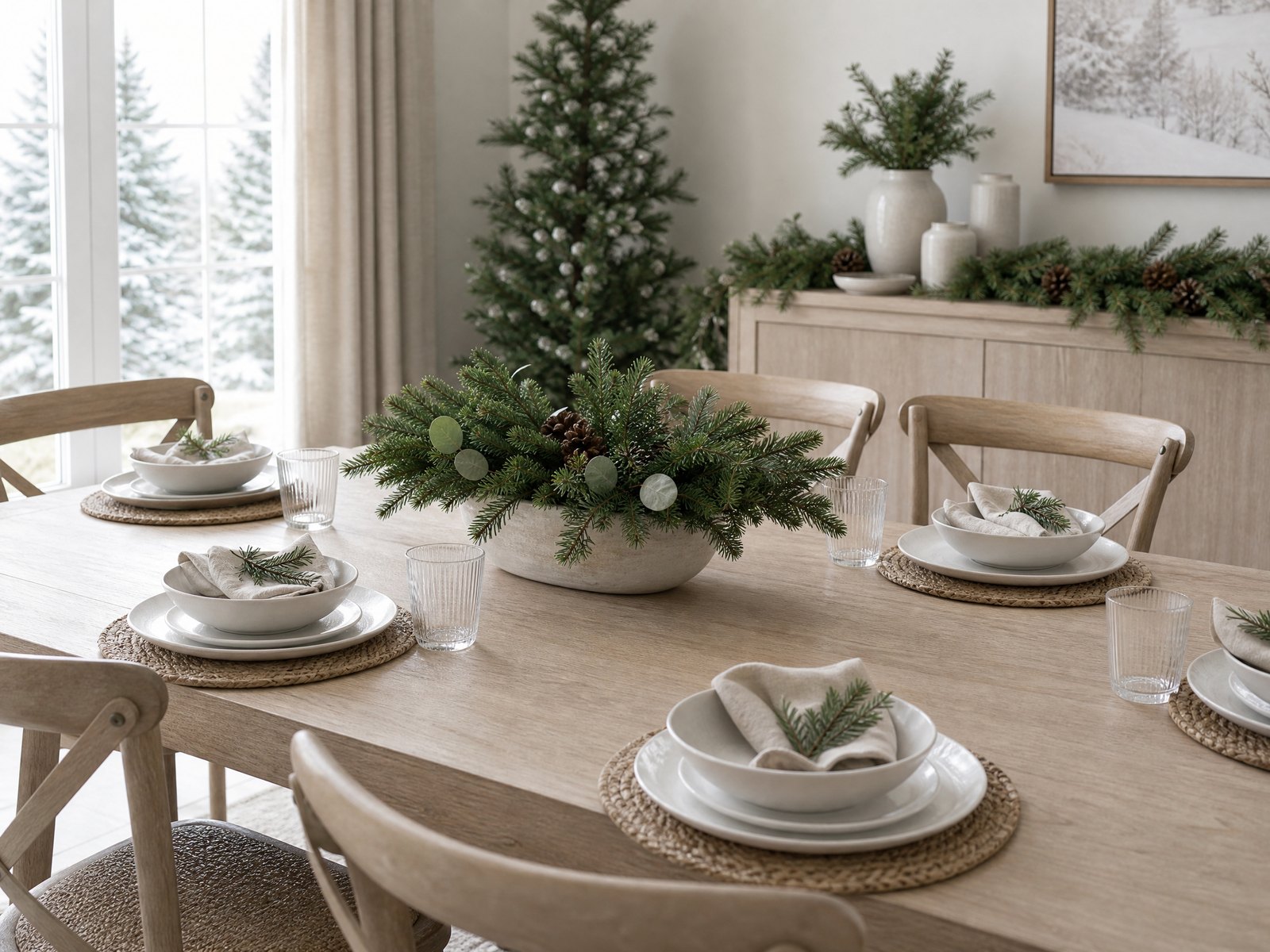
Design tabletops so people can gather comfortably around them. Opt for centerpieces that are low and elongated for dining tables so conversations flow; use varying heights with candles, small vessels of greenery, and a single sculptural element to create interest. Coordinate linens and place settings with your compact color story — a neutral runner, matching napkins, and a recurring accent color in glassware or napkin ties will tie the table into the rest of the house.
For smaller side tables or consoles, choose one higher-impact piece rather than many tiny items that crowd the surface. Place serving trays or decorative bowls near traffic paths to corral items and make hosting smoother. Keep pathways around tables clear and be mindful of candle placement — follow product instructions and keep flames away from anything that can catch.
5. Layering Strategies for Small Spaces
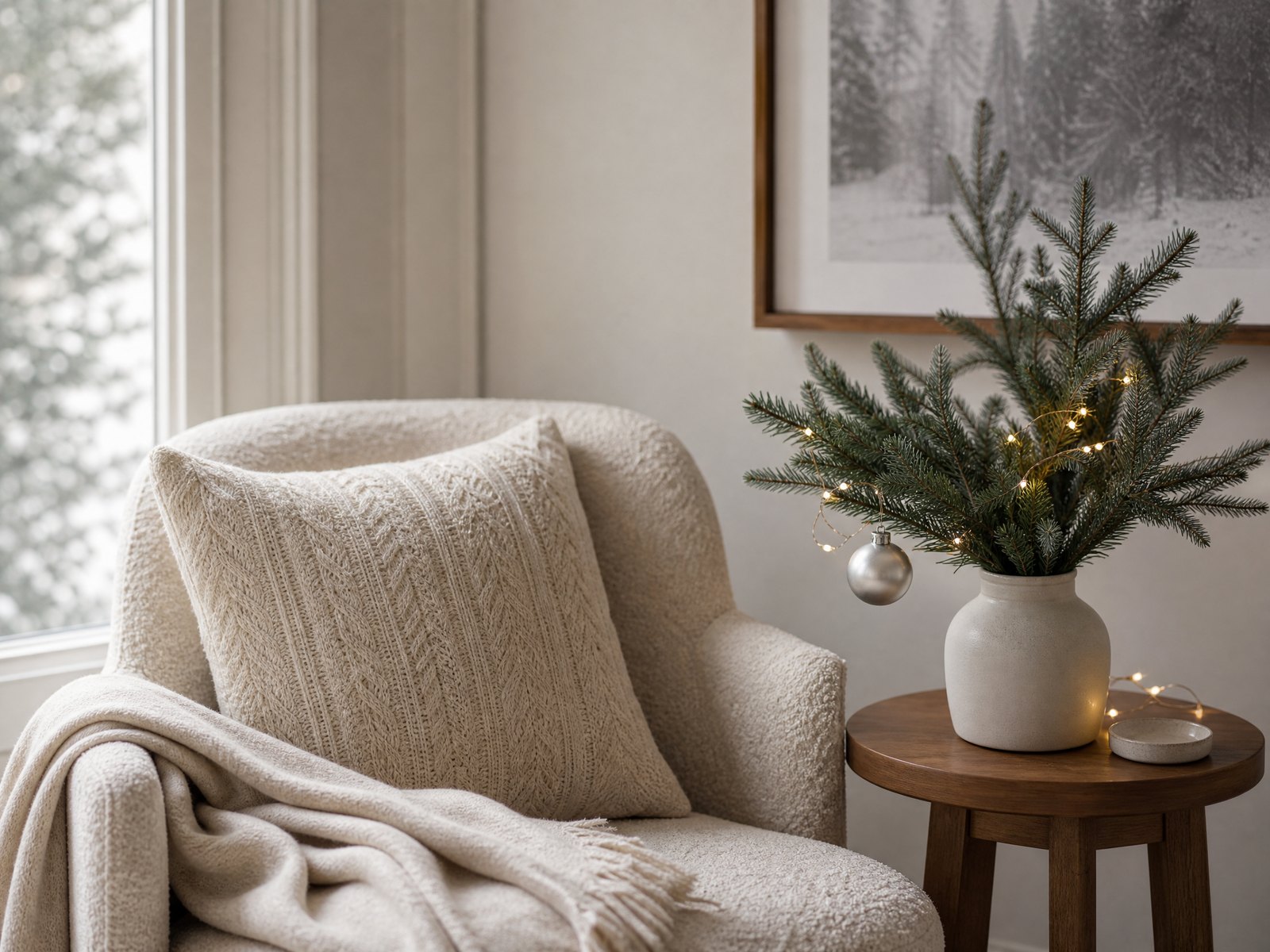
When square footage is limited, layering becomes the tool that adds holiday depth without consuming space. Build vertical interest with wall-mounted or hanging decorations, stack a few scaled-down accents on open shelving, and use textiles — throws, cushions, and small rugs — to bring seasonal warmth. Choose multi-functional decor, such as an attractive basket that holds extra blankets and also acts as a design element.
Scale is crucial: favor fewer, slightly larger pieces over many tiny items that clutter surfaces. Keep walking routes and seating usable by staging decorations along perimeters and elevated surfaces rather than on chairs or narrow tables. A strategic mirror or a reflective surface can also help small rooms feel brighter and more open while doubling as part of your holiday arrangement.
6. Place Lights for Atmosphere and Ease
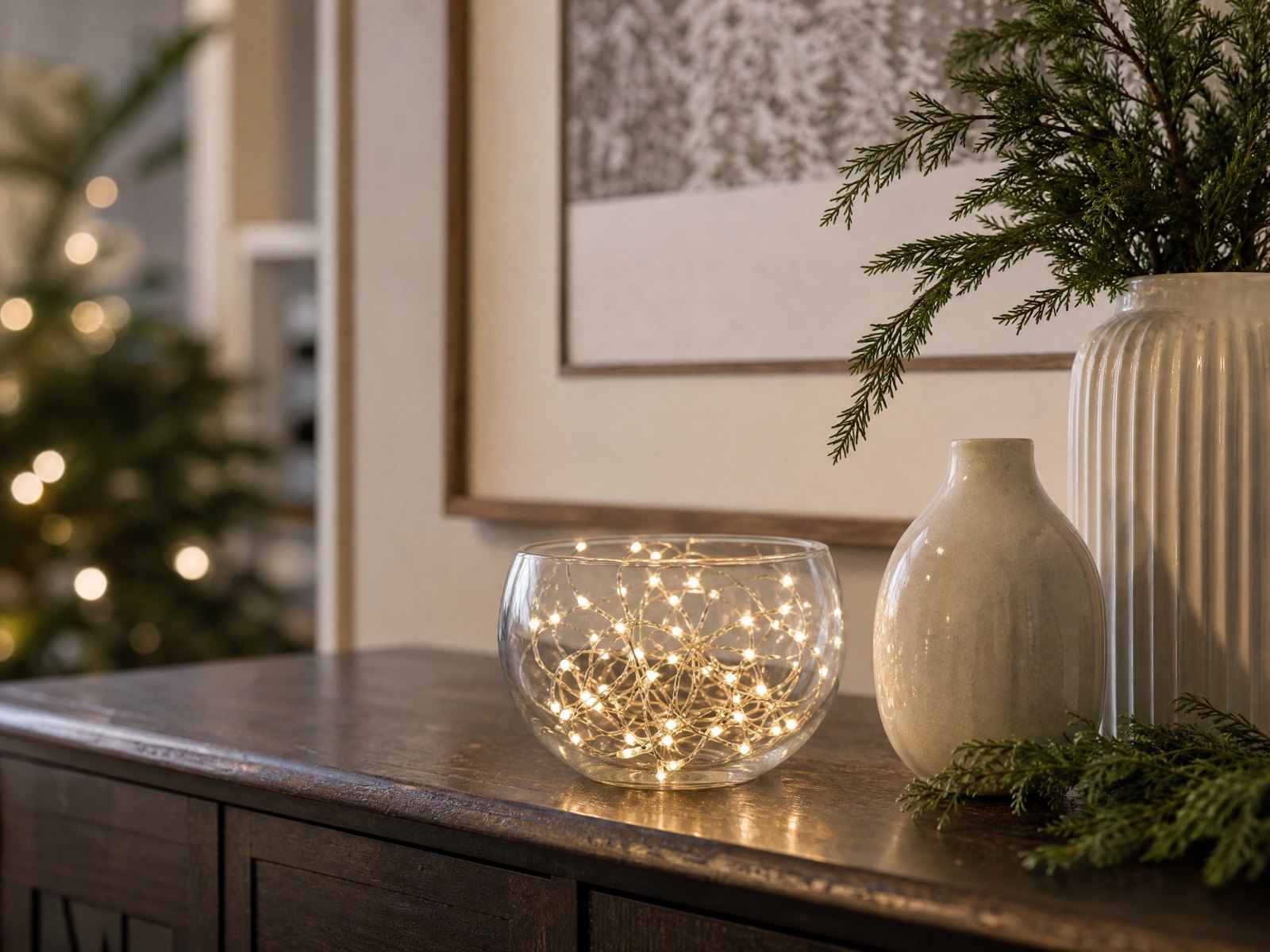
Layer light sources to create a cozy, functional environment: overhead light for general tasks, table or floor lamps for reading, and accent lighting to highlight your focal points. Use string lights and battery-operated candles to add soft highlights where outlets aren’t convenient. Timers and dimmers can help maintain ambiance without constant attention, and smaller lights can be grouped to make a bigger visual impact without overwhelming a room.
Always position lights so they enhance the decor rather than compete with it: tuck strands into garlands or loop them around a focal piece to emphasize shape. Follow product instructions for any lighting and keep lights away from flammable materials and heat sources to reduce risk. Choosing safe, low-heat options — such as LED strings and battery-operated candles — makes it easier to layer illumination throughout the home.
7. Introduce Natural Texture for Warmth
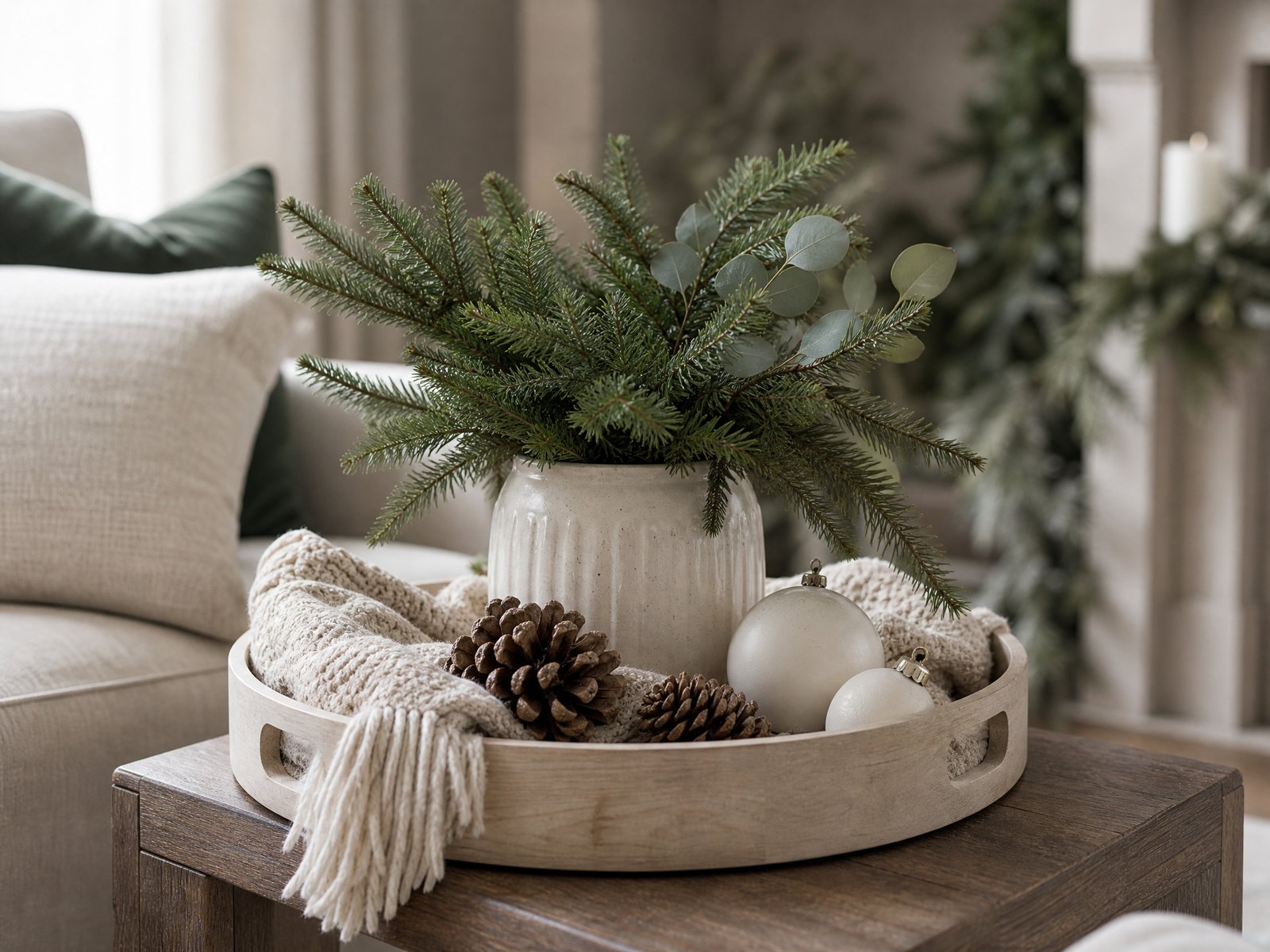
Natural materials instantly soften and ground festive decor. Incorporate wood, woven fibers, dried botanicals, and stone to add tactile variety that complements your color story. A bowl of seasonal fruit, a dried-branch arrangement, or a woven runner brings an organic counterpoint to metallics and glass, making the overall scheme feel more lived-in and less stylized.
Natural elements also layer beautifully with textiles — think wool throws over a wooden bench or linen napkins paired with ceramic vessels. When using fresh greenery or botanicals, plan for maintenance: rotate water, let cuttings dry where appropriate, and combine fresh pieces with dried or long-lasting naturals to extend the life of your arrangements.
8. A Low‑Stress Reset: Setup, Maintain, and Store
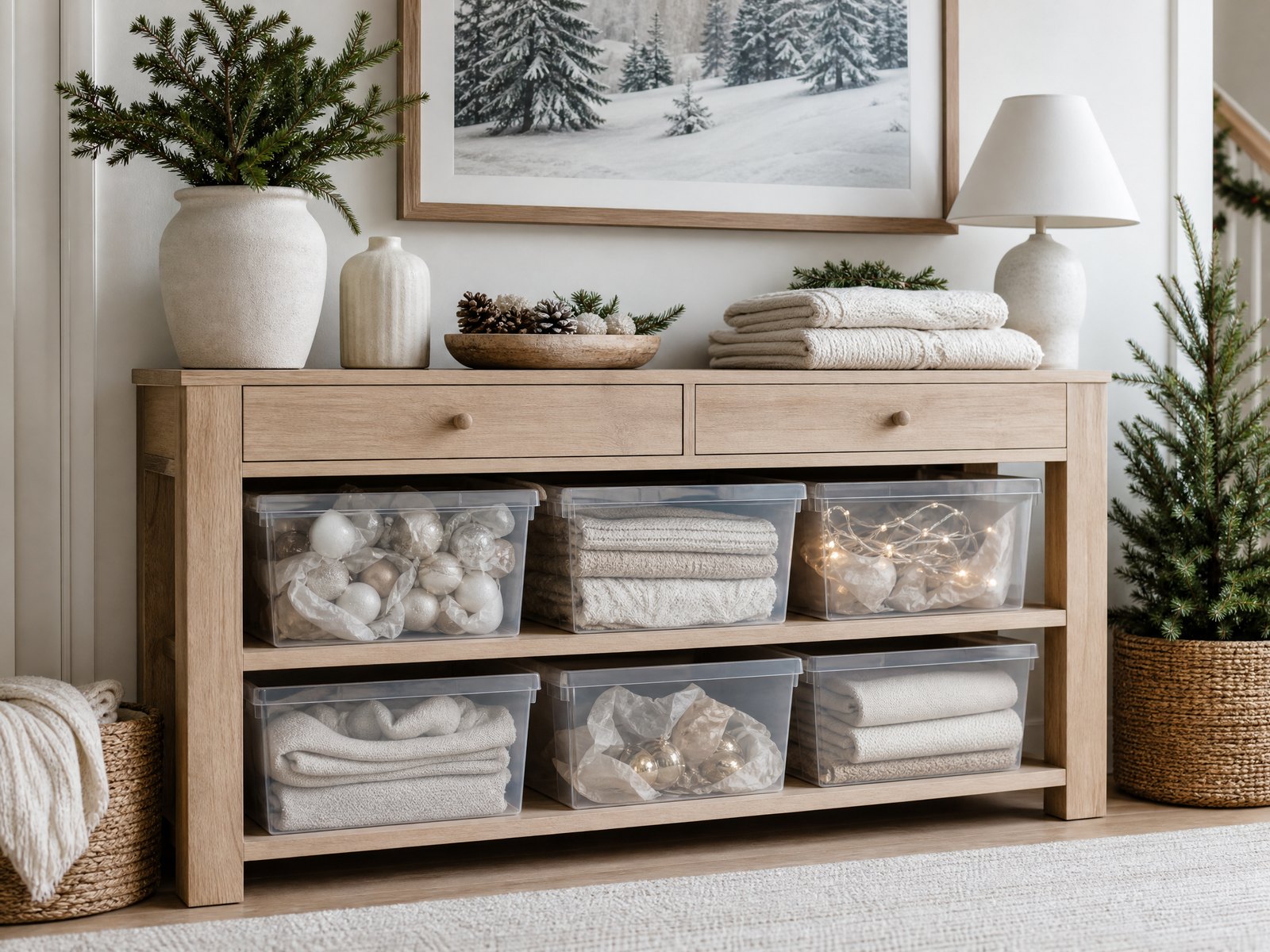
Reduce holiday fatigue by building a simple plan for installation and teardown. Group decorations into labeled bins by room and by type — for example, lighting, textiles, and tabletop items — and keep a short checklist for each room noting what needs to go up and what should stay neutral. Schedule quick, timed sessions for decorating so the job feels manageable, and involve household members by assigning clear, small tasks.
During the season, maintain a gentle routine of tidying high-traffic areas and refreshing greenery or candle groupings as needed. When it’s time to put things away, photograph arrangements before you dismantle them so you can recreate favorites next year. Store items together and note any replacements or repairs needed; a little organization at the end of the season makes the following year significantly easier.
Final Thoughts
A connected holiday look is less about filling every surface and more about thoughtful choices that repeat and relate across the home. With a compact color story, intentional transitions, single-room focal points, layered textures, and a practical plan for lights and storage, you can create a festive atmosphere that feels harmonious and easy to live in.