Simple Side Hustles That Fit Family Life: Practical Ideas for Busy Housewives

You don’t need perfect timing or long stretches of free hours to bring in extra cash. The most successful side hustles for homemakers start small, use skills you already have, and tuck work into pockets of time around family needs. Below are ten focused approaches to help you choose, test, and grow a flexible income stream without upending your household routine.
1. Work the Moments You Already Own
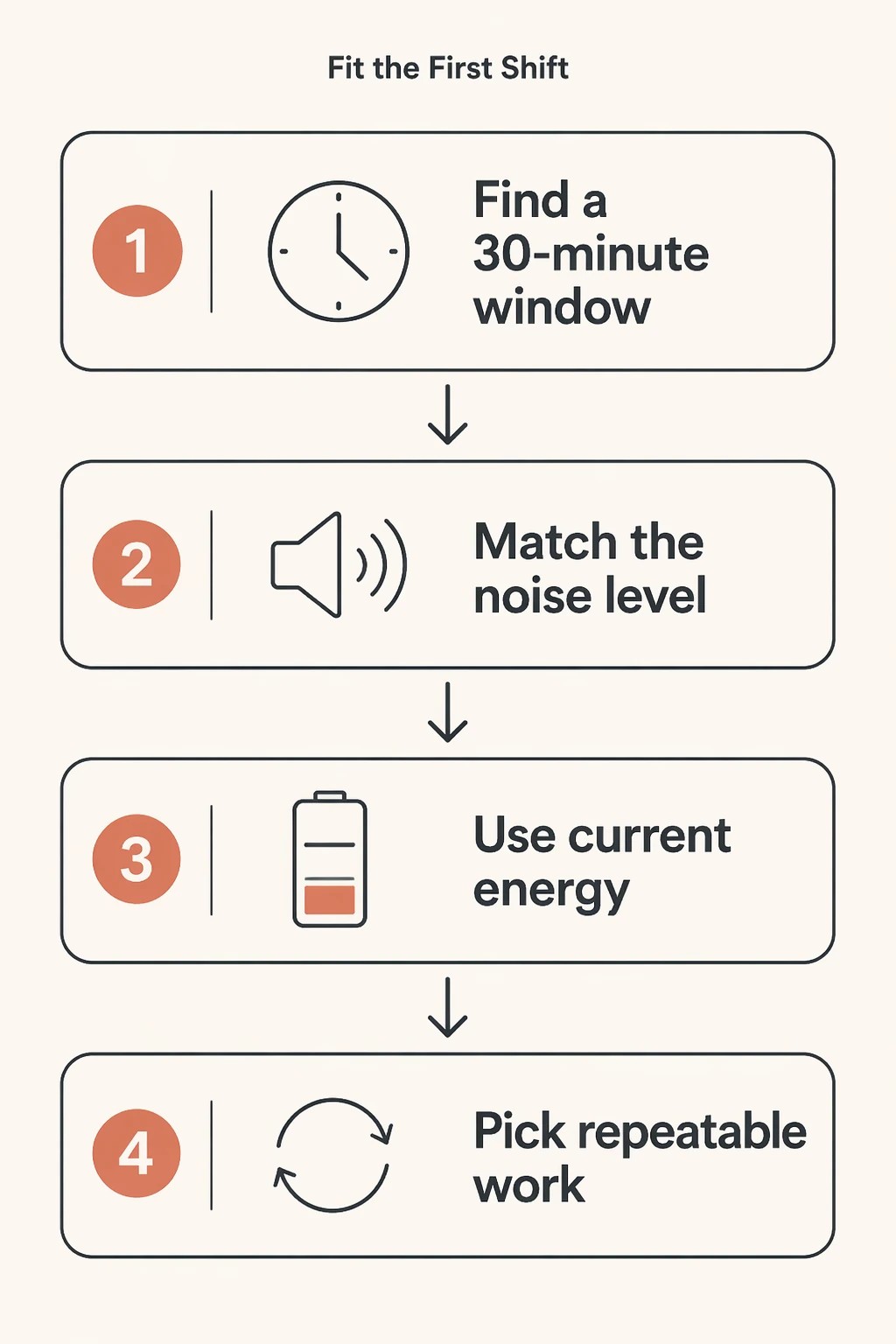
Begin by mapping where a reliable 30–60 minute work window appears each day—after the school run, during a nap, while dinner simmers, or in the evening once the kids are in bed. Choose tasks that survive interruptions: replying to customer messages, uploading product listings, scheduling appointments, or packing orders are easy to pause and resume. Avoid options that demand long, uninterrupted focus until your routine allows it. Practical example: use a 45-minute post-nap slot three times a week to photograph items for resale, write short product descriptions, and queue listings, rather than trying to write a long article that requires a single two-hour block.
2. Start With Service Work—Low Cost, Fast Start
Services typically need little upfront money and can start producing income quickly because you’re selling your time and skills instead of inventory. Think virtual assistance, managing messages for a small local business, listing items for sellers, or simple bookkeeping. A single phone or laptop is often enough to get going. Practical example: offer a flat-rate listing service where you photograph and write three online ads for a fixed fee, letting the seller handle shipping; you earn before spending on supplies and can slot the work into short stretches across a week.
3. Monetize Everyday Abilities You Already Use
Household tasks are valuable skills. Meal planning, baking, sewing, decluttering, scheduling, and basic bookkeeping are services people gladly pay for. Start by packaging one familiar task so customers understand the result. Examples: prepare three freezer dinners for a busy neighbor, offer a pantry-organize reset for a flat price, or hem and mend a few garments each week. Practical tip: set a simple menu or checklist—Monday: delivery of meals; Wednesday: closet refresh—so clients know what to expect and you can repeat the process efficiently.
4. Sell Handmade Items Without Overcommitting

If you craft candles, soaps, baked goods, or jewelry, begin with one product you can make consistently rather than juggling many SKUs. Calculate true cost—materials, packaging, fees, shipping, and your time—before setting a price. Keep packaging functional and attractive but not extravagant; protect the product, then scale up presentation later. Practical example: create and perfect one soap bar recipe, sell it in small local batches, track how long each bar takes from mixing to label, and use that data to price items so you don’t lose money as orders grow.
5. Run a Short, Low-Risk Test First
You don’t need months to learn whether an idea will work. Run a one-week experiment: promote your service to friends and neighbors, accept a few paid gigs, and log the time every step requires—including prep, communication, and cleanup. Count actual buying signals—price inquiries, booking requests, and scheduled dates—rather than likes or compliments. Practical example: offer a trial pantry organization for a small fee to three households in one week, time each visit from start to finish, and ask each client for one improvement suggestion to refine your package before expanding.
6. Steer Clear of Time and Money Traps
Some hustles demand long growth timelines or heavy upfront costs that don’t suit a busy household. Avoid models that hinge on rapid social media fame or require expensive equipment before your first sale. Don’t scatter your energy across too many services—one clear, repeatable offer sells better than a confusing menu. Practical example: instead of investing in a costly oven upgrade to bake dozens of different goods, start by offering a single high-quality item you can prepare in small batches and sell locally to verify demand first.
7. Design One Weekly Offer You Can Repeat
Consistency beats variety when family time is limited. Craft a single package—weekly meal prep, a monthly closet reset, a set number of online listings, or a basic virtual assistant bundle—with a clear result and fixed price. Set a modest weekly goal that fits your routine, such as three jobs a week at a set rate. Practical example: advertise a ‘Saturday Pantry Refresh’ package for a flat fee, perform three bookings each month, and use the same checklist for every job so you can deliver quality efficiently without reinventing the process.
8. Keep Simple Systems to Save Time and Headspace

Small, repeatable systems reduce mistakes and free mental energy. Track income and expenses in a basic spreadsheet or notebook so you can see which services are profitable. Save message templates for common replies, maintain a simple invoice format, and keep service descriptions on hand. Even separating business money into a dedicated account or digital wallet clarifies earnings. Practical example: build a folder with three email templates—new client welcome, booking confirmation, and service follow-up—and use them to respond quickly without drafting fresh messages each time.
9. When to Increase Prices and When to Walk Away
Monitor demand and effort: if clients book faster than you can schedule, or if referrals come regularly, it’s a sign you can raise rates. Increase prices gradually rather than jumping suddenly to avoid surprising repeat customers. Conversely, drop services that constantly drain time for little return. Practical example: if your editing service is fully booked and clients happily reschedule, raise your rate by a small percentage for new bookings while honoring current clients, and phase out a low-paying errand service that consumes travel time without repeat business.
10. Choose Work You Can Sustain Long Term
Priority should be durability: pick tasks that you can perform consistently without burning out or sacrificing family time. On hectic days, focus on lighter but useful activities—replying to messages, scheduling, or prepping for the next job—so you keep momentum even when energy is low. Practical example: if full cooking days feel draining, pivot to offering meal-prep kits where you assemble ingredients and instructions, cutting active cooking time while still delivering value and preserving your energy for family obligations.
A reliable side hustle grows from small, repeatable actions that fit your life. Start inside the schedule you already have, pick one clear offer, test it quickly, and add simple systems so your work is sustainable. With modest, steady steps you can build extra income without sacrificing family time.