Should You Try Amazon Flex? A Practical Guide to What to Expect and How to Make It Work
Thinking about delivering for Amazon to earn extra money on your own schedule? This guide walks through what the program is, who qualifies, how earnings and expenses interact, and realistic tactics current drivers use. Read on for practical examples and clear trade-offs so you can decide whether this kind of on-demand driving fits your lifestyle.
1. What Amazon Flex Actually Is: A plain‑language overview
Amazon Flex connects independent drivers with local delivery work using a mobile app. Drivers pick available delivery assignments, pick up packages at an Amazon location or partner store, and complete door‑to‑door drop‑offs. Work types vary from quick local grocery or express orders to regular parcel routes, so you can choose shorter, fast runs or longer blocks that require more stops. For example, someone living near a distribution hub might take a short grocery run between shifts, while another driver farther out may prefer longer parcel routes that consolidate multiple deliveries. The core idea is app-driven flexibility: you choose when to work, but you also manage your own vehicle and schedule.
2. Can you sign up? Requirements and the signup process
Getting started involves meeting basic eligibility requirements and completing an onboarding process. Expect to need a valid driver’s license, a smartphone to run the driver app, and a reliable vehicle that fits local size rules. You’ll also provide bank and tax information, and undergo background and driving‑record checks. The app walks new drivers through identity verification, orientation materials, and the first time pickup routine so you know how to scan and confirm deliveries. Practical example: a college student uses evenings to finish setup steps, practices a solo pickup during a less busy hour, and then accepts a short, nearby assignment to get comfortable with the flow.
3. How pay typically works — and why it varies
Earnings for app‑based delivery are fluid because pay depends on location, demand, delivery type, and tips. The platform shows you an estimated payout for each available assignment before you accept it, but final take‑home changes when customer tips and your own operating costs are included. Drivers in dense urban areas often see more frequent offers and potential for higher tips compared with quieter regions. For example, a driver who focuses on evening grocery runs in a busy neighborhood may earn more per hour than someone making long, low‑volume suburban drops. The takeaway: compare offered payouts to how much time and mileage each assignment will require before accepting.
4. Counting the real cost: fuel, maintenance and smart expense habits
Your vehicle is your primary expense: fuel, routine maintenance, tires, insurance and occasional repairs all reduce what you keep from gross pay. Tracking mileage, parking and tolls with a dedicated app or spreadsheet helps you understand true profitability and prepares you for tax deductions. Practical steps include choosing fuel‑efficient routes, scheduling routine maintenance during slow seasons, and considering whether a different vehicle would cut costs. For instance, a driver who maps clusters of deliveries before leaving the lot can reduce backtracking and save fuel; another driver alternates between delivery apps to avoid long unpaid drives between blocks.
5. Pros and cons distilled: what drivers say matters most
Drivers list flexibility and straightforward onboarding as major advantages — you can schedule around other responsibilities and jump in without prior experience. On the downside, block availability can be unpredictable, routing can sometimes be inefficient, and all vehicle costs fall on you. The job can be a pleasant side income for someone who values autonomy, but it may feel stressful for anyone trying to replace a steady paycheck due to variability in work and earnings. A practical example: a parent uses evening blocks to supplement household income and values the schedule control, while another driver found weekday block scarcity made consistent earnings difficult.
6. Real‑world driver habits that raise efficiency and earnings
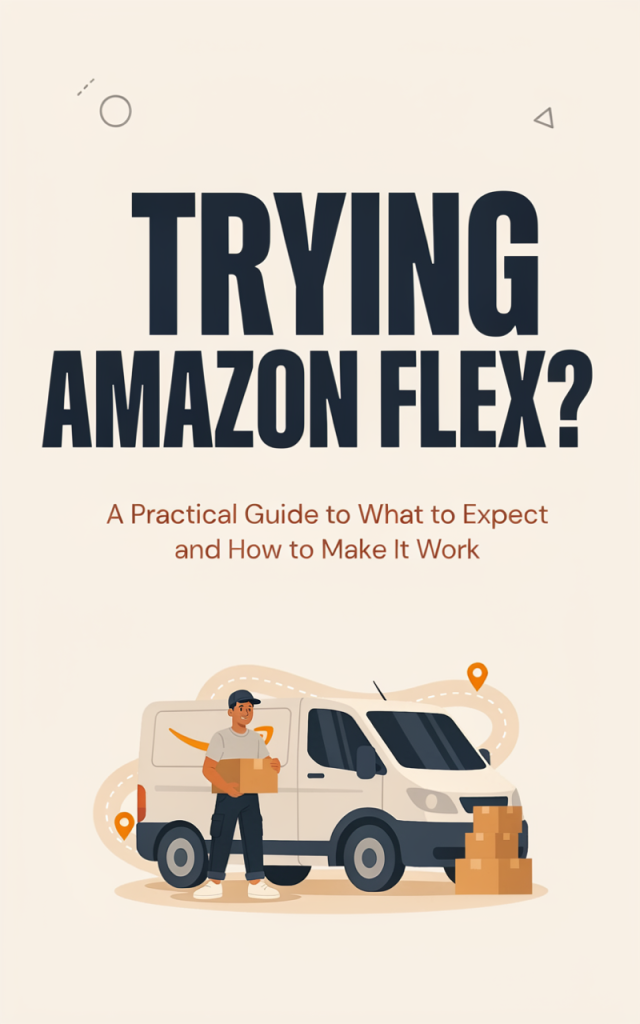
Experienced drivers develop routines that cut time and costs: sorting packages by delivery area before leaving the pickup point, using a secondary GPS app to avoid traffic, and keeping essentials — a phone mount, portable charger, and a small toolkit — within easy reach. Tracking mileage and expenses with dedicated apps makes tax time simpler and reveals which types of assignments are most profitable. For example, a driver who organizes packages by neighborhood and leaves the van in delivery order can finish a block faster and take another offering, while another driver juggles multiple platforms to fill slow periods without idle driving.
7. How this gig compares to other delivery and rideshare options
Compared with passenger rides or food delivery, package and grocery runs present different rhythms and customer interactions. Some drivers prefer the predictability of pickups at a single hub; others like the immediacy and tips that can come with food orders. If you dislike passenger interactions, package delivery can be a better fit. Conversely, if you want the chance for higher real‑time tips, food and grocery apps may sometimes pay out differently. A practical approach is to test multiple platforms over a few weeks to see which schedule, order density, and customer expectations best match your driving style and local demand.
8. Is it sustainable as a long‑term side hustle?
Long‑term viability depends on local demand, how much wear you’re willing to put on your vehicle, and whether you can adapt your strategy. In areas with steady order volume, it can be a reliable supplemental income stream; in quieter markets, it may stay an occasional side project. Strategies that support longevity include prioritizing fuel efficiency, rotating between platforms to smooth income, and reserving driving for predictable busy periods like holidays when demand rises. For example, a driver might treat the platform as seasonal income, increasing hours during peak shopping periods and cutting back when offers are scarce.
9. Deciding whether to try it: quick checklist for a test run
Before committing, run a short trial: calculate likely costs for a typical block in your area, confirm you meet signup requirements, and schedule a handful of blocks across different times and days to gauge availability and routing. Ask practical questions: Do you have a reliable vehicle, can you cover maintenance, and does the work fit your calendar? Try pairing a few sessions with another gig app to avoid downtime. After a trial week, review earnings versus costs and your stress levels. If the flexibility and net income align with your goals, it can be a useful side income; if not, you’ll have learned quickly without a big commitment.
Amazon Flex can work well as an adaptable side income if you plan for vehicle costs, test the market in your area, and use efficiency tactics. Try a short, structured trial to see how schedule flexibility, block availability, and net pay fit your needs before making it a regular part of your routine.