How to Launch a Low-Stress Vending Machine Side Hustle: A Practical Roadmap
Vending machines offer a quietly reliable way to earn extra income without a full-time commitment. This guide walks you step-by-step, from choosing the right machine to keeping routes efficient, with practical examples you can act on this week. Read it as a checklist you’ll return to while you set up your first unit.
1. Why Vending Makes Sense as a Side Business
Vending is essentially small-scale retail plus light logistics: you supply products, maintain a machine, and collect revenue. It’s well suited to part-time operators because most routine tasks—buying stock, restocking, and collecting money—can be scheduled weekly. Think of it as owning a little retail outpost that runs while you sleep; the real work is choosing good locations and keeping machines presentable. Practical example: plan a single weekly visit for your first machine—use that trip to restock, clean, and reconcile sales—so you can evaluate whether the time commitment fits your schedule before adding more units.
2. Choosing the Right Machine Type for Your Market
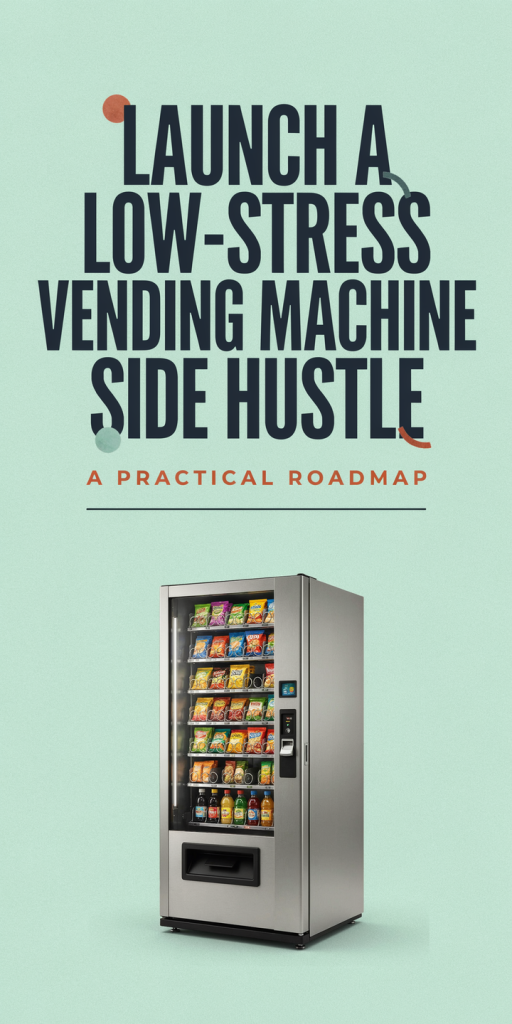
Machines come in flavors: snack-only, drink-only, combination units, coffee dispensers, and small bulk machines. Each serves different traffic and maintenance needs—snack machines are lighter and simpler, drink machines are in demand where thirst is common, and combo machines cover both but cost more upfront. Match type to place: a gym favors bottled drinks and protein bars, a laundromat benefits from snack mixes and kid-friendly items, and a small office might prefer a combo or coffee unit. Start with one machine type that fits your first target location so your learning curve is focused and predictable.
3. Balancing New Machines Against Used Finds
Buying new gives warranty coverage and modern features like built-in cashless readers, while used units can lower your initial outlay but may need repairs. The smart approach is a risk-managed purchase: inspect used machines thoroughly—check coin and bill acceptors, cooling function, and seals—and allow a small budget or contingency for maintenance. If you buy new, prioritize models with easy serviceability and reputable support. Practical example: bring a checklist to evaluate a used machine and ask the seller to demonstrate every function before you commit, or negotiate a short-term guarantee if possible.
4. Estimate Your Start and Ongoing Costs (Without the Noise)
Treat startup costs as two buckets: one-time setup and recurring operating costs. One-time items include the machine itself, a cashless reader if you want one, basic tools and moving gear, and simple legal registrations. Ongoing expenses cover inventory, location commission, fuel for your route, and occasional repairs. Instead of chasing exact industry figures, draft a mini profit-and-loss for one machine using conservative sales assumptions and expected expenses so you know how many sales you need to break even. Example action: create a simple spreadsheet listing one-time and monthly costs to calculate how many vends cover your expenses.
5. Why Cashless Payments Matter (and How to Add Them)
Accepting cards and mobile wallets makes vending more convenient and often increases transactions, especially with younger customers. Modern cashless units accept tap and chip payments and usually connect to reporting dashboards, which helps with sales tracking. Installation can be DIY on many machines, or you can hire a technician for a faster setup. Practical tip: consider adding a cashless reader early; it tends to improve revenue flow and reduces time spent handling coins. Also use the reader’s reporting tools to spot top sellers and slow-movers at each location.
6. Where to Source Machines and Parts
You can find machines from refurbishers, local suppliers, online marketplaces, or auctions. Refurbishers often offer short warranties and tested electronics; marketplaces can yield bargains but require more due diligence. Keep a list of trusted local repair shops for quick service and parts, and consider buying common spare parts upfront like bill validators or cooling components. Practical suggestion: establish a relationship with one reliable service technician early—when a machine has a problem, quick fixes minimize downtime and lost revenue.
7. Scout Like a Pro: Finding High-Value Locations
Successful vending is location-driven. Walk potential sites during peak hours, note foot traffic, and imagine whether visitors are in need of snacks, drinks, or essentials. Different venues have different buyer profiles: gyms, warehouses, and student areas each favor specific items. Observe existing machines—if they’re empty, dirty, or overpriced, you’ve found an opportunity. Practical exercise: spend one morning this week visiting five candidate locations, count foot traffic for twenty minutes at each, and jot down which products people near those spots are likely to buy.
8. How to Approach Owners and Close a Placement
Find the person who controls vending—manager or owner—and introduce yourself in person with a concise offer: you’ll install and service the machine and the business gets passive benefits. Be ready to explain terms: whether you’ll pay a commission or offer a service-free arrangement, how often you’ll restock, and who provides power. Always record the agreement in writing covering access, electricity, commissions, and exit terms. Practice a short pitch and try it out in conversation; that preparation makes it easier to address questions and land placements faster.
9. Covering Legal and Insurance Basics
Set up a simple legal structure so finances are clear and consider basic liability insurance to protect against claims. Register for any required seller or tax permits and learn local health department expectations for food and beverage dispensing. Accessibility rules may apply depending on location, so check whether machines need to meet height or operability standards. Also document placement terms with owners to avoid misunderstandings. Practical step: allocate time to register the business, ask a broker about a small liability policy, and keep copies of all location agreements in a single, backed-up folder.
10. Stocking Smart: Core Items, Healthy Choices, and Tests
Use a ‘core plus test’ plan when stocking: fill most slots with reliable sellers—staples that fit the location—add a few healthier options, and reserve slots for rotating items to test demand. Track what sells each week and replace slow movers promptly. Price simply—clear, round numbers are easier for customers to understand. Practical example: in a gym, make bottled water and protein bars your core, add one or two healthier snacks, and experiment with a new product each week to see whether it earns a permanent slot.
11. Operations: Route Planning, Cash Handling, and Efficiency
Efficiency matters as you grow. Group machines geographically to reduce drive time, pre-pack restock bins at home to speed loading, and keep a small cash float in each machine for change. Clean machines during every visit and log cash and cashless sales for reconciliation. Use simple tools like labeled bins and a checklist to avoid missed items. Action example: design a weekly route map that minimizes backtracking, and use stackable bins with pre-counted quantities of top sellers so restocking takes minutes, not hours.
12. Create Positive Customer and Host Relationships
Good relationships with location hosts and customers reduce friction and increase uptime. Leave a small sign with a contact number for product requests or service needs, and schedule regular check-ins with hosts to review performance and feedback. Small gestures—like replacing a broken item promptly or offering a short period where commission is waived—build trust. Practical tip: set a calendar reminder for quarterly meetings with each host and respond quickly to repair messages; a responsive operator is more likely to be accommodated and recommended to other businesses.
13. Low-Effort Marketing and Referrals to Grow Locally
Keep promotion simple and local: a clean flyer, word-of-mouth, and a basic online presence help. Create a one-page handout explaining that you install and service vending at no hassle to the host, and leave it with busy businesses that serve steady foot traffic. Offer small referral incentives to hosts who send you to new locations. Also claim a local business listing so a simple search reveals your service. Practical action: design one flyer this weekend and deliver it to a handful of nearby candidates to generate leads without a big marketing budget.
14. How and When to Scale: Cluster, Then Expand
When the first machine is consistently profitable and your processes are smooth, add a second unit nearby and keep new machines clustered to reduce travel time. Reinvest profits into new machines and replace underperforming placements rather than adding distant units. Consider hiring part-time help once multiple machines demand more frequent servicing; provide them with clear SOPs. Practical approach: aim to create a tight cluster of machines that a single weekly route can reliably service, then expand outward only once the cluster runs efficiently.
15. Avoid Common Mistakes That Kill Momentum
Several predictable missteps slow or sink vending businesses: overspending on an unnecessary top-of-the-line machine, accepting weak locations just to launch, skipping cashless payments, and inconsistent restocking. Guard against these by prioritizing location quality over machine bells and whistles, testing placement performance within a few weeks, and keeping a disciplined restocking schedule. Practical safeguard: write a short mantra or checklist—such as “Location first, consistency always”—and review it before each purchase or placement decision to stay focused on what matters.
16. A Simple First-Week Action Plan
Turn planning into motion with three clear steps: scout three high-traffic spots and record visitor patterns; draft a basic startup budget listing one-time and monthly costs; and practice a short placement pitch to approach a site host. These actions move you from idea to setup within a manageable timeframe and reveal whether the business fits your lifestyle. Practical example: schedule two mornings this week—one to scout locations and one to draft your budget and pitch—so you finish with a prioritized list of candidate sites and a realistic sense of next steps.
Vending is a steady, practical side business when you focus on location quality, consistent servicing, and simple bookkeeping. Start with a single, well-chosen machine, learn the rhythms of restocking and host relationships, and expand only after you’ve proven the model locally. Small, deliberate steps and reliable routines will turn a humming box in a corner into a dependable income stream over time.