Driving for DoorDash: A Clear, Practical Guide to Whether It Fits Your Life and Wallet
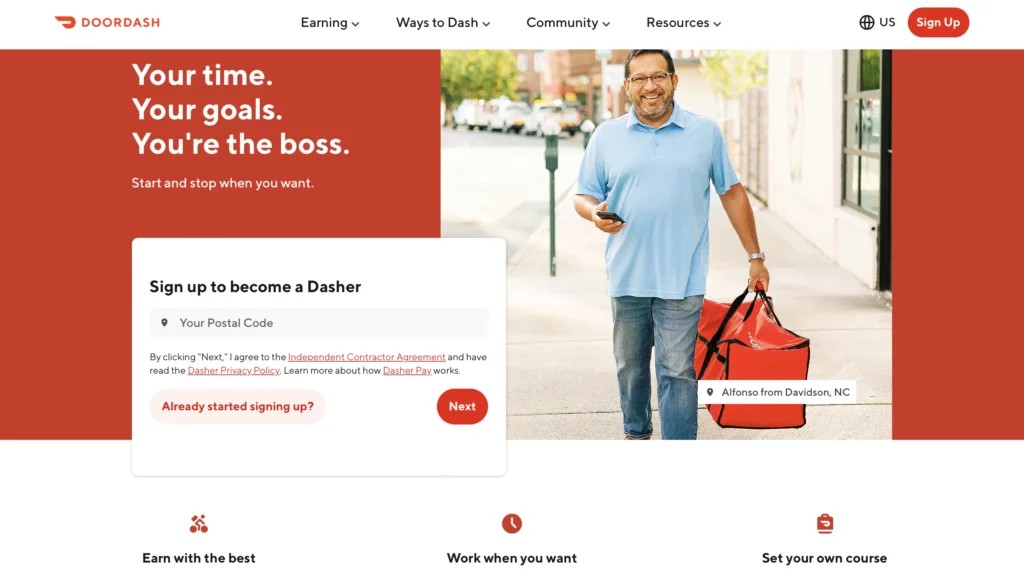
Thinking about delivering for DoorDash but unsure if it’s a good fit? This article walks through what the platform does, how to get started, how pay works, and the everyday realities drivers report. I’ll also share practical ways to test the gig in your neighborhood so you can decide with confidence.
1. What DoorDash Actually Does and how the app connects customers and drivers
DoorDash is a digital marketplace that connects people ordering food or goods with independent drivers who pick up and deliver those orders. From restaurant meals to grocery and small retail runs, the app shows menus, order status and delivery instructions, and it gives customers a way to message their driver. For drivers, the app offers a live map and available jobs to accept or skip. In practice, a typical run might start with a notification, a quick drive to the pickup spot, a short wait while the order is prepared, then a drop-off; the goal is smooth, prompt service so both parties are satisfied.
2. How to sign up, get vetted, and start your first shifts
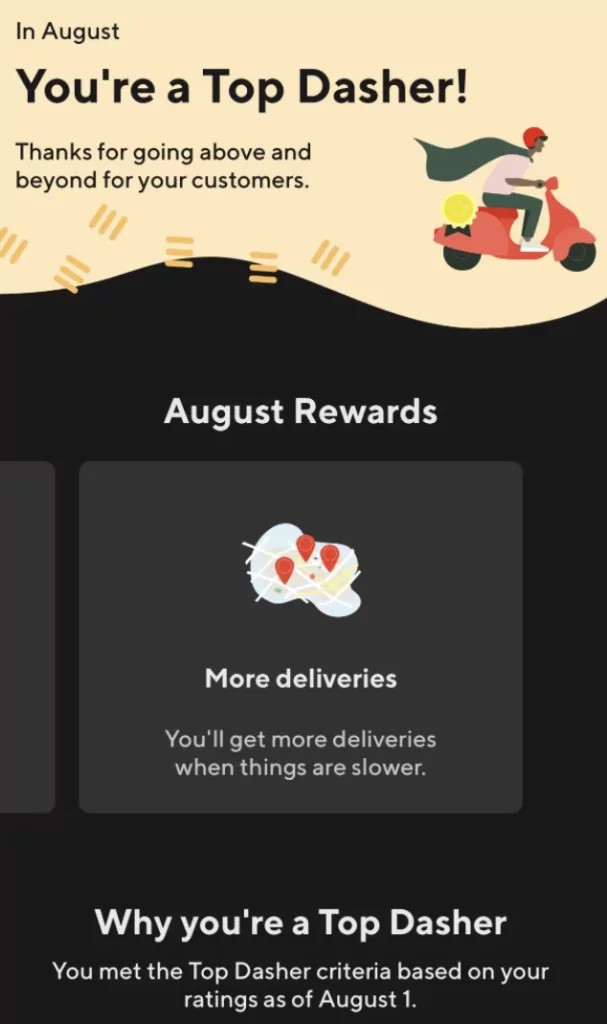
Becoming a DoorDash driver begins with an online application and a background check. You’ll usually confirm basic eligibility details such as age and whether you have an appropriate mode of transport for your area—car, scooter, or bicycle in select cities. After approval you receive an activation kit and access to the driver app; you’ll also link a bank account so earnings can be deposited. A practical approach: complete your profile, learn the app’s navigation and order screens in a low-pressure time, then schedule a short test shift during a mealtime rush to see how pickups and drop-offs feel in your neighborhood.
3. Where the money comes from: base pay, tips and incentives
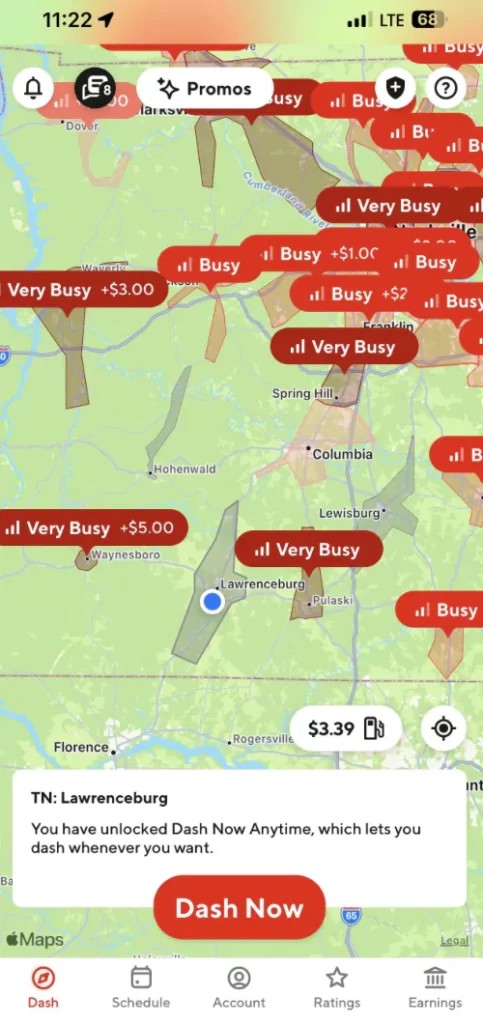
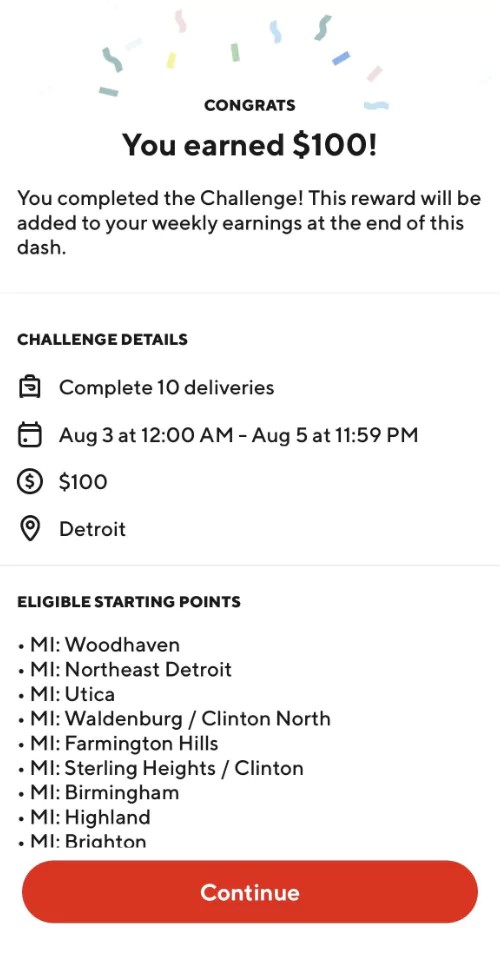
DoorDash earnings are made up of platform base pay, customer tips and occasional incentives like peak pay or streak bonuses. Base pay varies by order based on distance, estimated time and complexity; tips are added by customers and belong to the driver. Some markets also experiment with hourly-style guarantees that come with specific accept/reject rules. If you want to estimate your take-home, track what each delivery paid, note tip patterns by restaurant or time, and check the app for promos. For example, a short restaurant-to-apartment run with a generous tip can beat a long, low-tip delivery when you consider time and fuel.
4. Is DoorDash the right side hustle for your situation?
Whether DoorDash makes sense depends less on blanket claims and more on your local market, schedule flexibility, and expense tolerance. In dense urban neighborhoods, short rides and frequent orders can make shifts efficient; in spread-out suburbs you’ll likely spend more time and miles between gigs. Consider factors like how many hours you’re willing to commit, whether you’re comfortable driving in peak weather or busy nights, and how you’ll handle slow days. A practical test is to try a handful of shifts over different days and times, then compare gross earnings to your tracked fuel and wear costs to determine the real hourly outcome for you.
5. Simple, tactical ways drivers increase earnings
Small habits can add up: work known busy windows like lunch or dinner, position yourself near restaurant clusters, and accept orders that match your time-and-distance thresholds. Use insulated bags and a phone mount to increase efficiency; be proactive about customer communication to improve tips and ratings. Some drivers use multiple apps so they can choose the most profitable ping as it comes in, but that requires juggling notifications and navigation. Practically, try working three evening shifts focusing on a hotspot corridor, note how many orders you complete per hour, and refine which restaurants and order sizes give the best return for your time.
6. What fellow Dashers say — praise and pitfalls from the field
Driver feedback is mixed: many appreciate the flexibility and earning spikes during busy periods, while others point to downtime, rising costs, and local saturation of drivers as challenges. Reviews often highlight that strategies that work in one city may fall flat in another; an urban dasher’s shortcut won’t necessarily translate to suburban routes. If you’re trying DoorDash, take local reviews as anecdotal guidance rather than gospel: ask neighborhood drivers about peak streets and problem restaurants, and test their tips in short runs. Real-world voices are useful for shaping expectations but not for guaranteeing results in your market.
7. Practical pros and cons to weigh before committing
The biggest upside of delivering is control over your schedule: you can pick shifts around other obligations and scale up or down. On the flip side, vehicle wear, fuel, parking and the lack of a guaranteed wage are real considerations. Ratings and customer disputes can affect your standing, so consistent service matters. Safety concerns—busy roads, late-night deliveries and inclement weather—also factor in. Try a conservative trial period: run a fixed number of shifts, keep a detailed log of miles and maintenance, and evaluate whether the money you keep after costs meets the goals you set when you signed up.
8. How DoorDash compares to other delivery platforms
If DoorDash doesn’t feel right, other apps offer different trade-offs. Some platforms prioritize time-and-distance formulas; others add grocery or retail shopping into the mix. A few let you toggle between passenger driving and deliveries, while others have loyalty or referral perks that might fit your routine better. The practical approach is to try one or two alternatives during off-peak hours to see the app flow and typical order types in your area. Multi-apping—running two apps at once—can reduce downtime, but it takes practice to manage overlapping pickups and customer communications without mistakes.
9. Answers to common driver questions—what to expect on the road
Drivers often ask the same operational questions: how many deliveries per hour can you expect, what times are busiest, and how do payout options work? Delivery volume depends on local demand and the time of day; typical busy windows are around mealtimes and weekends. Payouts can be weekly or made available sooner through instant-cashout options or dedicated driver debit cards. To evaluate performance, track your completed orders, time spent, and expenses for a week so you can calculate your personalized net hourly rate. That data helps you refine when to work and which orders to accept.
10. A short, sensible experiment to see if it fits your life
Rather than deciding based on headlines, run a two-week experiment: pick a few predictable shifts at different times, keep meticulous notes on gross pay and each expense, and compare the net results to your goals. Swap strategies—try hotspots versus neighborhood runs, or single-app versus multi-app sessions—and observe how each affects your efficiency. If you’re still unsure after that trial, reassess expectations: perhaps the platform is good for occasional extra cash but not for full-time replacement, or maybe a different delivery app better suits your local demand. The key is measured testing, not a leap of faith.
DoorDash can be a flexible, useful way to earn extra cash, but whether it’s right for you depends on your local market, costs, and how much time you want to commit. Try a short, data-driven trial and make your decision on the real numbers you collect.