Smart Routes to Better Pay: 30 Practical Ways to Improve Your DoorDash Side Hustle
Working deliveries can be flexible and rewarding, but small choices add up to bigger pay and less stress. These 30 practical ideas—organized for easy reading—reframe common tips into a clear plan you can try today. Each section offers actionable examples so you can test what works in your neighborhood and refine your approach over time.
1. Set Clear Earnings Targets
Start a week the same way you would a small business: decide what you want to earn and break that number into achievable daily goals. For example, if you want a consistent extra income, pick a weekly target and split it across the number of days you plan to work. Track how many hours and orders it usually takes to reach a typical day’s goal, then tweak your schedule and order choices. Treat the target as a guide rather than a pressure point: adjust it when incentives change, and reward yourself when you hit milestones.
2. Book Shifts Ahead to Own Your Time
Scheduling your driving windows in advance gives you the first pick of busy blocks and helps you balance deliveries with other commitments. Use your app’s scheduling feature to reserve popular times and lock in early access when that option appears. If you can, plan around known peaks—lunch and dinner—but experiment with different mix-and-match blocks until you find what yields the best return on your time. Scheduling also helps you mentally prepare for a shift, pack the right gear, and avoid driving during known conflicts like major events or roadwork.
3. Test the Time Windows That Work in Your Area
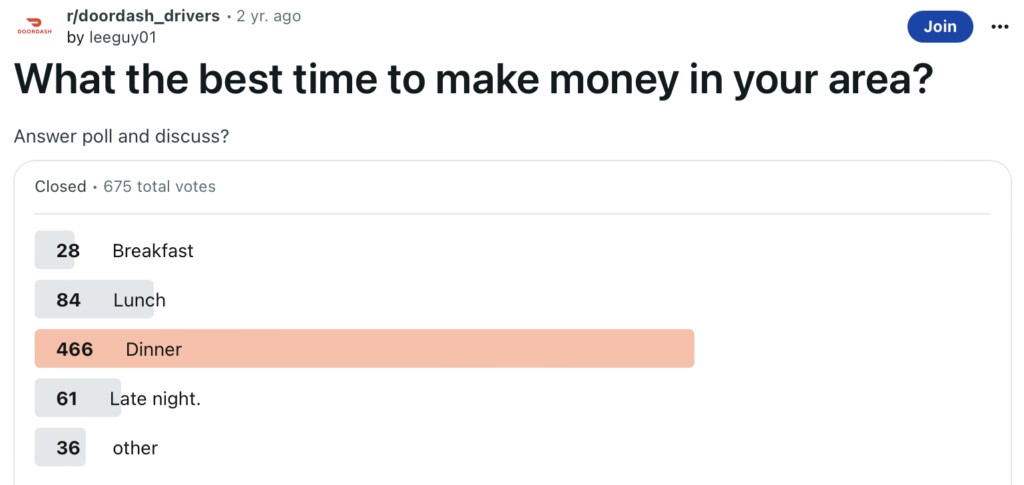
Not every hour pays the same in every place—your best earning windows depend on local habits. Run short experiments to find the sweet spots: try midday and evening rushes for a week each, then try late nights or early mornings to compare. Track acceptance rates, tips, and how many orders you complete per hour rather than relying on anecdotes. When you identify the most profitable windows, calendar them as regular shifts and leave lighter blocks for flexible errands or rest. Adjust when holidays or weather change customer behavior.
4. Read the Map: Learn Local Demand Zones
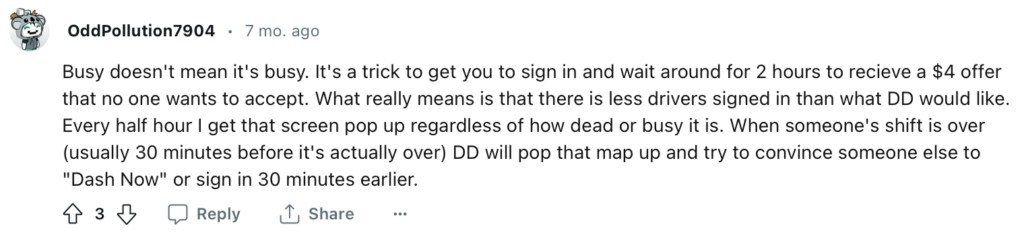
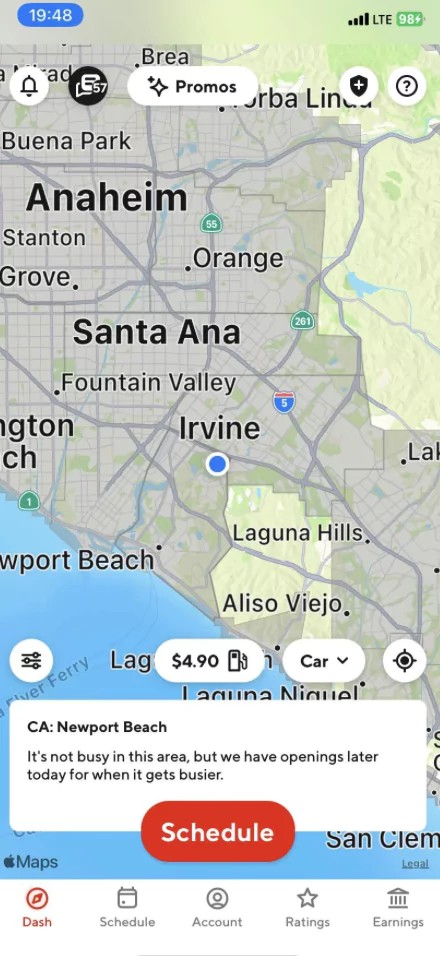
Most delivery apps highlight higher-demand pockets; learn how those areas behave at different times. Before you start driving, study activity maps and note where restaurants, apartment complexes, and office clusters generate steady orders. Keep a mental or physical list of reliable streets and blocks where pickups and drop-offs are close together. For instance, an entertainment district may be busy on weekends but quiet midday, while business parks spike at lunch. Use that local map knowledge to position yourself where pickups and drop-offs are efficient, minimizing dead miles between runs.
5. Move Between Hotspots, Don’t Camp Out
Hotspots are great starting points, but staying planted in one place can limit opportunities. Rotate between nearby hotspots to chase volume without adding long drives. If one cluster slows, head to the next busy corridor—think a block or two away rather than across town. For example, if a restaurant cluster near a shopping center cools off, try nearby neighborhoods with dense housing where deliveries tend to cluster. This flexibility helps you capture more orders while avoiding competition bottlenecks, and it keeps your routes fresh and efficient.
6. Run Multiple Apps When It Makes Sense
Using more than one delivery platform can reduce downtime and increase earnings, but it takes practice to manage. When you’re in an area with close pickups and short drop-offs, checking another app can fill gaps between orders. Keep only a couple of apps active at once to avoid juggling conflicting pickups. Have a system: accept an order, then only take extra requests that fit the same route. If a second order would cause a long detour or overlap pickup times, pass on it. Over time you’ll learn which app combinations work best in your market.
7. Learn Which Orders to Decline
Being selective about orders helps protect time and vehicle costs. Skip long, low-paying runs, massive multi-bag orders when you’re solo, and complicated requests that increase the chance of mistakes. For example, a distant pick-up for a small tip, or an order from a restaurant with a reputation for long waits, can be a net loss once fuel and time are counted. Prioritize short routes, clustered deliveries, and orders with clear drop-off instructions. A few smart declines per shift often leave you with more profitable runs overall.
8. Don’t Obsess Over Acceptance Percentages
New drivers sometimes worry that every declined order hurts their standing. In practice, choosing the right orders usually beats accepting every ping. Focus on completion, punctuality, and customer experience rather than trying to chase a perfect acceptance figure. That said, certain platform programs that reward steady patterns may consider acceptance as one factor, so balance selectivity with reliability if you’re pursuing elite status. For most drivers, a thoughtful approach—taking profitable, logistically sensible orders—yields better earnings and less stress than a blanket policy of saying yes to everything.
9. Cancel When a Pickup Becomes Unreasonable
Sometimes an accepted order turns into a poor choice: long kitchen delays, missing items, or sudden location changes can make a run unworkable. Most apps provide a reason-based cancellation path—use it instead of force-closing the job. Explain the issue briefly when prompted so the platform records the cause. For instance, if you reach a restaurant and the wait is excessive or the order is incomplete, report the delay and cancel through the proper flow. Handling cancellations professionally protects your metrics and frees you for better opportunities.
10. Treat the App as Your Operations Dashboard
The delivery app is more than a list of orders—use its tools to work smarter. Explore scheduling, filtering options, earnings breakdowns, and help features so you can make faster decisions on the fly. Set preferences for distance or pay range if available, and keep in mind how surge or incentive offers are presented. If issues arise—missing items, pay disputes, or route problems—use the support channels within the app right away. Familiarity with these features saves time, reduces frustration, and helps you act like a small business owner managing real-time inventory and routes.
11. Plan Routes Like a Pro
A reliable navigation strategy reduces wasted minutes and fuel. Use the app’s internal navigation or a trusted external GPS to preview routes before you hit the road—check alternate paths around construction or known congestion. For multi-stop runs, map the most efficient order for pickups and drop-offs, and consider side streets and parking options to avoid long circling. For example, when delivering in a dense downtown area, select a route that minimizes left turns and allows quick curbside stops. A mounted phone and voice navigation keep your hands free and your attention on the road.
12. Confirm Orders Before You Leave the Restaurant
A quick check at pickup prevents the most common mistakes that lead to refunds and low ratings. Compare items against the app, confirm special requests such as extra sauces or substitutions, and make sure containers look secure. When in doubt, open a single bag to verify fragile items. If something is wrong, ask the restaurant staff to fix it or log the issue with the platform before you leave. This upfront attention saves customers disappointment and saves you the time of returning for corrections or handling complaints on delivery.
13. Keep Food Hot and Cold with Purpose-Built Bags
Insulated carriers are a small investment that improves the customer experience and often boosts tips. Use separate compartments or two bags to keep hot entrees and cold items apart; stack drinks upright to prevent spills. For example, a pizza box deserves a flat, insulated surface while ice cream benefits from dedicated cold space. Clean and maintain your bags so they look fresh and professional; a clean carrier reassures customers about hygiene. Proper temperature control reduces complaints and helps you stand out as a reliable, careful driver.
14. Add Thoughtful Extras When Appropriate
Small, free items like napkins, condiments, or a friendly handwritten note can brighten a delivery and lead to better tips. Before tossing extras into a bag, confirm they’re complimentary and won’t upset the restaurant. A simple example: include a few extra packets of sauce when they’re freely available—no substitutions or paid items. Keep these extras modest and respectful of the restaurant’s offerings. These little gestures cost you almost nothing but can make a big difference to a customer’s impression and their likelihood to tip well.
15. Make Service Your Competitive Edge
Exceptional service is often the difference between a routine run and an excellent tip. Communicate proactively: text when you’re en route or if something unexpected occurs, follow delivery instructions carefully, and be polite and concise during handoffs. Small habits—greeting customers by name, offering to place the order in a chosen spot, or confirming identification when requested—build trust. For example, if a building has a preferred drop-off location, follow that instruction without prompting. Reliable, warm service builds repeat customers and stronger ratings over time.
16. Project a Professional Image
Looking neat and approachable affects how customers perceive your service and can influence tips. Wear clean, weather-appropriate clothing and keep visible name badges or a simple brand color to signal your role. Avoid overly casual or messy attire that might suggest you don’t care about the delivery. A tidy appearance also sets the tone for professional interactions at restaurants and can help defuse tense situations. Combine a professional look with friendly communication and punctuality to reinforce the impression of reliability.
17. Stock Your Car Like a Mobile Office
Treat your vehicle as a small workplace: keep a kit of essentials within easy reach so deliveries go smoothly. Handy items include hand sanitizer, a compact flashlight, spare pens, tape or small clips to secure bags, and a simple first-aid kit for minor issues. A small organizer or tote keeps these items tidy and easy to find. For example, use a zippered pouch for receipts and a dedicated container for tips to avoid mix-ups. A prepared car saves time, reduces stress, and reinforces a professional delivery experience.
18. Power Up: Keep Your Phone Charged and Ready
Your phone is the lifeline of every shift—don’t let battery anxiety cost you orders. Use a reliable car charger and carry a compact power bank for days when you spend long hours on the road. Close unused apps, enable battery saver modes when practical, and keep navigation and music apps optimized to avoid rapid drain. As a simple routine, plug in at the start of each shift and check battery percentage before accepting multi-stop runs. A charged device means you won’t miss pings, updates, or customer messages.
19. Make the Road Enjoyable with the Right Audio
Long hours behind the wheel are easier when you enjoy the soundtrack. Curate playlists that keep you alert: upbeat tracks for busy shifts, calming music for slow periods, and informative podcasts when you want to learn or pass the time. Rotate content so it doesn’t become background noise. Be mindful to keep volume at a level that preserves situational awareness and never fiddle with audio controls while driving—set playlists or podcasts before you move. The right audio can help your mood and focus for better performance during a shift.
20. Schedule Breaks to Stay Effective
Short, regular breaks help maintain steady performance and reduce fatigue. Build pauses into your day—step out to stretch, walk a few minutes, or enjoy a quick snack in a safe spot between busy blocks. Use quieter stretches to refuel and reset: a 15-minute break can refresh concentration and reduce the chance of mistakes. If you’re doing a long shift, plan a longer rest so you aren’t driving tired. Treat rest time as part of your productivity plan; you’ll likely be sharper, safer, and better at customer service after a proper break.
21. Bring Water and Avoid Energy Slumps
Hydration is a simple comfort that supports clearer thinking and steadier driving. Carry a refillable bottle and top it up during breaks, especially on warmer days. Pair water with small, balanced snacks rather than relying solely on sugary or highly caffeinated drinks that can lead to energy crashes. For example, a bottle of water and a handful of nuts between runs can be more sustaining than a sweet beverage. Small planning steps like this keep you more comfortable on the road and help you focus on safe, efficient deliveries.
22. Make Safety Your Default Mode
Upholding basic road safety protects you, your vehicle, and your earnings. Observe speed limits, keep a safe following distance, and avoid risky maneuvers to reduce wear on your car and minimize the chance of incidents that could sideline you. Secure orders in the trunk or carrier area to prevent spills and keep your hands free for driving. A calm driving style also reduces fuel use and repair costs over time. Prioritizing safety helps ensure you can keep working reliably and preserves the trust of both customers and platform partners.
23. Stay Aware of Your Surroundings and Parking
Good situational awareness makes pickups and drop-offs faster and safer. Scan for safe, legal parking options and drop-off points—well-lit, visible spots reduce the risk of issues and speed up customer handoffs. Avoid areas with known hazards like flooded streets or ongoing construction, and watch for changing conditions like heavy pedestrian traffic. If a location feels unsafe, move to a nearby, safer spot and communicate your plan with the customer. Observant drivers finish deliveries more smoothly and avoid time-consuming problems.
24. Factor Fuel Efficiency Into Vehicle Decisions
Fuel is a major ongoing cost for delivery drivers, so vehicle choice and maintenance matter. If you’re buying or renting a car primarily for deliveries, consider models known for good mileage or lower operating costs, and keep the vehicle well-maintained—proper tire pressure, timely oil changes, and removing excess weight all help. Even small behaviors—avoiding unnecessary idling and smoothing acceleration—can stretch a tank further. Think of your vehicle as a central business expense and make choices that keep operating costs predictable and manageable.
25. Log Income and Costs After Every Shift
To know whether a strategy is working, track both earnings and expenses. Record what you earn per shift and subtract the related costs—fuel, parking, tolls, and minor maintenance—so you see true net income. Use a simple spreadsheet or a dedicated app to note per-shift totals and mileage. Reviewing these records weekly reveals which hours, neighborhoods, and order types are most profitable. For example, you might find that a slightly shorter shift near a cluster of apartment buildings yields better net pay than a longer shift with many long-distance runs.
26. Save Tips into a Dedicated Fund
Set aside tips as a separate savings stream to pay for vehicle upkeep or occasional treats. Use a small jar, envelope, or a designated account for cash and make a habit of transferring digital tips to that fund regularly. For instance, reserve tips for non-routine costs such as tire replacement, oil changes, or unexpected repairs—having a cushion prevents these expenses from wiping out weekly earnings. Treating tips as committed savings helps you manage the business side of gig work and reduces the stress of surprise bills.
27. Use On-Demand Payouts Sparingly
On-demand payout options provide quick access to funds for a fee. They’re useful in short-term emergencies but using them constantly chips away at your income. Evaluate the trade-off between immediate cash and recurring fees—if you consistently need daily access to earnings, plan a budget or set aside part of weekly pay to avoid repeated charges. Reserve instant payouts for true cash-flow needs, and rely on standard payment cycles when possible to preserve more of what you earn over time.
28. Organize Receipts and Mileage for Tax Time
Treat tax season like an expected operating expense by keeping tidy records throughout the year. Use a mileage tracker app or a simple log to record business miles, and scan receipts for fuel, maintenance, and supplies. Consider a separate bank card for business-related spending to make reconciliation easier. When you collect these records consistently, tax filing is smoother and you’re better positioned to claim legitimate work-related expenses. If the numbers ever get complex, a short consultation with a tax professional can save time and reduce errors.
29. Shadow an Experienced Driver for Real-World Hacks
A seasoned dasher can short-circuit your learning curve with practical tricks for routing, parking, and customer interactions. Ask a local driver if you can ride along on a shift or swap notes over coffee about neighborhood patterns and restaurant quirks. Mentors often share simple efficiencies—best places to park near certain venues, which restaurants are fast, and how to read surge signals. Those tips, learned in the field, complement what you see in the app and can quickly improve your productivity and earnings.
30. Join a Driver Community for Support and Alerts
Online forums and local groups are valuable resources for quick problem-solving and community knowledge. Join groups where drivers post real-time updates about closed roads, busy streets, restaurant practices, and occasional opportunities like stacked incentives. Local meetups also provide peer support, gear swaps, and a chance to trade ideas. For example, a community post might warn about a temporary kitchen slowdown at a popular spot or recommend a better staging area near a busy complex. Being plugged into a group keeps you informed and less isolated on the road.
Small, consistent changes to how you plan, pick orders, and serve customers will compound into more reliable earnings and less stress. Try a few ideas at a time, track the results, and keep the ones that fit your schedule and local market.