Turn Handmade into Profit: A Practical Roadmap for Craft Sellers
If you love making things with your hands, you can shape that joy into income without losing the creative spark. This guide walks you through choosing what to make, how to price and sell it, and practical steps to grow a sustainable handmade business. Each section focuses on one core idea from research and translates it into concrete examples you can use today.
1. What Sells Best: Picking the Right Craft Categories
Some categories consistently attract buyers because they meet everyday needs or make memorable gifts. Think wearable items, beauty and self-care pieces, personalized presents, fabric goods, and paper creations. To test demand, list a small batch of different product types—like a few pairs of earrings, a soap trio, a printed art card, and a tote—and track which gets clicks and messages. Use that feedback to narrow your focus. Example: if personalized tumblers and handmade cards outperform others, double down on customization and add matching packaging to create cohesive shop collections that appeal to repeat customers.
2. Before You Begin: Business-minded Habits for Crafters
Treating your hobby like a business makes the difference between occasional sales and sustainable profit. Start by listing fixed and variable costs—materials, tools, shipping, platform fees, and the hours you spend creating and promoting. Decide whether you’ll make one-of-a-kind pieces or scalable bestsellers and plan inventory accordingly. Practical example: if you choose scalable items, buy supplies in bulk and create a simple production schedule so you can fulfill larger orders without last-minute stress. Also keep a running log of time spent on sourcing, making, and customer service to help evaluate what earns you a living wage.
3. Pricing That Works: Cover Costs and Respect Your Time
A price should cover material costs, overhead, and your labor while staying attractive to buyers. Start by totaling raw material cost per item, adding a fair hourly rate for your time, and factoring in packaging and platform fees. Then compare similar listings in your market to see where you fit—are you a budget option, a mid-range maker, or a premium artisan? Practical example: if a scented candle costs $5 in supplies and takes 30 minutes to make, calculate a labor portion that reflects your experience and the market; consider offering bundled discounts, like ‘buy two get 10% off,’ to increase average order value.
4. Where to Sell: Choosing Platforms and Offline Spaces
The right sales channels depend on your product and audience. Online marketplaces can give immediate exposure, while your own shop offers better margins long-term. Local craft fairs, farmer’s markets, and pop-up shops are great for testing new designs and getting direct feedback. Practical example: list a small inventory on a popular marketplace to learn search-term trends, while running a simple shop on your own website to collect email subscribers. Pair that with occasional local events to build a loyal, local customer base and gather product photography and customer testimonials.
5. Ways to Boost Profitability Without Burning Out
Profit grows when you reduce costs and increase perceived value. Streamline production by batching similar tasks—cutting multiple patterns at once, or doing all finishing steps in one go. Source materials from wholesalers or reclaim and repurpose thrift finds for unique, low-cost elements. Increase perceived value with thoughtful packaging, care instructions, and story-driven product descriptions. Practical example: offer a premium gift-wrapping add-on or a limited-edition seasonal line to test higher price points; track which changes increase sales or attract repeat customers and scale what works.
6. Jewelry That Sells: Small Pieces, Big Appeal
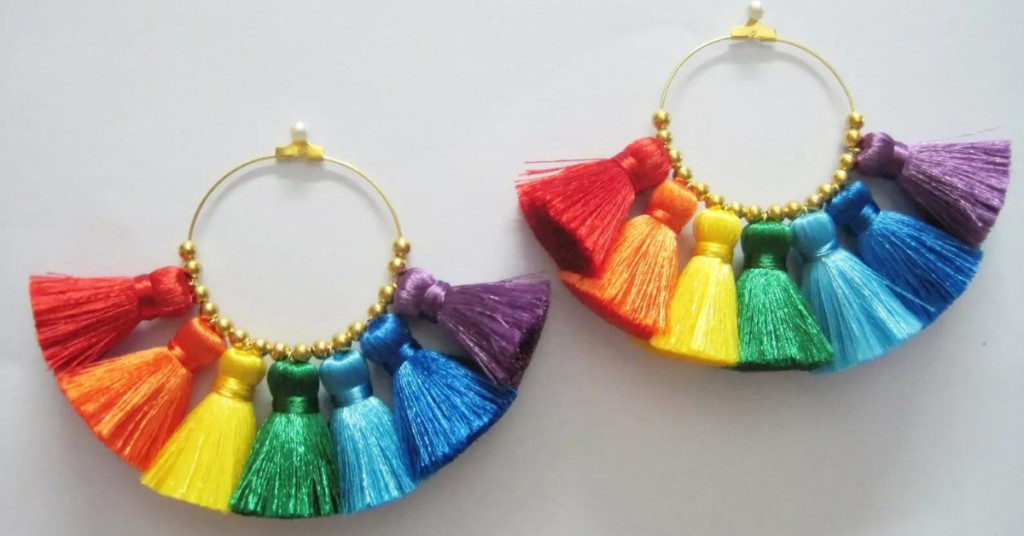
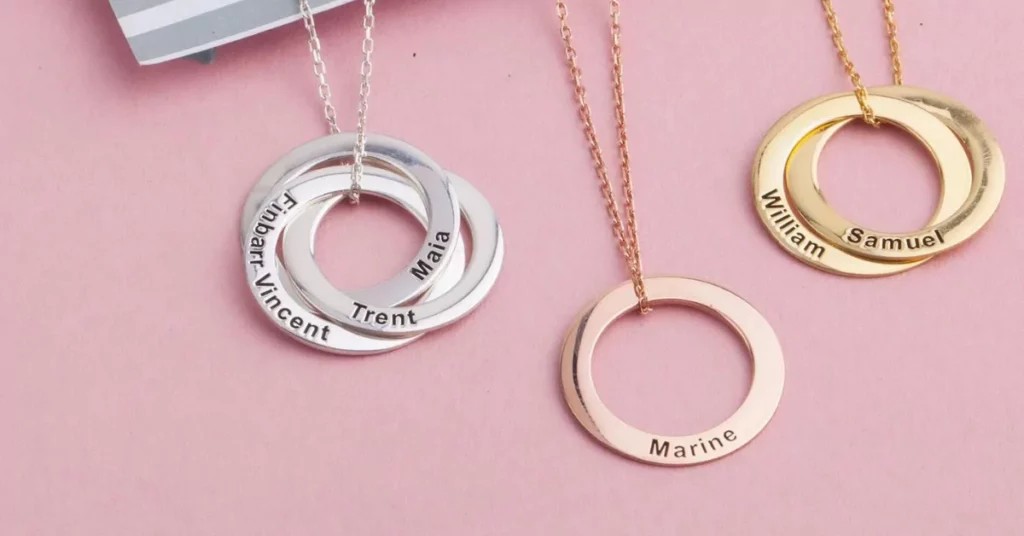
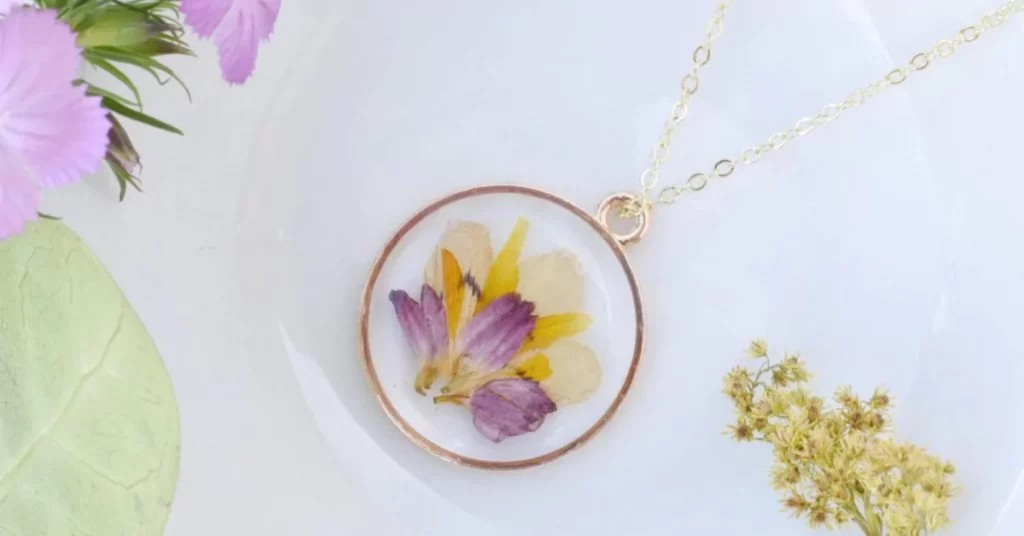
Jewelry is compact to ship, diverse in style, and easy to personalize—qualities that make it a popular seller. Consider starting with accessible projects like tassel earrings or wire-wrapped rings, then expand into resin pieces or stamped metal as your skills and tools grow. Practical examples include offering initial necklaces for personalization, upcycling vintage beads into new designs, and creating themed collections (e.g., minimalist, nature-inspired, or bridal). Clear photos that show scale and a short story about materials or inspiration can help buyers justify higher price points.
7. Fabric Finds: Wearables and Home Textiles to Offer
Fabric crafts range from quick-sew items like tote bags and scarves to larger investments like tufted rugs. Low-cost, easy-to-produce items—reusable totes, pillow covers, and children’s clothing—can appeal to budget-conscious shoppers, while textured items like chunky knit blankets or tufted mats can be marketed as premium home accents. Practical ideas: create a seasonal scarf lineup using leftover fabric, sell pillow covers with interchangeable inserts, or offer a custom sizing option for kids’ garments. Use fabric swatches and care labels to increase buyer confidence in online purchases.
8. Beauty and Bath: Simple Makers with High Gift Potential
Handmade bath and beauty items can be produced in small batches with minimal equipment and sell well as gifts or self-care treats. Focus on safe, properly labeled products and avoid health claims. Popular items include cold-process or melt-and-pour soaps, bath salts packaged for a spa-like experience, lip balms, and body scrubs. Practical approach: assemble themed gift sets—like a ‘relaxation trio’ with a soap, a scrub, and a balm—use consistent branding, and include ingredient lists for transparency. Keep batch records and storage guidelines to ensure consistent quality.
9. Paper Goods: Lightweight, Customizable, and Easy to Ship
Paper crafts are ideal for low-overhead selling: handmade cards, paper wall art, and treat boxes require minimal shipping expense and can be sold as single pieces or digital templates. Consider offering printable versions of your designs alongside physical products to reach buyers who prefer instant downloads. Practical example: create a line of handmade celebration cards, then offer matching printable invitations customers can download; sell coordinating treat boxes for party favors and provide bulk discounts for wedding or event orders to increase order size.
10. Personalized Gifts: Charge More for Custom Touches
Customization adds perceived value and creates emotional connections that encourage purchases. Laser-cut name signs, monogrammed cups, and custom milestone items like baby cards are popular year-round and peak around holidays and celebrations. Streamline personalization with templates and clear customization fields at checkout to avoid back-and-forth. Practical tactic: offer tiered personalization—basic (initials), standard (name + date), and premium (custom design)—so buyers choose the level of investment they want. Include mockups and turnaround times in listings to set expectations and reduce inquiries.
11. Selling Original Art: Finding the Right Buyers for Your Work
Original art can command premium prices when positioned for the right audience. Decide whether you’ll sell originals, prints, or both—prints allow affordability and broader reach while originals build prestige. Build a cohesive portfolio and present work in context (framed on a wall or styled in a room) so buyers can envision it at home. Practical steps include offering limited-edition prints, providing size and framing options, and partnering with local shops or galleries for consignment. Share the inspiration behind pieces to help buyers connect emotionally and justify higher price points.
Turning crafting into income takes planning, deliberate pricing, and thoughtful selling channels. Start small, test products and markets, and refine processes that save time or add value. With attention to costs, clear presentation, and a focus on items that match your strengths, your handmade hobby can become a reliable source of earnings while staying creatively rewarding.