How to Sell Stuff Locally: A Practical Guide to Declutter, Earn, and Connect

Clearing out the things you no longer need can free up space, calm your mind, and put a little money back in your pocket. Selling locally keeps transactions simple, builds neighborhood connections, and gives items a second life. This guide walks through starting steps, platform choices, safety measures, sustainable benefits, and handy tactics so you can turn clutter into useful cash — without stress.
1. Getting Started: Turning a Weekend Tidy into Sellable Inventory
Begin by taking a focused sweep through one area—closet, garage, or a tech drawer—and set aside anything you haven’t used in months. Separate items into ‘ready to sell’, ‘needs cleaning/repair’, and ‘donate’ piles. Photograph at least an item from each pile so you can gauge interest before committing to a full listing. Practical steps include wiping surfaces, replacing missing batteries, and pairing accessories like chargers with devices. Organizing this way saves time when you start creating listings and gives you a clear sense of what’s worth the effort to sell or better to donate locally.
2. Choosing Where to List: Match Item Types to Marketplace Styles
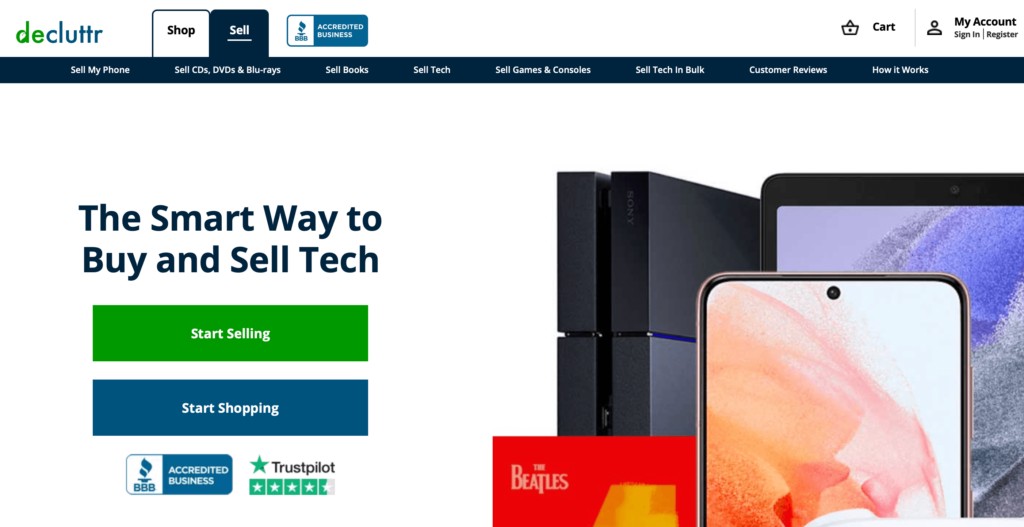
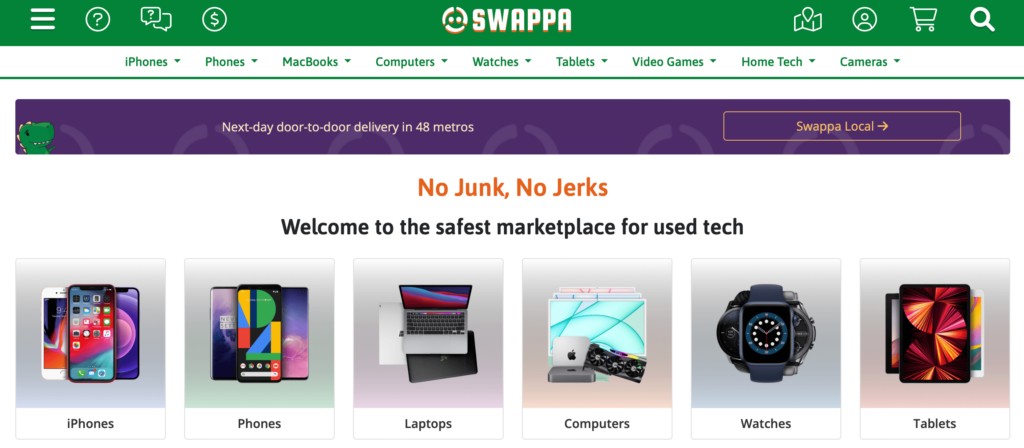
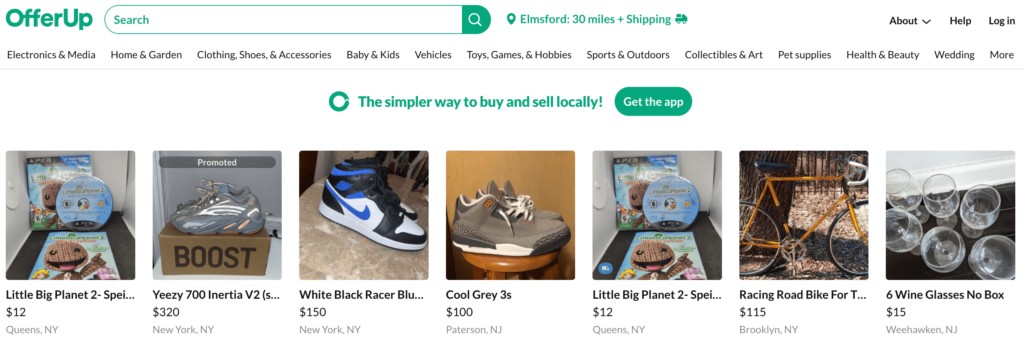
Marketplaces fall into a few useful categories: general classifieds for quick, local pickups; niche sites for fashion or electronics; consignment-style services for higher-end goods; buyback or recycling programs for older tech; and swap/exchange communities for toys and household items. Match your item to the best channel—furniture and bulky items do well on local pickup platforms, delicate vintage pieces find a better audience with specialty marketplaces, and everyday clothes move quickly on community resale hubs. Picking the right venue increases visibility and reduces time spent negotiating the wrong buyers, so spend a few minutes deciding before you list.
3. Listing That Sells: Photos, Pricing, and Honest Descriptions
Good photos and transparent descriptions are the backbone of a successful listing. Use natural light, multiple angles, and close-ups of wear or unique features. Show scale by including a common object or measuring tape when appropriate. Research similar listings to set a competitive price and decide whether to leave room for negotiation or set firm terms. Be explicit about condition, included accessories, and any flaws—buyers value honesty and listings that match reality sell faster. Practical moves: iron fabric items, charge batteries before photographing electronics, and write a short headline highlighting one selling point to draw attention.
4. Safe Exchanges: Practical Steps to Reduce Risk
Safety should be planned into every local sale. Use platform messaging rather than personal texts when possible, and avoid sharing unnecessary personal details. Arrange meetups in well-lit public areas such as café parking lots or designated safe-exchange zones that many local authorities provide. For higher-value items, bring a friend and insist on seeing payment clear before handing over an item—cash or an instant, verifiable transfer is simplest. If a buyer offers unusual payment methods or seems evasive, politely decline. Trust your instincts: it’s fine to walk away from any interaction that feels off and to relist instead.
5. Community Connections: How Local Selling Strengthens Neighborhoods
Selling locally can do more than clear clutter — it connects you with neighbors and creates small, sustainable economies. Participate in neighborhood groups, community markets, or coordinate a block sale to increase visibility and reduce shipping hassles. Swap meets or themed mini-markets (children’s gear, vintage homewares) draw targeted buyers and build goodwill. When you meet repeat neighbors through buying and selling, you create trusted exchanges that make future sales easier. Simple gestures like offering a small price break for neighbors or bundling items for a family can help move inventory while cultivating friendly local reputation.
6. Circular Living: Environmental Perks of Selling Locally
Passing items on within your community keeps usable goods out of the landfill and reduces demand for newly manufactured copies. A stroller, kitchen appliance, or gently used jacket given a second life prevents the resource and energy costs tied to producing replacements. When items stay local, transportation emissions tend to be lower than long-distance shipping, and buyers are more likely to inspect and repair goods, extending their lifespan. If an item doesn’t sell, consider donating or offering it to a repair collective—small choices like these make everyday consumption more sustainable and resource-conscious.
7. Answers to Common Questions Sellers Ask
Low offers are typical — respond calmly with a firm counter or say you’ll accept reasonable offers later; patience often pays. Offering shipping widens your audience but adds handling time and cost; if you ship, always include tracking for protection. Quick responses help close deals: a timely reply signals reliability and often seals a sale. Damaged items have buyers too, but list them clearly for parts or repair and price accordingly. If something doesn’t sell, refresh the photos, tweak the description, or reduce the price slightly. A simple return policy stated in the listing can prevent disputes and build buyer trust.
8. Making the First Move: Practical Next Steps to Start Selling
Pick one small category—shoes, kitchen gadgets, or books—and create three listings this week to get a feel for the process. Take bright, honest photos, choose a platform that matches the item type, and set a realistic price that accounts for negotiation or shipping if needed. Schedule a safe public meetup for local sales and track your messages to learn typical buyer questions. After your first sale, refine your approach based on feedback and what sold fastest. Taking that initial step turns a solitary clean-out into repeatable side income and a lighter, more orderly home.
Start with one item, pick a suitable platform, and prioritize clear photos and safety. Selling locally is a simple way to declutter, earn, and build community—one mindful listing at a time.