Small-Space Style That Feels Rich Without the Price Tag
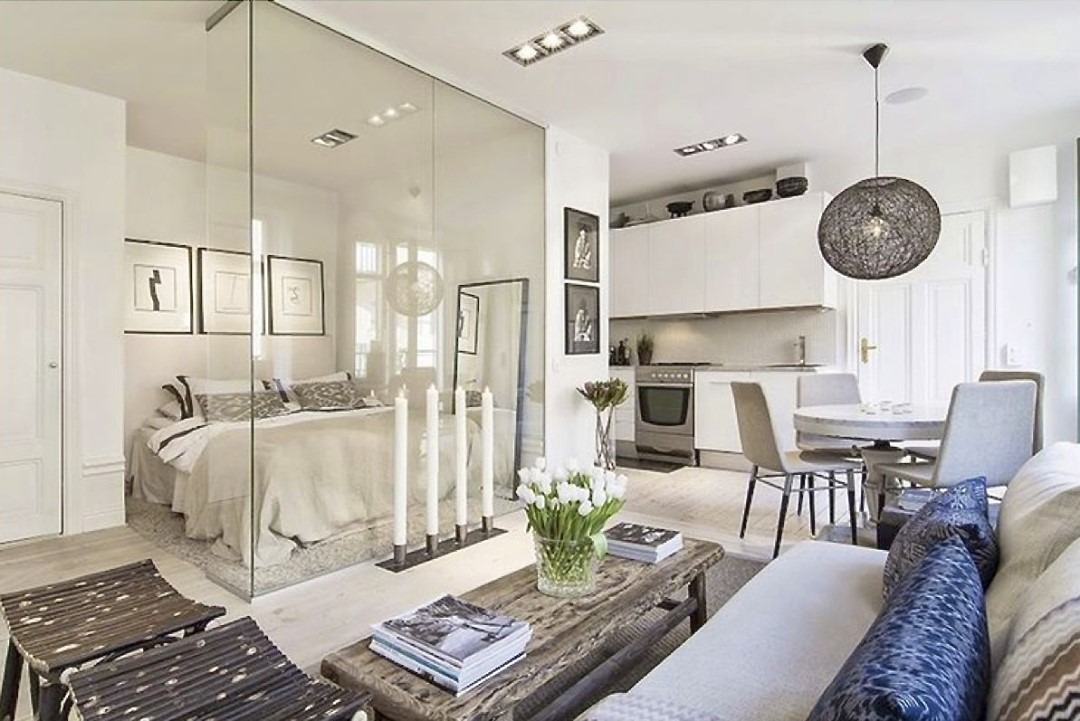
A welcoming apartment is less about buying a complete look and more about making a few deliberate decisions. A secondhand table can become a focal point when it is paired with flattering light; a narrow wall can become useful when shelves lift storage upward; and an inexpensive textile can soften a room faster than a major furniture purchase. The most convincing rooms feel personal because they mix practical pieces with objects that carry a memory, a color, or a little visual surprise.
This guide turns those ideas into six manageable decorating moves for renters, first apartments, and anyone furnishing gradually. Each section pairs a budget-conscious design strategy with a small Kitchen Pause recipe, so a home refresh can include both a better-looking corner and something comforting to enjoy there. Work in layers, shop patiently, and let function lead the styling rather than chasing a room that looks untouched.
1. Begin With a Gentle, Flexible Base
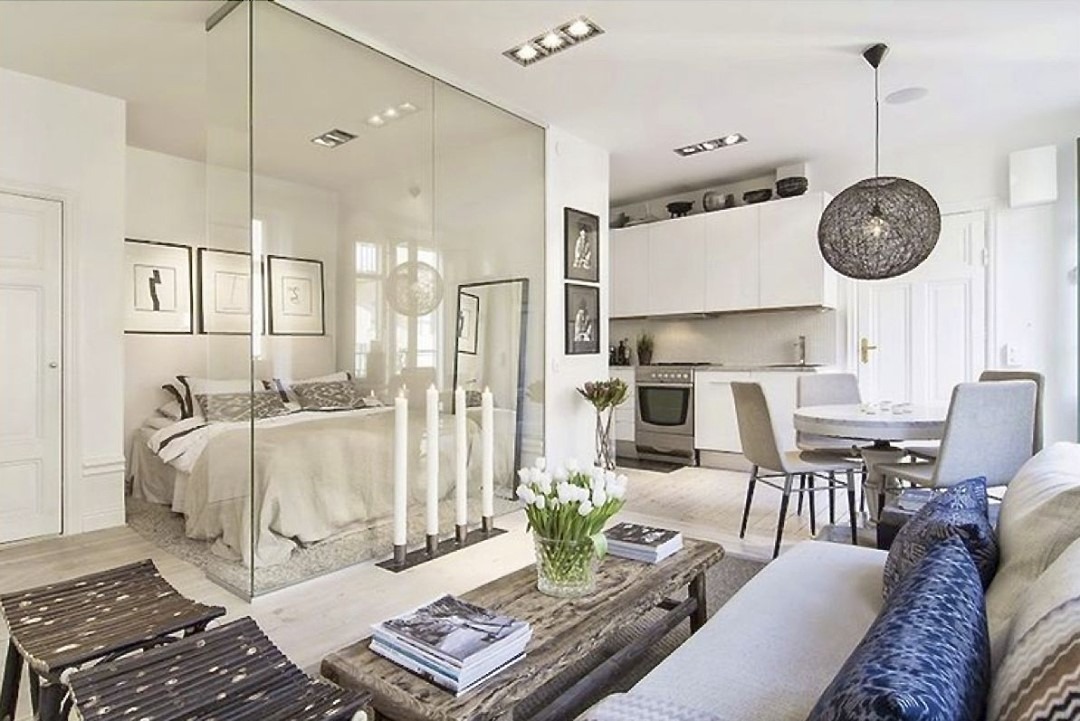
A calm foundation gives inexpensive finds room to look intentional. Start by choosing one quiet background family—warm white, oat, clay, soft gray, or muted olive—and repeat it in two or three movable elements. A washable throw, thrifted cushion covers, and a simple rug can create continuity without requiring a matching furniture set. If the apartment has strong architectural details, let them remain visible instead of competing with them; a clean arrangement often makes old trim, a tall window, or an unusual ceiling feel like a feature.
Keep the largest pieces useful and visually uncomplicated. A compact sofa with removable covers, a folding dining table, or a bench that doubles as entry seating will serve you longer than a trendy item that solves only one problem. Before shopping, measure walking paths and mark furniture footprints with painter’s tape. That inexpensive rehearsal prevents costly mistakes and reveals where empty space is valuable. Finish with one tactile accent—linen, cane, wool, or wood—so the neutral palette feels warm rather than bland. The goal is not minimalism for its own sake; it is a flexible stage that can welcome color and personality later.
Kitchen Pause: Lemon-Oat Mug Cake
- 4 tablespoons rolled oats
- 2 tablespoons flour
- 1 tablespoon brown sugar
- 1/4 teaspoon baking powder
- 3 tablespoons milk
- 1 tablespoon lemon juice
- 1 teaspoon oil
- Stir oats, flour, sugar, and baking powder in a microwave-safe mug.
- Mix in milk, lemon juice, and oil until just combined.
- Microwave for 75–90 seconds, then rest for one minute before eating.
2. Make Lighting Do the Decorating
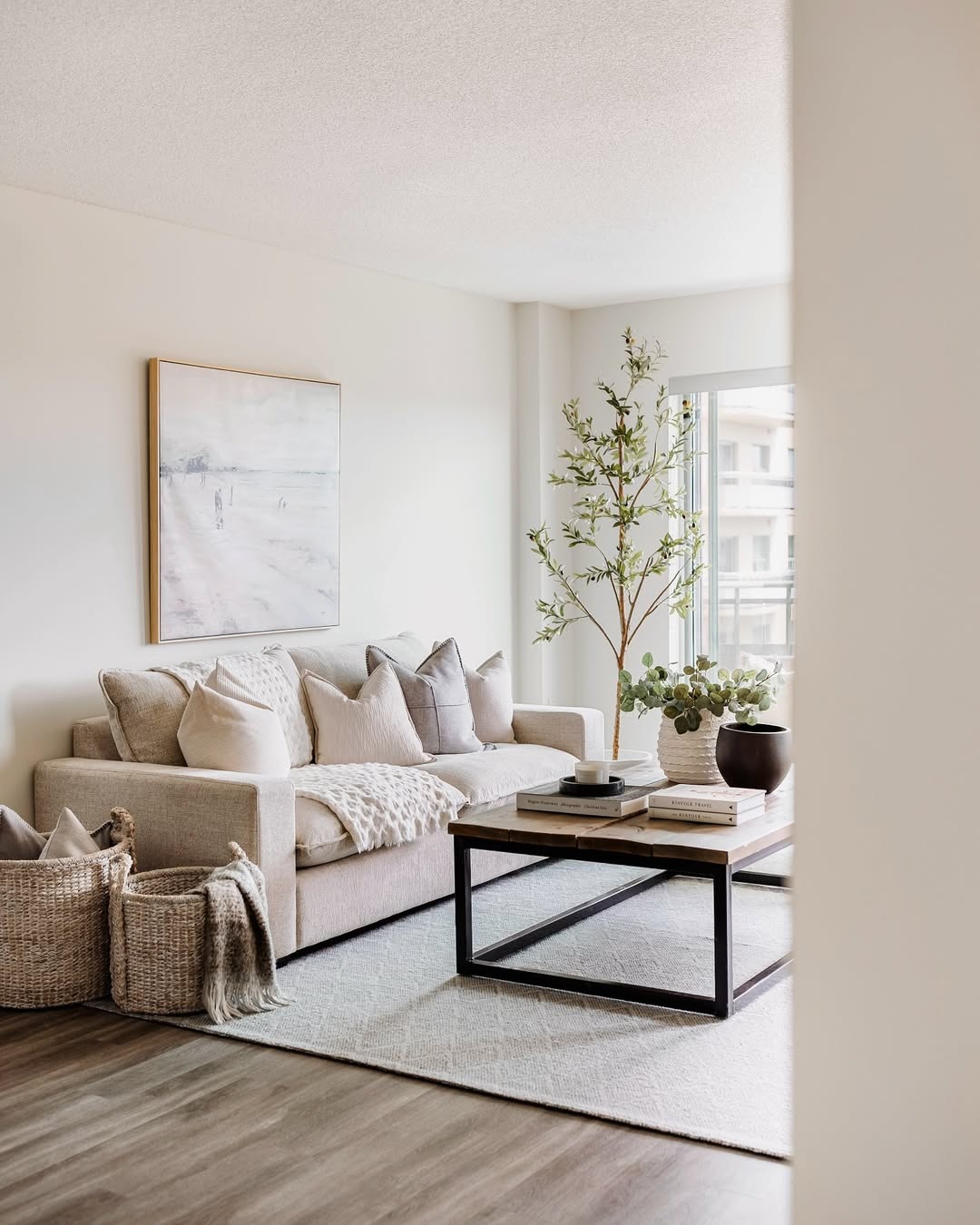
Lighting is one of the least expensive ways to change how a room feels because it changes both atmosphere and emphasis. Instead of relying on one bright overhead fixture, build three modest layers: general light for chores, a lower lamp for conversation, and a small directional source for reading or highlighting art. Secondhand lamps are especially useful because a new shade, a coat of paint, or a warmer bulb can make an ordinary base feel considered. Use plug-in sconces or adhesive-backed picture lights when drilling is not allowed, and hide cords along the back edge of furniture with removable clips.
Pay attention to where light lands. Aim a lamp toward a textured wall, a plant, or a stack of books rather than directly into the room, creating depth with what you already own. Reflective details such as a framed print under glass, a small metal tray, or a mirror opposite a window can spread daylight without adding clutter. Keep bulbs consistent in warmth so the apartment does not look patched together. A dimmer-compatible table lamp beside the sofa may deliver more daily value than a dramatic centerpiece. Once the room glows well, edit the décor: good light makes a smaller number of objects feel purposeful.
Kitchen Pause: Golden Chickpea Toast
- 1 slice whole-grain bread
- 1/2 cup chickpeas
- 1 tablespoon yogurt
- 1 teaspoon lemon juice
- 1/4 teaspoon smoked paprika
- Pinch of salt
- Sliced cucumber, for topping
- Mash chickpeas with yogurt, lemon, paprika, and salt.
- Toast the bread until crisp.
- Spoon on the chickpea mixture and top with cucumber.
3. Turn Vertical Space Into a Feature
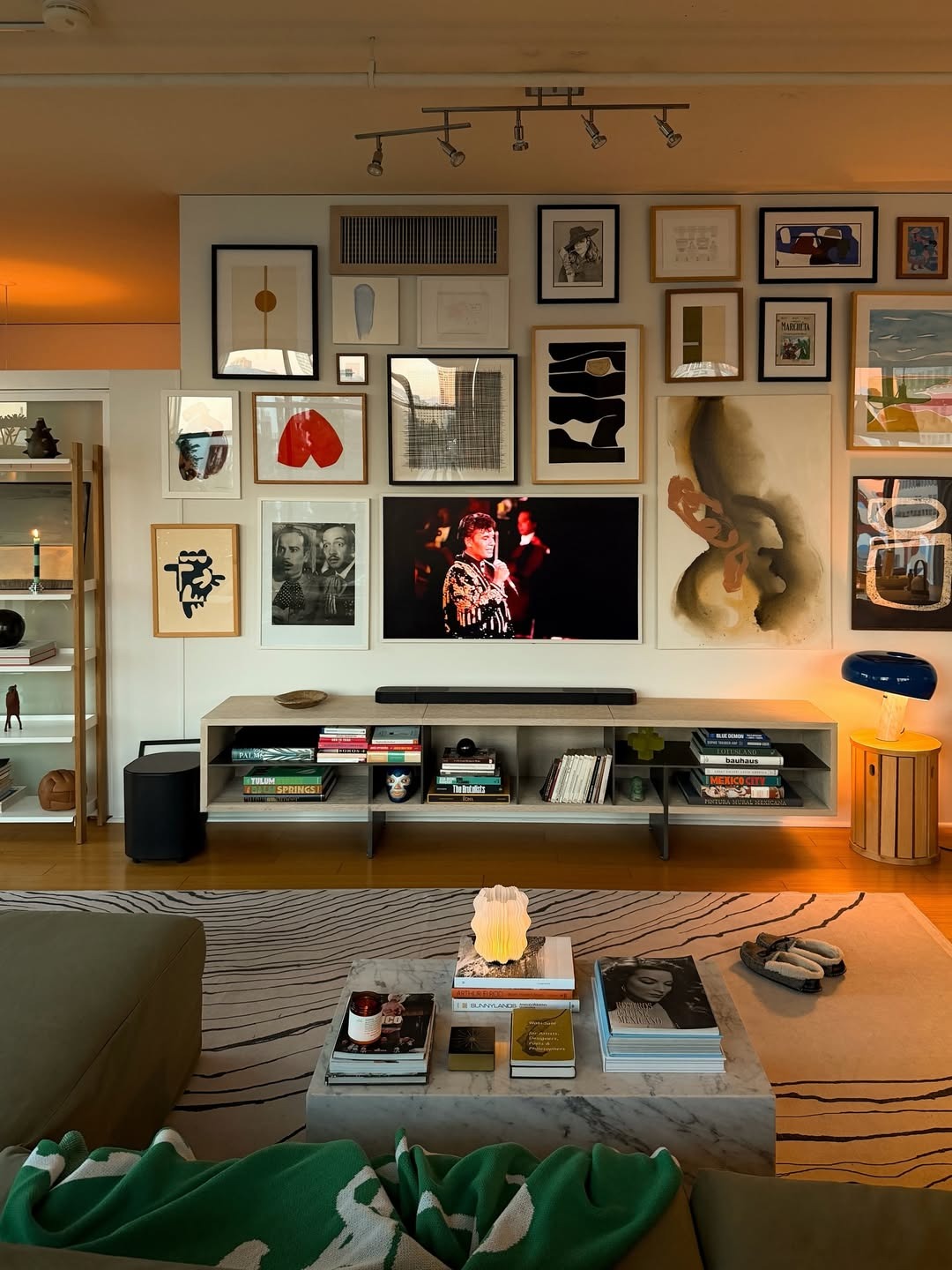
When floor area is limited, the walls should work harder. A narrow shelving unit, a rail with hooks, or a grid of floating ledges can hold everyday items while giving the eye a clear vertical rhythm. Renters can choose freestanding bookcases, tension poles, or removable hooks; homeowners can consider a simple painted pegboard or a shallow built-in. Keep the deepest storage near the floor for heavier pieces and reserve eye level for objects that are used often or worth seeing.
The secret to attractive open storage is breathing room. Group books by function, then interrupt the rows with a small plant, a bowl, or a framed postcard. Repetition creates order, while one playful shape prevents the arrangement from becoming a showroom. In a kitchen, mount a rail for utensils and keep a tray nearby for oils or seasonings; in an entry, combine hooks with a basket for mail and a small dish for keys. Use matching containers only where they improve access, not because every label must look identical. Before buying organizers, empty one shelf and observe what repeatedly lands there. The best storage plan follows real habits, making the apartment easier to maintain and more serene between cleaning days.
Kitchen Pause: Herby White-Bean Cups
- 1 cup cannellini beans
- 1 tablespoon olive oil
- 1 teaspoon red-wine vinegar
- 1 tablespoon chopped parsley
- 1 tablespoon chopped scallion
- 1/4 teaspoon garlic powder
- Lettuce leaves
- Stir beans, oil, vinegar, parsley, scallion, and garlic powder.
- Taste and add salt or pepper as desired.
- Spoon the mixture into lettuce leaves and serve.
4. Use Color in Small, Reversible Doses
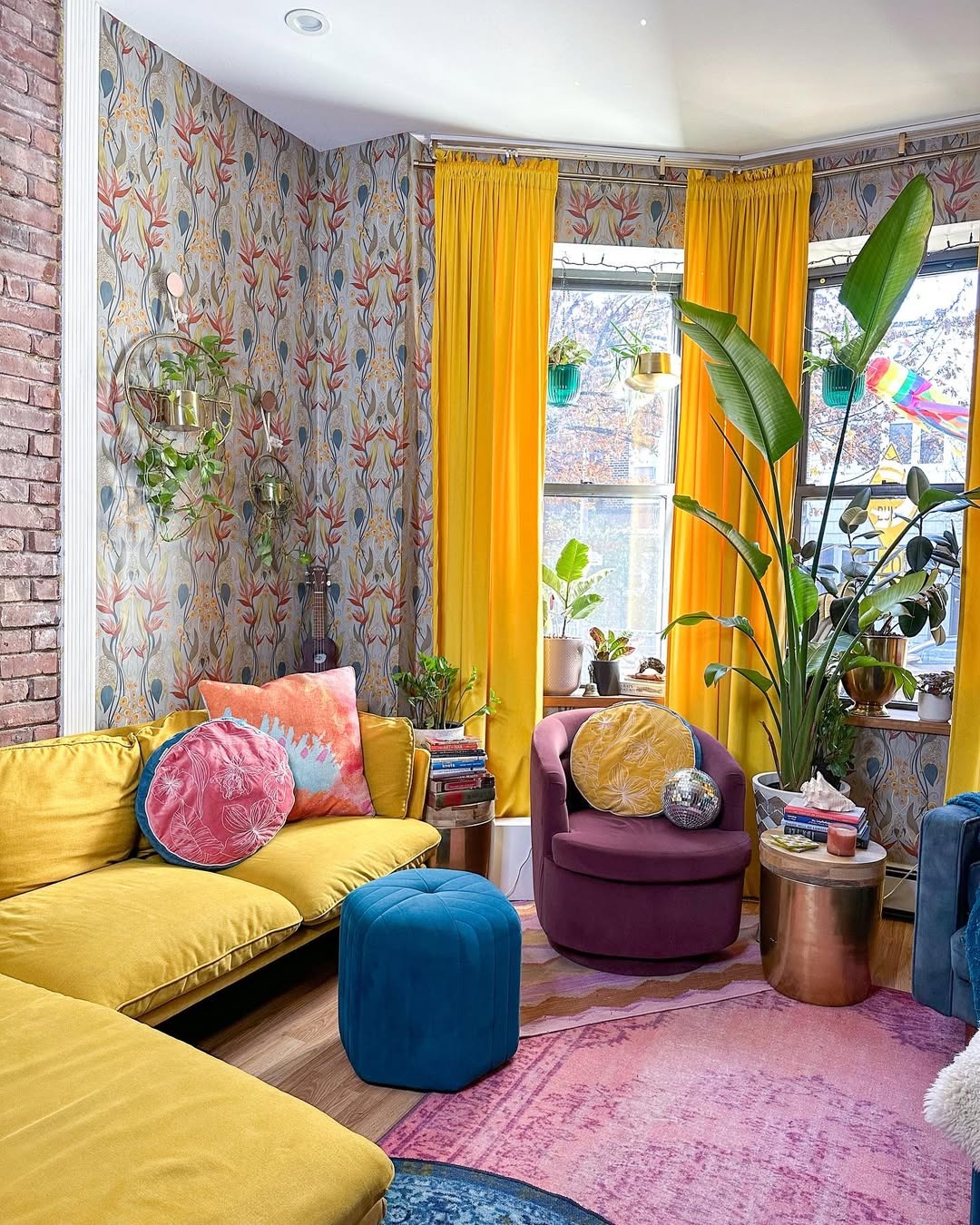
Color does not need to arrive as a permanent wall treatment or an expensive sofa. Choose one accent hue and introduce it through items that can move with you: a painted side table, a thrifted vase, a cushion, a curtain hem, or a row of art prints. If you love several colors, assign them jobs. One can anchor the room, another can add warmth, and a third can appear only in tiny notes. This keeps a lively palette from feeling accidental.
Test colors at different times of day before committing. A sample card beside the window may look crisp at noon and muddy at night, while a small accessory lets you evaluate the mood without a major investment. Try color-blocking the back of a bookcase or the inside of a closet door for impact that disappears when you move. Textiles are particularly powerful because they add pattern and softness at once, and pillow covers take up little storage between seasons. Balance saturated pieces with wood, cream, or black so the room has visual pauses. The most economical update is often editing: move one strong object away from a crowded grouping, then repeat its color somewhere across the room to make the whole space feel connected.
Kitchen Pause: Berry Yogurt Crunch
- 3/4 cup plain yogurt
- 1/2 cup mixed berries
- 2 tablespoons rolled oats
- 1 tablespoon chopped walnuts
- 1 teaspoon honey
- Pinch of cinnamon
- Spoon yogurt into a bowl.
- Add berries, oats, walnuts, honey, and cinnamon.
- Let stand for five minutes so the oats soften slightly.
5. Mix Old, Useful, and Unexpected
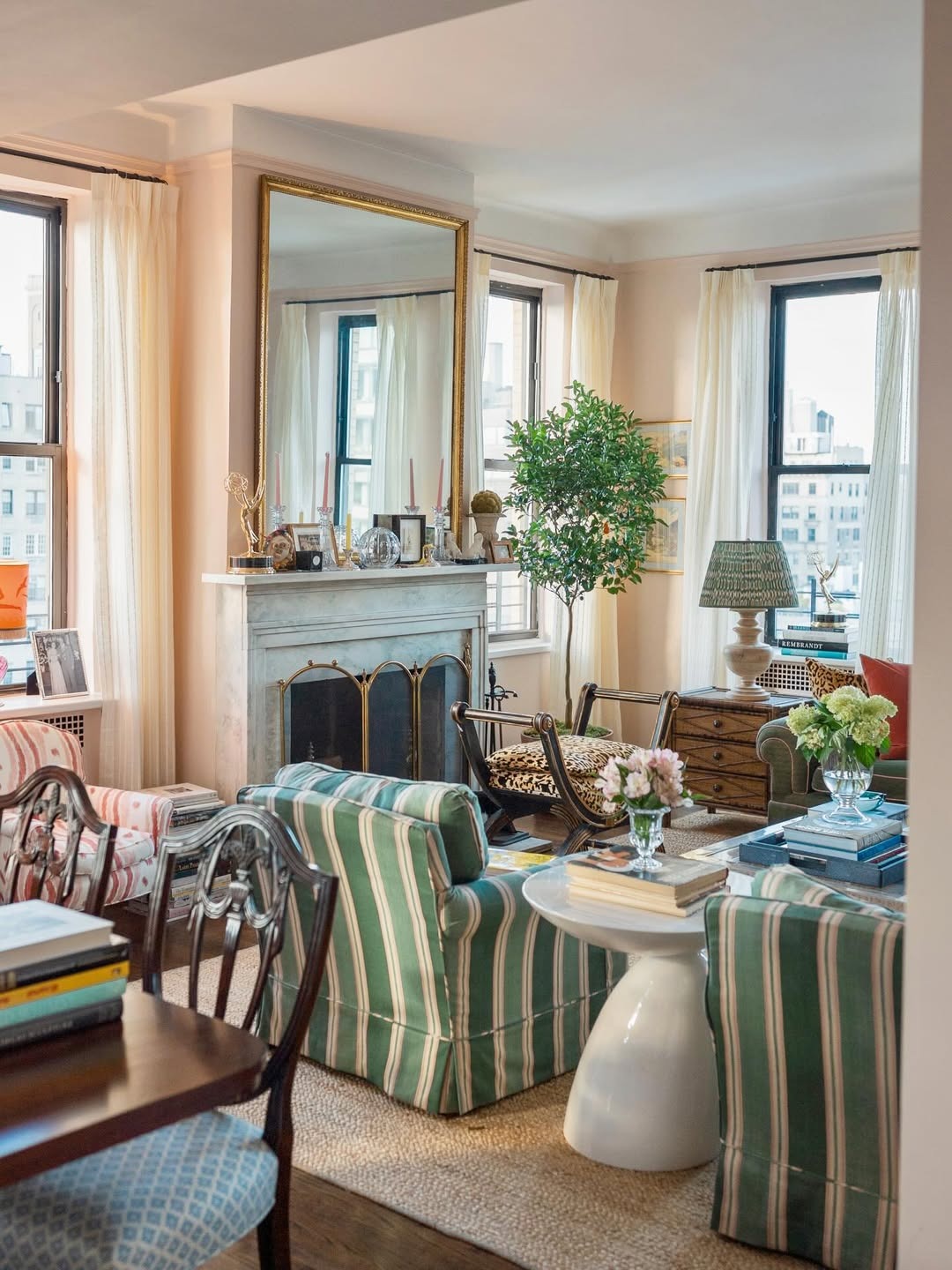
A room gains character when every piece does not appear to have arrived from the same store on the same afternoon. Look for sturdy secondhand furniture, then inspect the joints, underside, and finish before buying. A small repair, fresh hardware, or a light sanding can turn a plain find into a dependable anchor. Pair older forms with one crisp contemporary item—perhaps a clean-lined lamp, a graphic print, or a simple metal table—so the arrangement feels edited rather than themed.
Personal collections are the most affordable artwork. Display postcards, inherited dishes, travel mementos, or favorite paperbacks in small groups, but give each group a boundary such as a tray, shelf, or frame. This prevents meaningful objects from reading as visual noise. Vary height and texture while repeating one material, like brass, dark wood, or woven fiber, to connect the mix. If a purchase is beautiful but has no practical role, give it a trial period before letting it occupy prime space. A home that supports daily routines will feel richer than one filled with fragile décor. Rotate a few objects every season instead of continually buying more; the change restores interest and helps you notice what you genuinely still love.
Kitchen Pause: Warm Apple Skillet Bites
- 1 apple, thinly sliced
- 1 teaspoon butter
- 1/4 teaspoon cinnamon
- 1 teaspoon maple syrup
- 2 tablespoons chopped pecans
- 1 tablespoon plain yogurt
- Warm butter in a small skillet over medium heat.
- Cook apple with cinnamon for 3–4 minutes until tender.
- Drizzle with maple syrup, add pecans, and serve with yogurt.
6. Shape a Restful Outdoor or Window-Side Nook
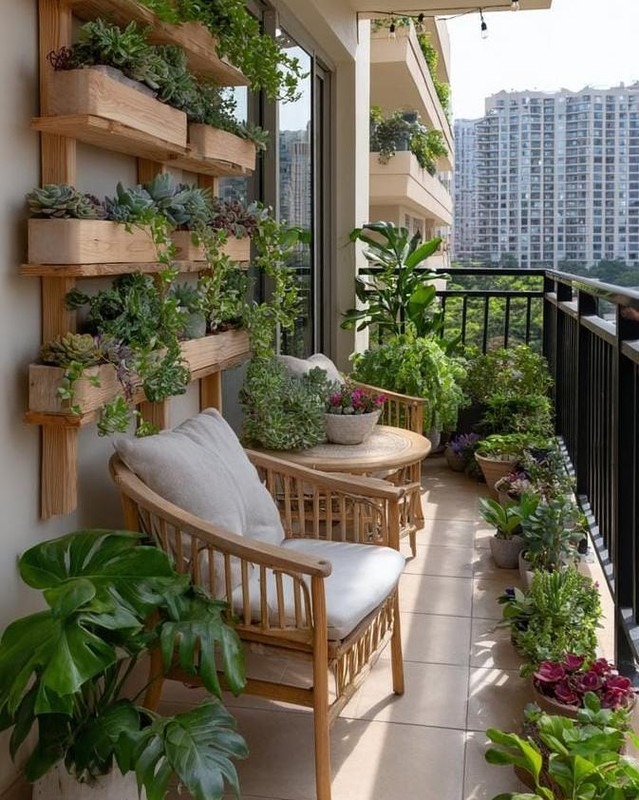
Even a narrow balcony, sill, or sunny corner can become a daily retreat when it is designed around one simple ritual. Start with a seat that fits the space and can withstand its conditions: a folding chair, a compact bench, or a floor cushion kept in a covered basket. Add a small surface for tea, a book, or gardening tools, then bring in height with a trellis, rail planter, or tall plant if the light allows. Vertical greenery preserves walking room and creates a sense of enclosure without a costly screen.
Comfort depends on the details. Choose washable fabric, secure lightweight pieces against wind, and leave enough clearance to open doors and move safely. Indoors, the same principle works beside a window: a stool, a reading lamp, and one plant can define a pocket of calm without taking over the living room. Consider how the nook looks from inside at night; a small lantern or warm lamp can make it feel like part of the home rather than an afterthought. Keep the styling restrained so maintenance stays easy. A retreat earns its place when it is ready in under a minute, inviting you to pause, breathe, and enjoy the apartment you already have.
Kitchen Pause: Cucumber-Mint Sparkler
- 1/2 cucumber, thinly sliced
- 4 mint leaves
- 1 tablespoon lime juice
- 1 teaspoon honey
- Ice
- 1 cup sparkling water
- Add cucumber, mint, lime juice, and honey to a glass.
- Gently muddle to release the flavors.
- Fill with ice, top with sparkling water, and stir.
Final Thoughts
Budget decorating works best when it treats attention as the main luxury. Measure before shopping, improve the light, use the walls, and let a few meaningful pieces carry more visual weight than a crowded collection of impulse buys. Small changes become convincing when they support the way you actually cook, rest, work, and welcome people.
Give each update time to settle before adding another. The result will be a home that feels gathered rather than purchased—comfortable, flexible, and full of small choices that make ordinary days feel more considered.