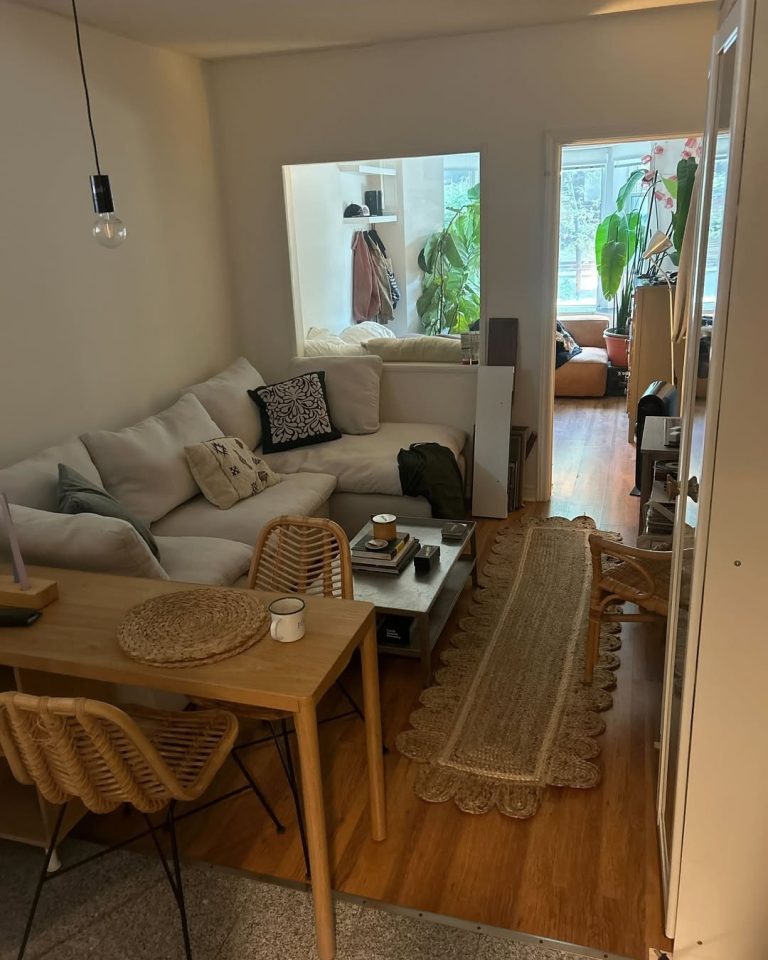
A Lighter Home: Six Smart Ways to Make Compact Rooms Feel Generous
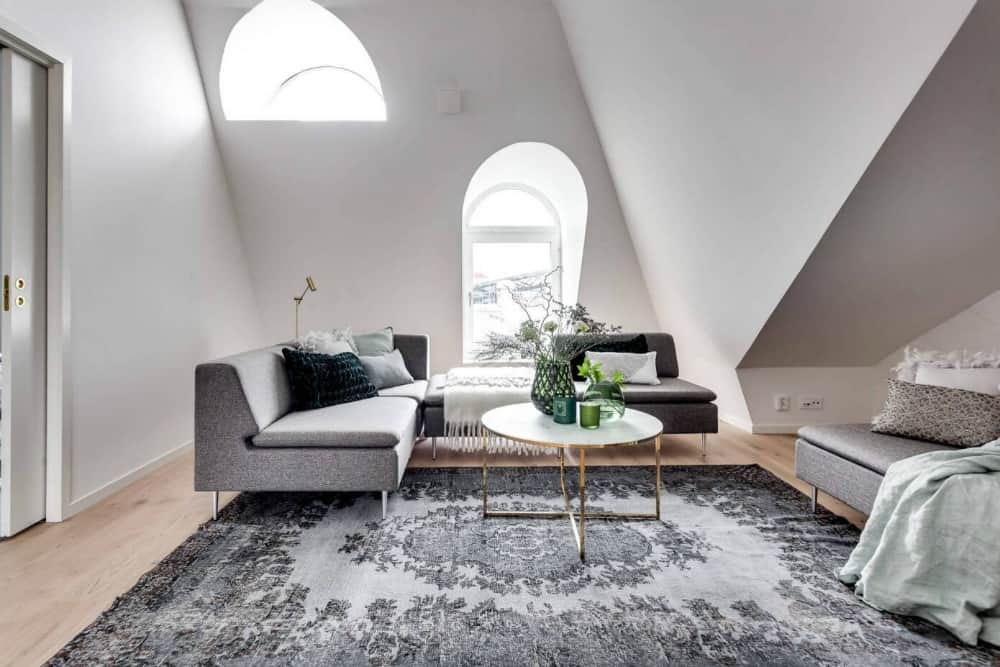
A small home does not need to feel visually busy or carefully staged to feel generous. The most effective improvements usually come from noticing how light moves, how people walk, and which everyday objects deserve easy access. When the plan responds to those realities, even an attic or compact apartment can support calm mornings, shared meals, and restorative pauses.\n\nThis guide turns airy Scandinavian-inspired ideas into practical habits for any home. The emphasis is on adaptable choices: a ceiling-aware layout, layered illumination, one confident kitchen color, thoughtful hardware, movable accents, and a balcony or window-side ritual. Each section closes with a quick Kitchen Pause recipe, because a comfortable home is ultimately measured by how naturally it helps people live, eat, and recharge.
1. Let the Ceiling Lead the Room
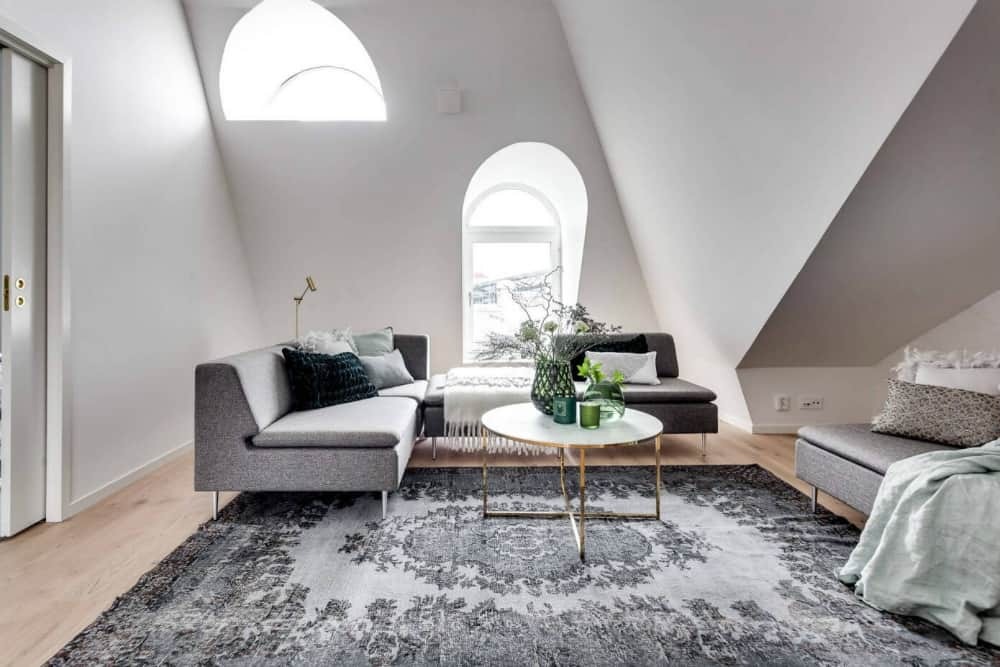
Sloped ceilings can make a home feel complicated, but they can also provide its most memorable character. Instead of forcing every furnishing into a conventional grid, begin by observing where the roof drops, where daylight gathers, and which corners invite sitting, reading, or storage. Low areas are ideal for a compact bench, a floor cushion, or a shallow cabinet; taller walls can carry art, mirrors, or a slim bookcase. This approach makes unusual architecture feel intentional rather than restrictive.
A calm palette helps the angles remain visible. Warm white walls, pale timber, and one or two muted accent colors create continuity from one zone to the next. Keep the largest pieces visually simple, then add texture through linen, wool, woven baskets, and softly rounded forms. The goal is not an empty room but a room where circulation remains obvious. Before buying anything, mark walking routes with painter’s tape and check head clearance at every low point. A little planning prevents a beautiful chair from becoming an obstacle and turns the attic’s geometry into a practical lifestyle advantage. Review the arrangement at different times of day, since shadows can change how generous a passage feels. This small adjustment keeps the room useful as seasons and routines change.
Kitchen Pause: Cinnamon Pear Yogurt Cups
Ingredients
- 1 ripe pear, diced
- 1 cup plain Greek yogurt
- 1 tablespoon rolled oats
- 1 teaspoon maple syrup
- 1/4 teaspoon cinnamon
- 1 tablespoon chopped walnuts
Instructions
- Stir the pear, maple syrup, and cinnamon together.
- Spoon yogurt into two glasses and top with the pear mixture.
- Finish with oats and walnuts; serve chilled or at room temperature.
2. Build Brightness in Layers
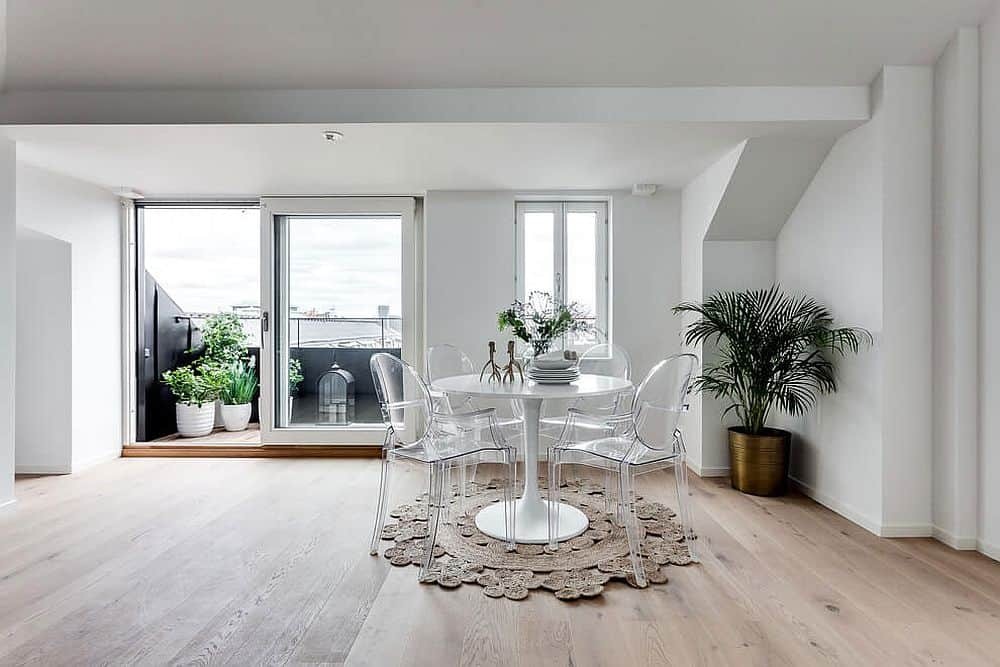
A light-filled interior is less about one dramatic fixture than about several modest decisions working together. Start with window treatments that preserve daylight: sheer panels, inside-mounted shades, or simple woven blinds can soften glare without making the room feel closed in. Place reflective surfaces across from, rather than directly beside, the brightest openings so light travels deeper into the home. Pale flooring and low-contrast rugs also help a narrow space feel more continuous.
Once daylight fades, use a three-level lighting plan. A ceiling fixture provides general illumination, a wall or floor lamp supports evening activities, and a small table lamp gives a seating corner a welcoming pool of light. Choose warm bulbs and place switches where each zone can be controlled independently. This is especially useful in open layouts, because the dining area need not be fully lit while someone reads on the sofa. For a lifestyle-friendly finish, keep a small tray near the entry for sunglasses, keys, and rechargeable lights. Brightness should make everyday routines easier, not merely make a room photograph well. This small adjustment keeps the room useful as seasons and routines change.
Kitchen Pause: Sunlit Lemon Oat Bites
Ingredients
- 1 cup quick oats
- 1/2 cup almond butter
- 2 tablespoons honey
- 1 teaspoon lemon zest
- 2 tablespoons dried cranberries
- Pinch of salt
Instructions
- Combine all ingredients in a bowl until a sticky dough forms.
- Chill the mixture for 20 minutes.
- Roll into 10 small balls and refrigerate until firm.
3. Give the Kitchen One Confident Color
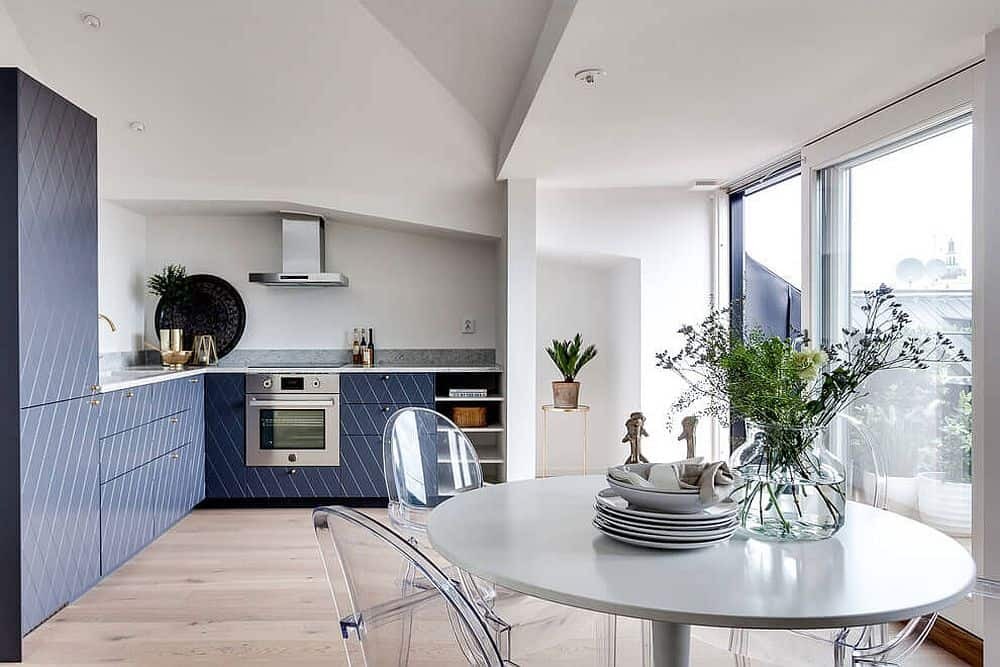
In a compact kitchen, a single saturated color can provide the structure that a larger room might get from multiple architectural features. Consider using a deep blue, forest green, or clay tone on cabinetry while keeping counters and walls quiet. The contrast makes the work area easier to read and gives the rest of an open-plan home a visual anchor. If a full repaint feels too permanent, test the idea on a pantry door, island panels, or a freestanding cart first.
Storage should be designed around habits rather than appearances. Keep everyday plates, mugs, and pans within one comfortable reach of the dishwasher or prep surface. Use drawers for heavy cookware, vertical dividers for trays, and a narrow rail for tools that would otherwise crowd the counter. Open shelving can add airiness, but reserve it for items used often and keep the display edited. A small kitchen feels more generous when every object has a landing place. Finish the scheme with one durable prep bowl, a cutting board that can double as a serving board, and a clear counter area where breakfast can happen without a full reset. This small adjustment keeps the room useful as seasons and routines change.
Kitchen Pause: Blueberry Chia Breakfast Jar
Ingredients
- 1/2 cup rolled oats
- 1 tablespoon chia seeds
- 3/4 cup milk of choice
- 1/3 cup blueberries
- 1 teaspoon maple syrup
- 1 tablespoon pumpkin seeds
Instructions
- Mix oats, chia, milk, and maple syrup in a jar.
- Fold in half the blueberries and refrigerate overnight.
- Top with remaining berries and pumpkin seeds before eating.
4. Use Small Metallic Details with Restraint
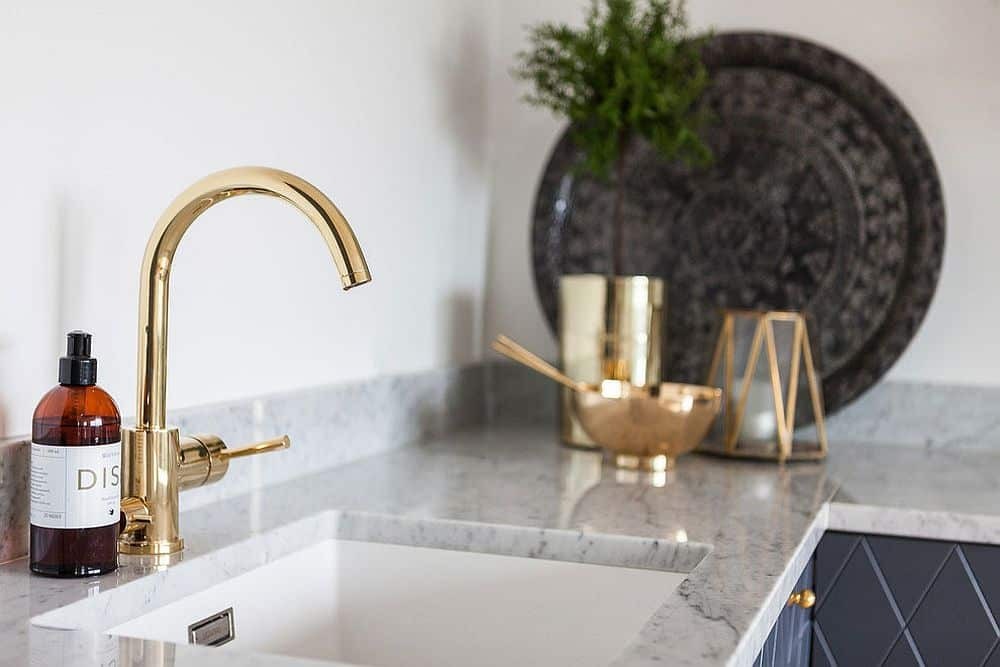
Metal accents can make a neutral home feel finished, but repetition matters more than quantity. Select one warm finish—brass, champagne, or soft copper—and repeat it in a few places such as cabinet pulls, a mirror edge, a lamp stem, or a tray. When the same tone appears at eye level and near the floor, the room feels connected without looking themed. Mixing metals is possible, but keep one finish dominant and let the second appear only in a small supporting role.
The most useful places for a polished detail are the points you touch every day. A well-shaped handle improves the experience of opening a drawer; a metal hook by the door keeps bags off the floor; a slim rail makes frequently used kitchen tools accessible. Choose finishes that tolerate fingerprints and can be cleaned with a soft cloth rather than aggressive products. Balance shine with matte textiles and natural wood so the room remains comfortable. For renters, removable hardware, framed mirrors, and freestanding lighting offer the same visual lift without a permanent renovation. A few deliberate glints can make practical routines feel pleasantly considered. This small adjustment keeps the room useful as seasons and routines change.
Kitchen Pause: Golden Apple Toast
Ingredients
- 2 slices seeded bread
- 1 small apple, thinly sliced
- 1 tablespoon ricotta
- 1 teaspoon honey
- Pinch of cinnamon
- 1 teaspoon chopped pistachios
Instructions
- Toast the bread until crisp.
- Spread with ricotta and arrange apple slices on top.
- Drizzle with honey, add cinnamon and pistachios, and serve.
5. Create a Living Accent Layer
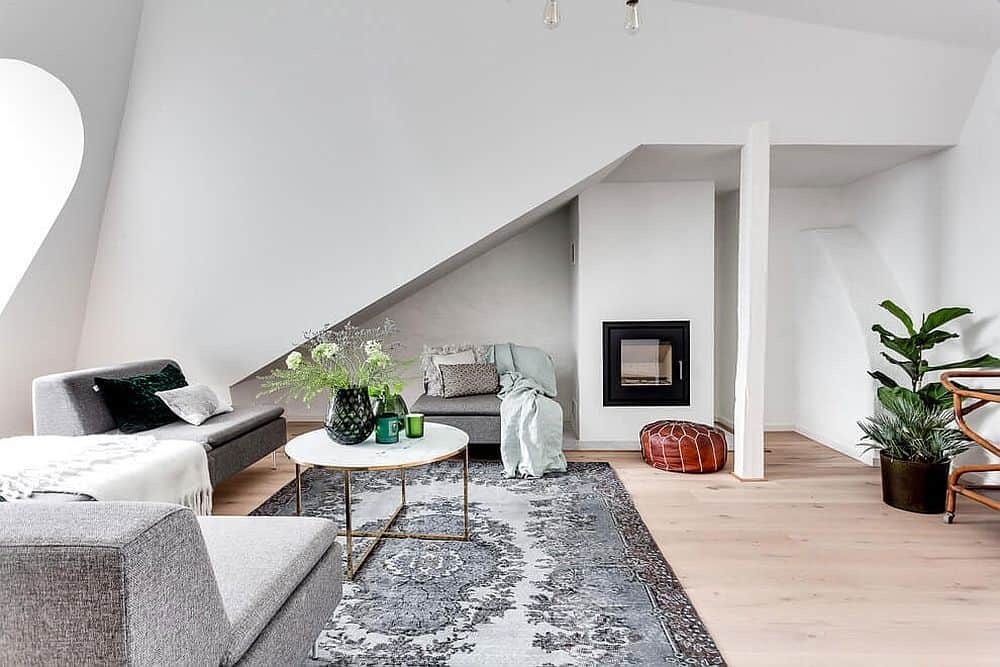
Color becomes easier to live with when it arrives in layers that can move. Plants, cushions, throws, artwork, and tabletop objects let you refresh a room without replacing its foundation. Choose one accent family—such as leafy green, dusty rose, or indigo—and repeat it in different materials rather than identical shades. A ceramic vase, a cotton cushion, and a leafy plant will feel coordinated while retaining enough variation to look collected.
Plants are particularly useful in small homes because they add height, softness, and a sense of daily change. Match the plant to the available light and your watering habits; a thriving modest plant is more valuable than an ambitious specimen in the wrong location. Group two or three pots at different heights, leaving enough space around each for cleaning and air circulation. Textiles should be equally practical: choose washable covers, reversible throws, and rugs with patterns that disguise ordinary wear. Keep a small basket nearby for folding blankets and gathering stray items. This accent layer should support real life, making the home feel fresh while keeping tidying simple enough to maintain. This small adjustment keeps the room useful as seasons and routines change.
Kitchen Pause: Green Herb Hummus Toast
Ingredients
- 2 slices whole-grain bread
- 1/2 cup hummus
- 1 tablespoon chopped parsley
- 1 tablespoon chopped dill
- 1/4 cup cucumber, diced
- Squeeze of lemon
Instructions
- Toast the bread and spread each slice with hummus.
- Scatter cucumber, parsley, and dill over the top.
- Finish with lemon juice and serve immediately.
6. Make the Balcony Part of the Daily Rhythm
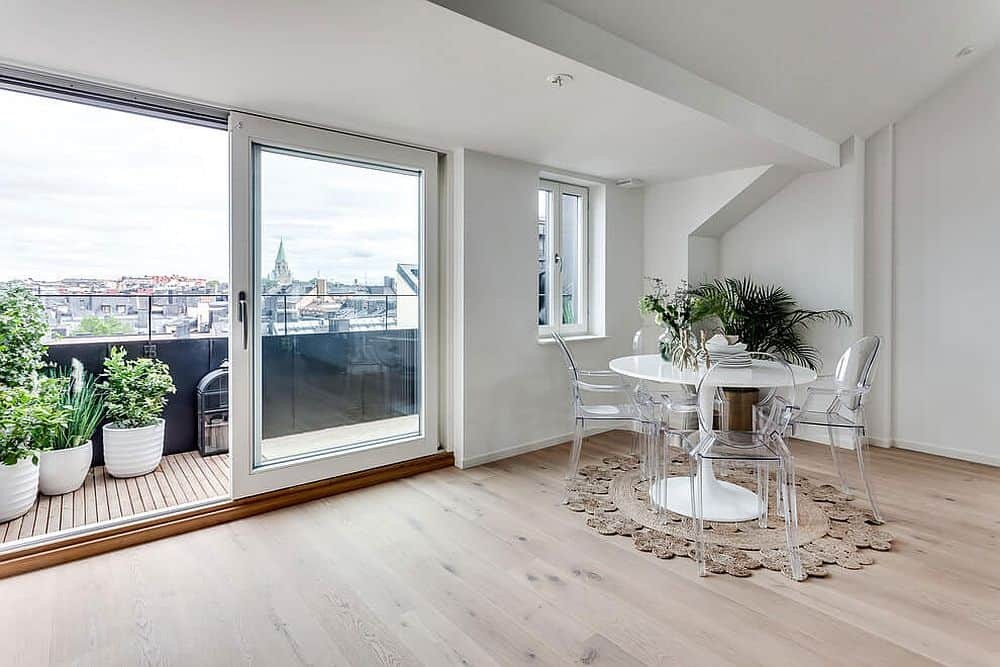
Even a small balcony can extend the usable life of an apartment when it is treated as a destination rather than leftover space. Start with one comfortable seat that fits the body and the doorway, then add a narrow surface for a mug, book, or small meal. A weather-resistant outdoor rug can visually define the area, while a planter or climbing support introduces privacy without blocking every bit of light. Keep the palette related to the interior so opening the door feels like a natural continuation of the home.
Design the balcony for more than warm-weather entertaining. A foldable chair, compact lantern, and washable cushion can support morning coffee, a short afternoon break, or a quiet evening reset. Choose plants according to wind exposure and seasonal temperatures, and use saucers to protect the floor. If storage is limited, select nesting furniture or a bench with a concealed compartment. The best balcony is not the one filled with accessories; it is the one that makes stepping outside effortless. A two-minute pause in fresh air can become a reliable household ritual when the seat is ready, the surface is clear, and the essentials are close at hand. This small adjustment keeps the room useful as seasons and routines change.
Kitchen Pause: Herbed White Bean Balcony Salad
Ingredients
- 1 cup canned white beans, rinsed
- 1/2 cup cherry tomatoes, halved
- 1 tablespoon olive oil
- 1 teaspoon lemon juice
- 1 tablespoon chopped basil
- Salt and pepper
Instructions
- Combine beans, tomatoes, basil, oil, and lemon juice.
- Season with salt and pepper and toss gently.
- Chill briefly or serve at once with toasted bread.
Final Thoughts
The common thread through these ideas is intentionality without fuss. Let the architecture inform placement, let daylight guide the palette, and let useful objects earn their space. A few repeatable colors and textures can create coherence, while flexible furnishings keep the home ready for changing routines.\n\nYou do not need a major renovation to begin. Move one chair toward the light, clear one counter, add one plant suited to your conditions, or make a small outdoor corner ready for tomorrow morning. Those modest changes can turn a compact footprint into a home that feels open, welcoming, and genuinely easy to inhabit.