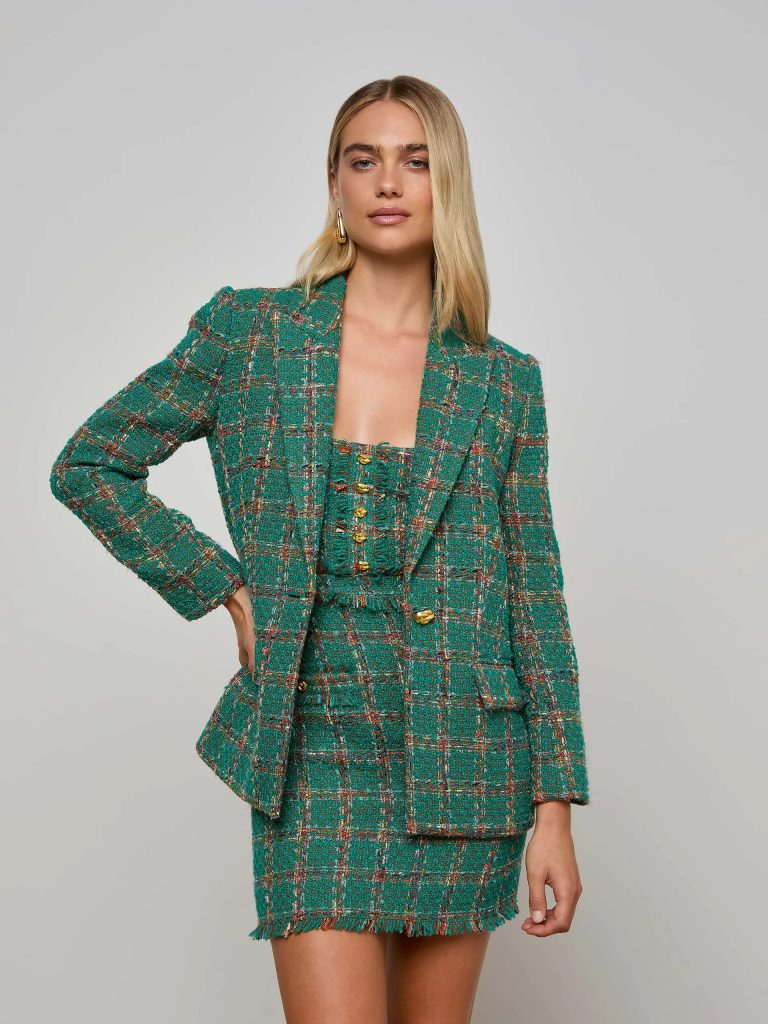
Polished Holiday Hair: A Practical Guide to Styling Festive Accessories
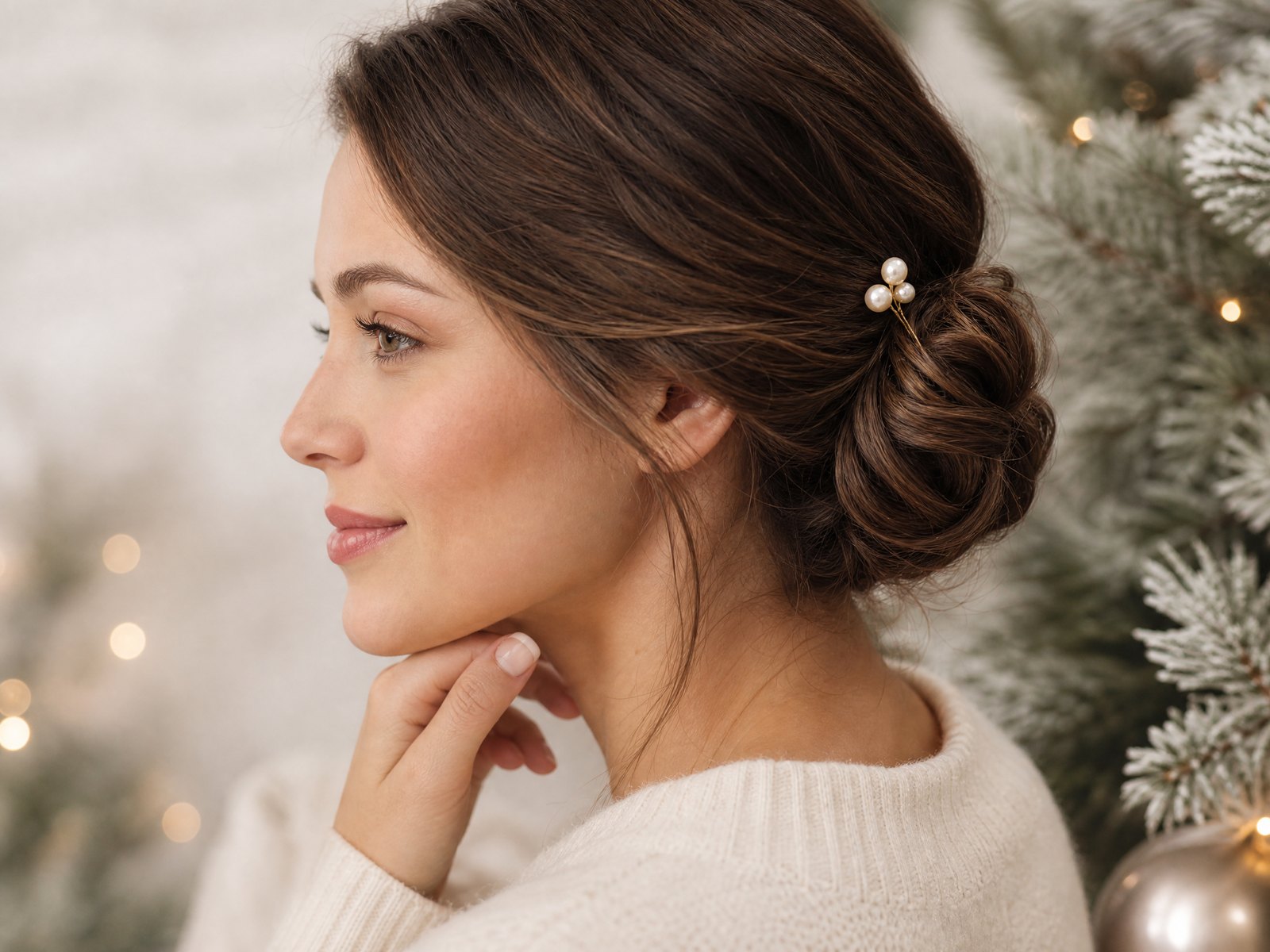
Holiday and event seasons invite a little extra shine in our hair, but the most elegant looks start with simple decisions. Choosing a single, considered accent and thinking about texture, placement and comfort lets an accessory enhance your style rather than overpower it. This guide gives clear, usable principles so you can wear decorative details with confidence and ease.
These pointers focus on practical choices: how to select one focal piece, match its texture to your outfit, secure it comfortably, shift a daytime look into evening, keep color restrained, maintain balance around the face, store pieces safely, and remove them gently. Use them as a flexible framework for creating refined, wearable holiday hairstyles that respect your hair’s health and your personal taste.
1. Make One Accent the Star
Favor a single focal piece so your overall look reads as intentional rather than cluttered. Choosing one accent—whether it’s a clip, knot of fabric, or a decorative pin—gives your hairstyle a clear center, and lets the accessory interact cleanly with your outfit and makeup. When you pick one standout, the rest of your hair styling can stay simple: a smooth base, a soft wave, or a tidy bun will allow the accent to speak for itself.
To decide which single element to use, consider the event and the rest of your look. For a tailored outfit, a compact, structured accent will feel harmonious; for flowing fabrics, something with movement or a softer edge will complement the silhouette. Resist the urge to add multiple contrasting pieces—one well-chosen accent is usually more elegant and easier to wear throughout a long day or evening.
2. Match Texture to Clothing and Hair
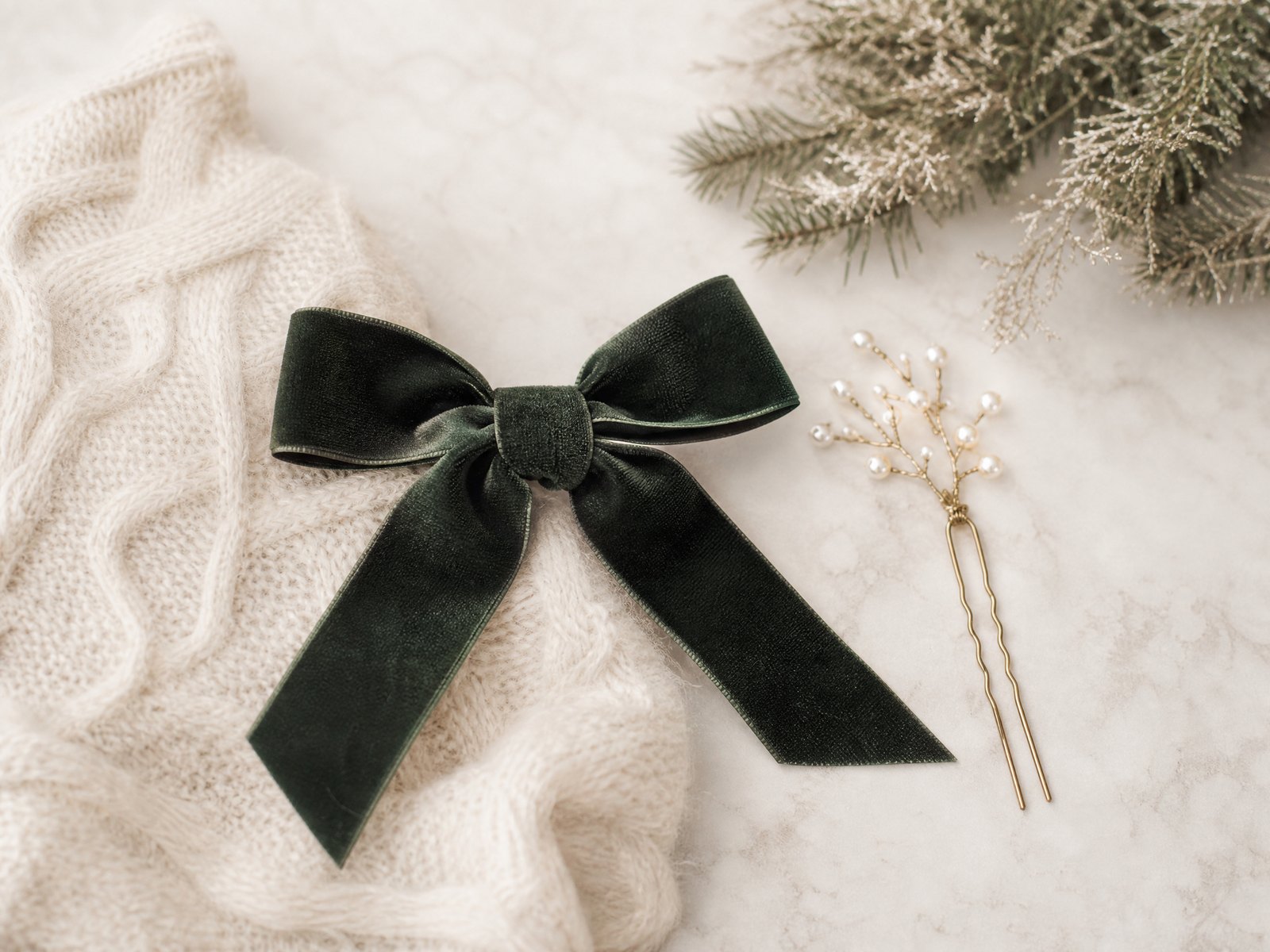
Texture creates a dialogue between your hair accessory and what you’re wearing. If your outfit is rich in texture—velvet, knit, or embroidered surfaces—choose an accessory with a contrasting or complementary feel so it doesn’t disappear or compete. Smooth, glossy accents look intentional next to matte fabrics; soft, fabric-wrapped elements sit comfortably with more tactile garments. Also think about your hair’s natural texture: a smooth accessory reads differently on fine, straight hair than on thick, curly hair.
Consider scale as part of texture: fine, intricate detailing suits delicate fabrics and sleek hair, while chunkier, tactile accents work well with heavier materials and voluminous styles. Use tactile contrast to create interest without overcomplicating the visual story—if your outfit is very detailed, keep the accessory’s surface simpler, and vice versa.
3. Comfort and Secure Placement
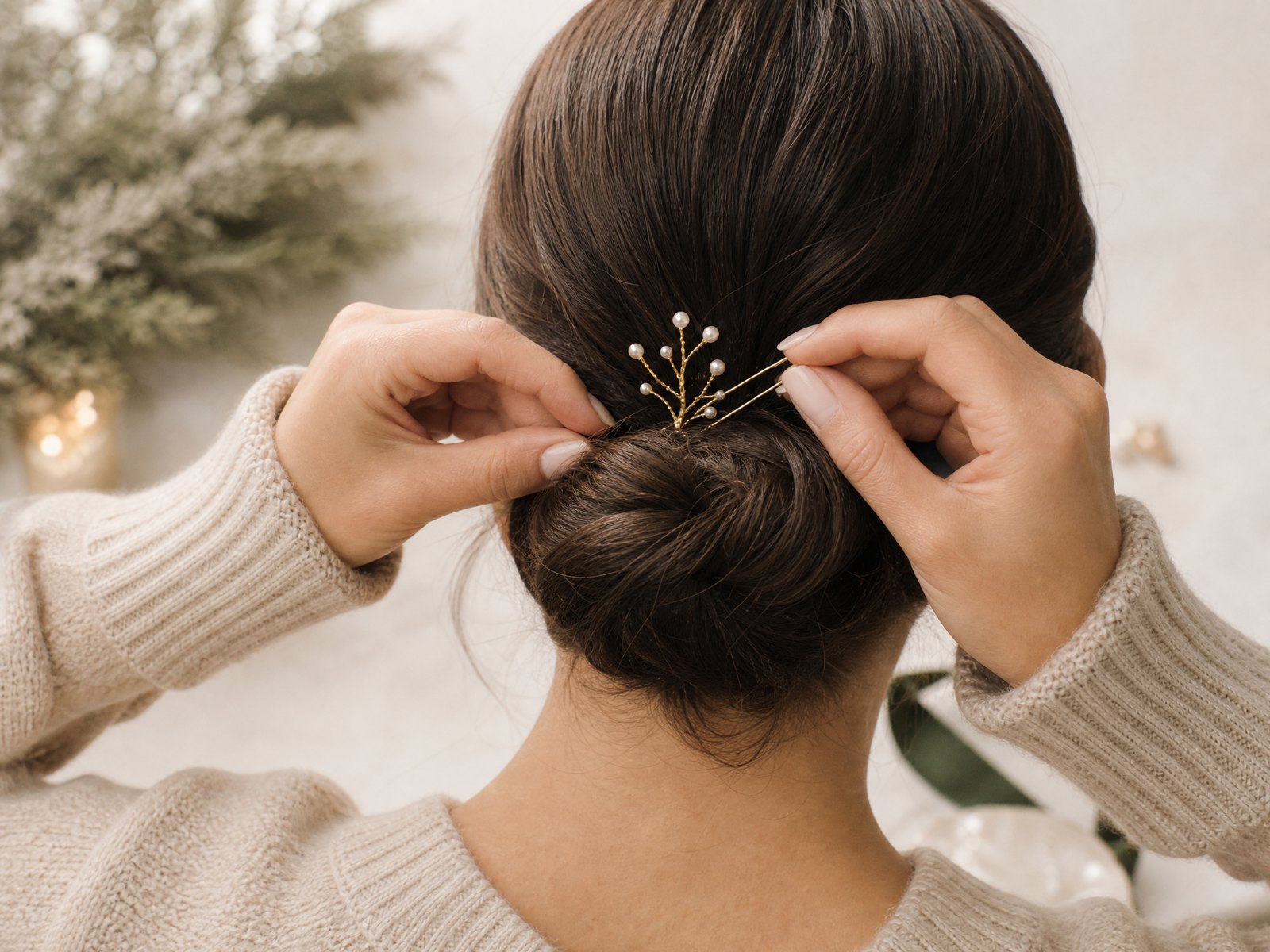
Comfort and security go hand in hand—an accessory that’s comfortable is also more likely to stay put. Place your accent where hair creates natural support: along the hairline, at a gathered point like a low bun, or tacked into a twisted section. Before committing to a placement, sit and move for a few minutes to test whether it shifts when you turn your head or lean back. If it pulls or tugs, reposition slightly closer to an anchor point (a twist, braid or secured pony) to reduce movement.
Checklist:
- Choose a placement with natural hair support (twist, bun, braid)
- Test movement for at least a minute to ensure stability
- Avoid positions that press on bone or behind the ear for long wear
- Use discreet anchoring (pins woven into hair, hair wrapped around base) rather than relying on tension alone
- Reassess after putting on outerwear (scarves/coats) to make sure nothing snags
4. Transitioning from Day to Evening
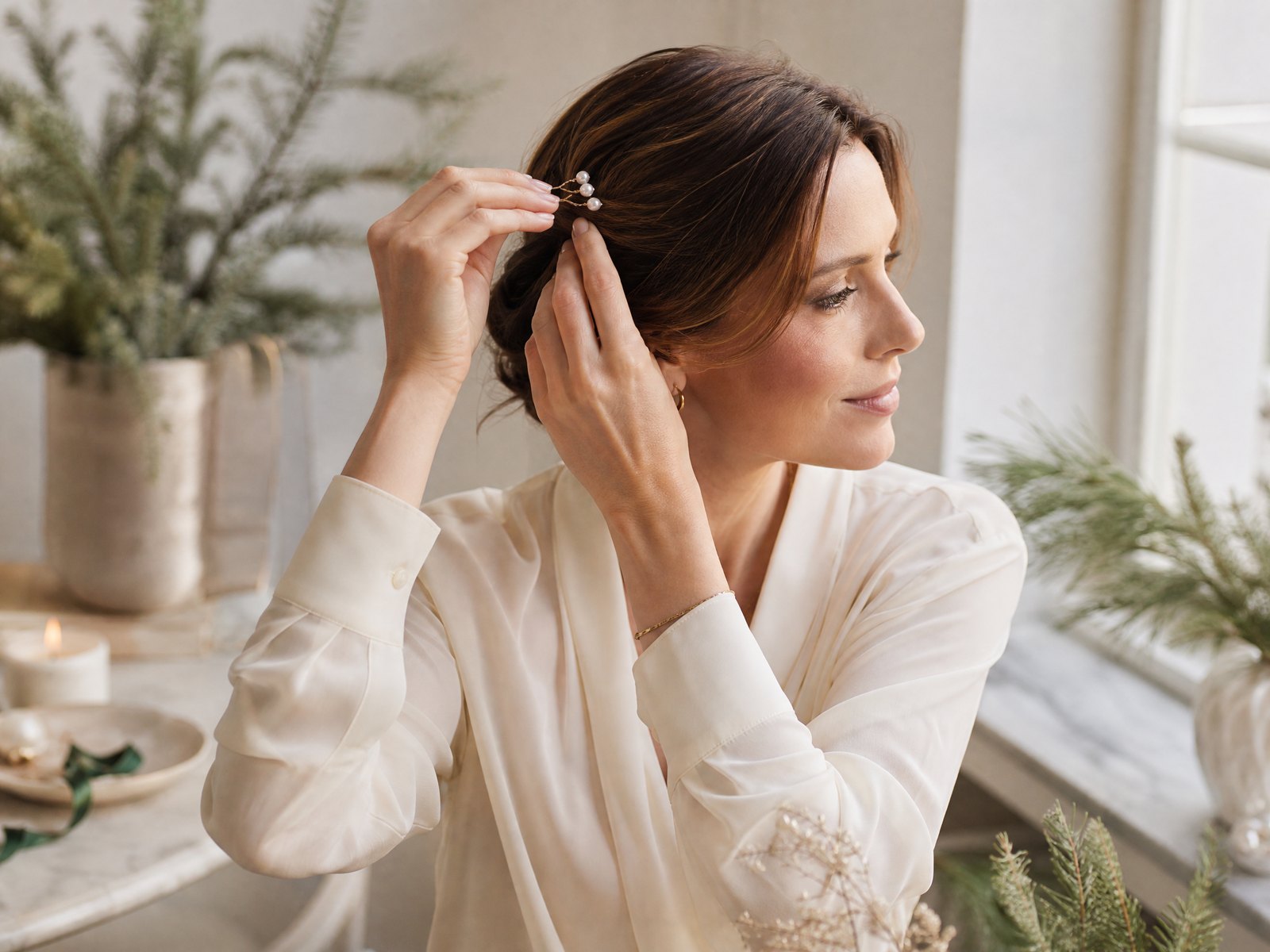
A small shift in placement or finishing details can make an accessory feel dressier without swapping it out. For daytime, keep the accent casually placed—soft and slightly undone—paired with a matte finish and relaxed hair. To elevate the same piece for evening, tighten the anchor, smooth stray hairs, and nudge the accessory into a more deliberate angle or center it to read as more intentional. A simple tuck or twist of surrounding hair can instantly add polish.
If you need a little extra drama for evening, adjust the surrounding hairstyle rather than the accessory itself: a sleeker base, higher knot, or a defined wave will change the overall impression. These small changes preserve comfort and avoid the fuss of carrying extra pieces, allowing quick refreshes between meals or social settings.
5. Keep Color Restrained and Thoughtful
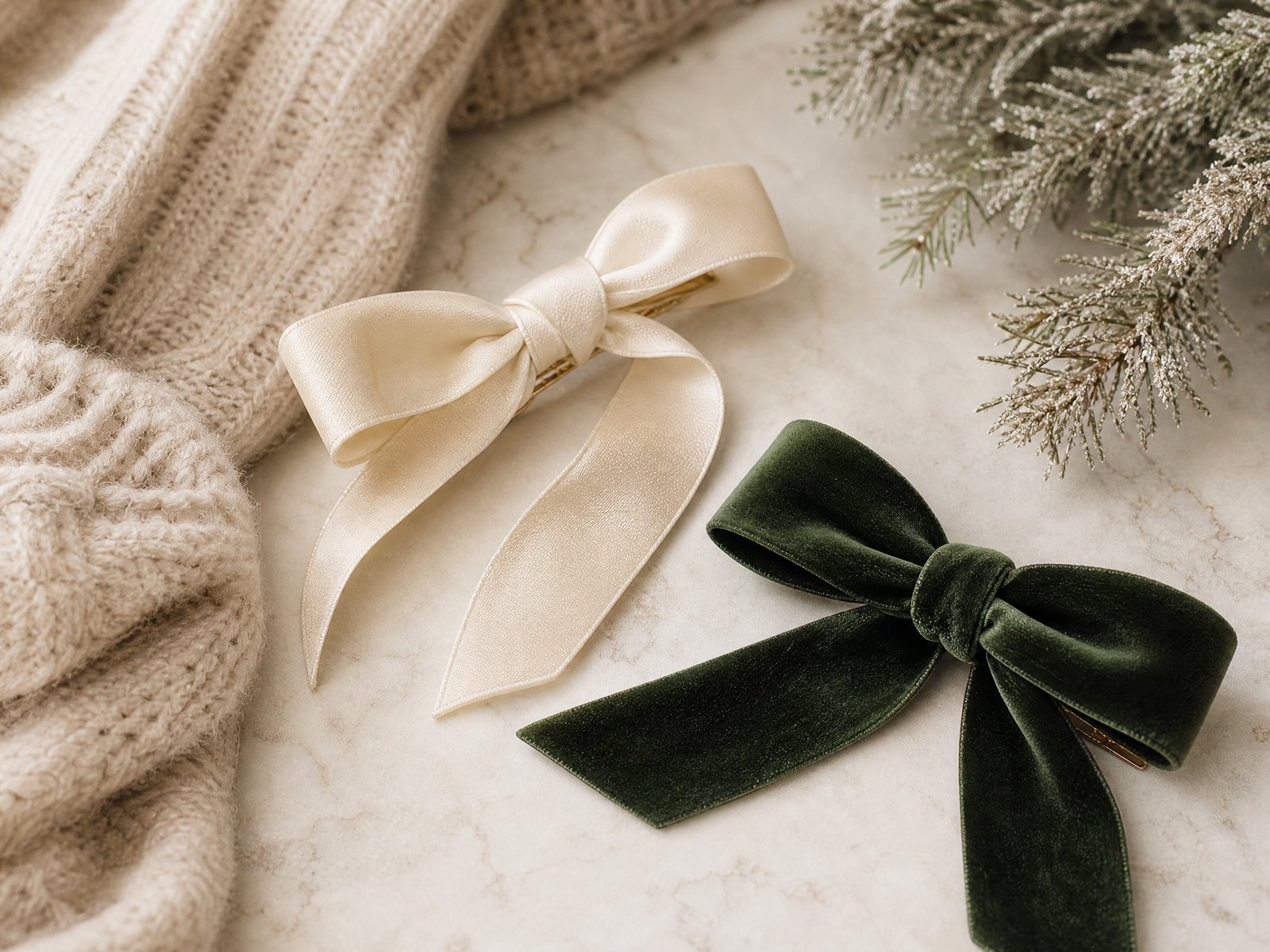
A restrained color approach keeps your accessory looking sophisticated and versatile. Choose colors that either harmonize with your outfit’s palette or provide a single, clear accent—avoid competing hues that fragment the look. Metallics and neutrals can act as quiet complements, while a single pop of color will read as intentional if it echoes a small element in your outfit, such as a scarf or shoe.
Checklist:
- Limit to one accent hue plus neutrals/metallics
- Match the accessory’s undertone (warm or cool) to your outfit’s dominant colors
- Use contrast sparingly—a single bright accent can be powerful, more is often distracting
- Avoid exact duplicates of garment colors; aim for coordination rather than mimicry
6. Create Balance Around the Face
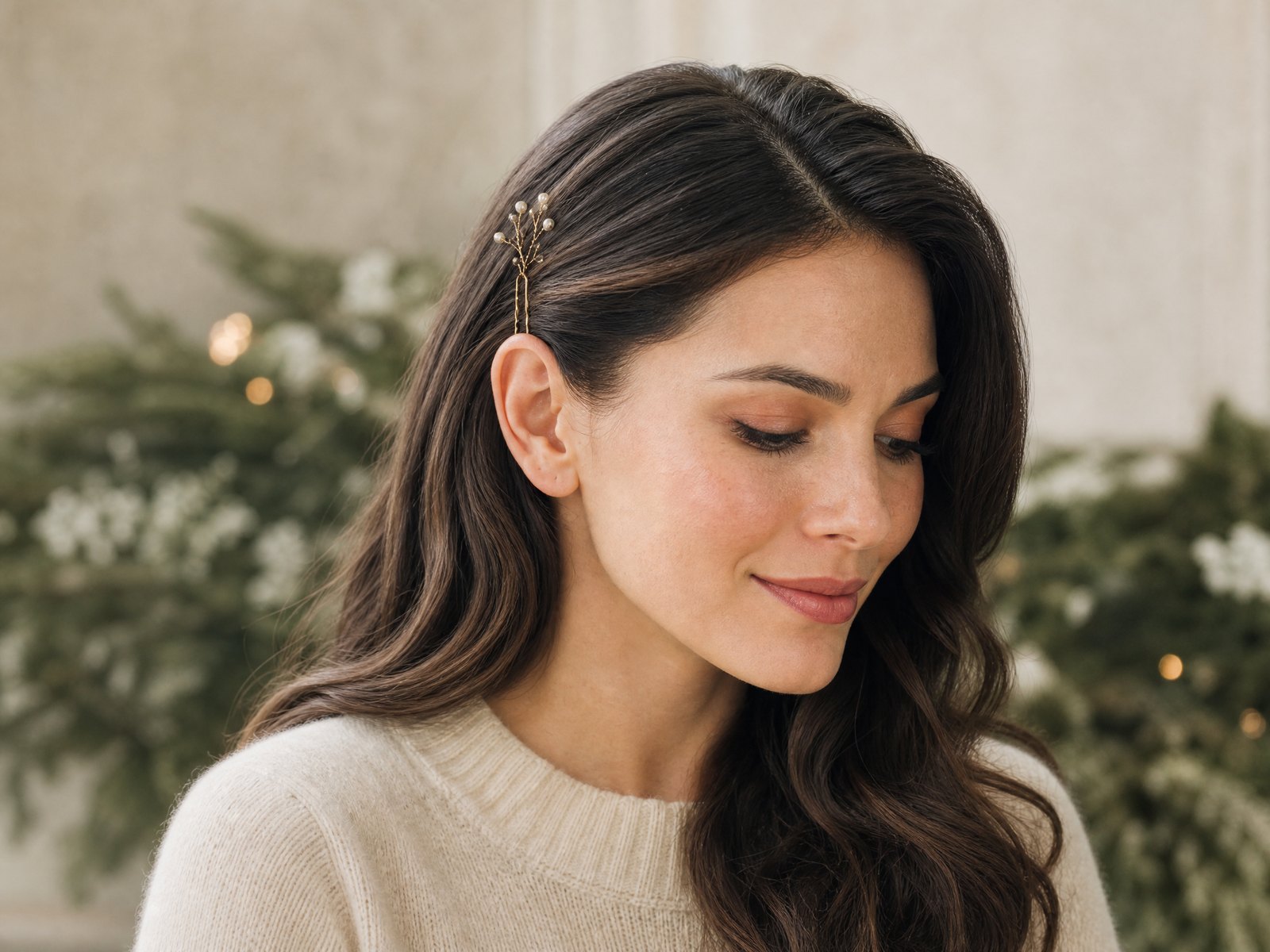
Think of your accessory as part of the silhouette that frames your face. Placement and size should work with your features and hairstyle—small accents sit best close to the face on fuller styles, while larger pieces read well on pulled-back hair. Use asymmetry deliberately: an off-center clip can draw the eye to cheekbones or a neckline, while a centered piece can anchor a sleek, structured look. Keep scale in mind so the accessory complements rather than overwhelms your facial proportions.
When you place an accent, step back and glance at your reflection from different angles and distances. This quick habit reveals whether the piece balances with your overall proportions and the lines of your outfit. Minor adjustments—raising or lowering the placement by a finger’s width—can shift emphasis and create a more flattering relationship between accessory, hair, and face.
7. Storage That Protects Shape and Finish
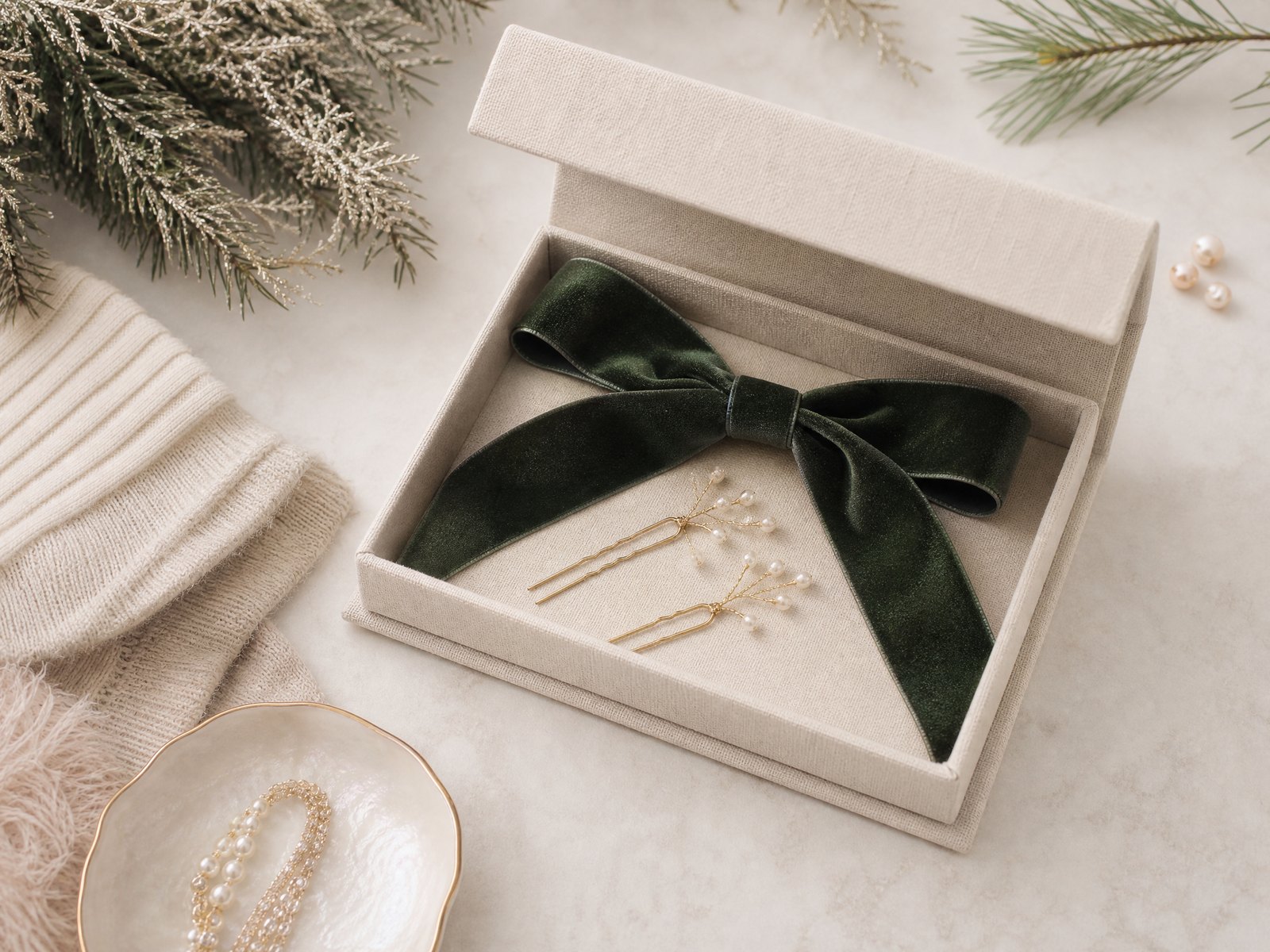
Store decorative hair pieces where they won’t get crushed, tangled, or exposed to moisture. Keep them in soft pouches, separate compartments, or on cushioned hooks so embellishments and finishes remain intact. If an accessory has delicate edges or layers, tuck tissue or soft fabric between pieces to prevent scratches and snags when stacked.
Checklist:
- Use soft-lined boxes or pouches to prevent scratches
- Keep pieces separated if they have embellishments or fragile edges
- Store in a cool, dry place away from sunlight and humidity
- Avoid hanging heavy pieces on thin hooks that could deform them over time
- Check finishes occasionally and wipe gently with a soft cloth to remove dust
8. Gentle Removal and Ongoing Care
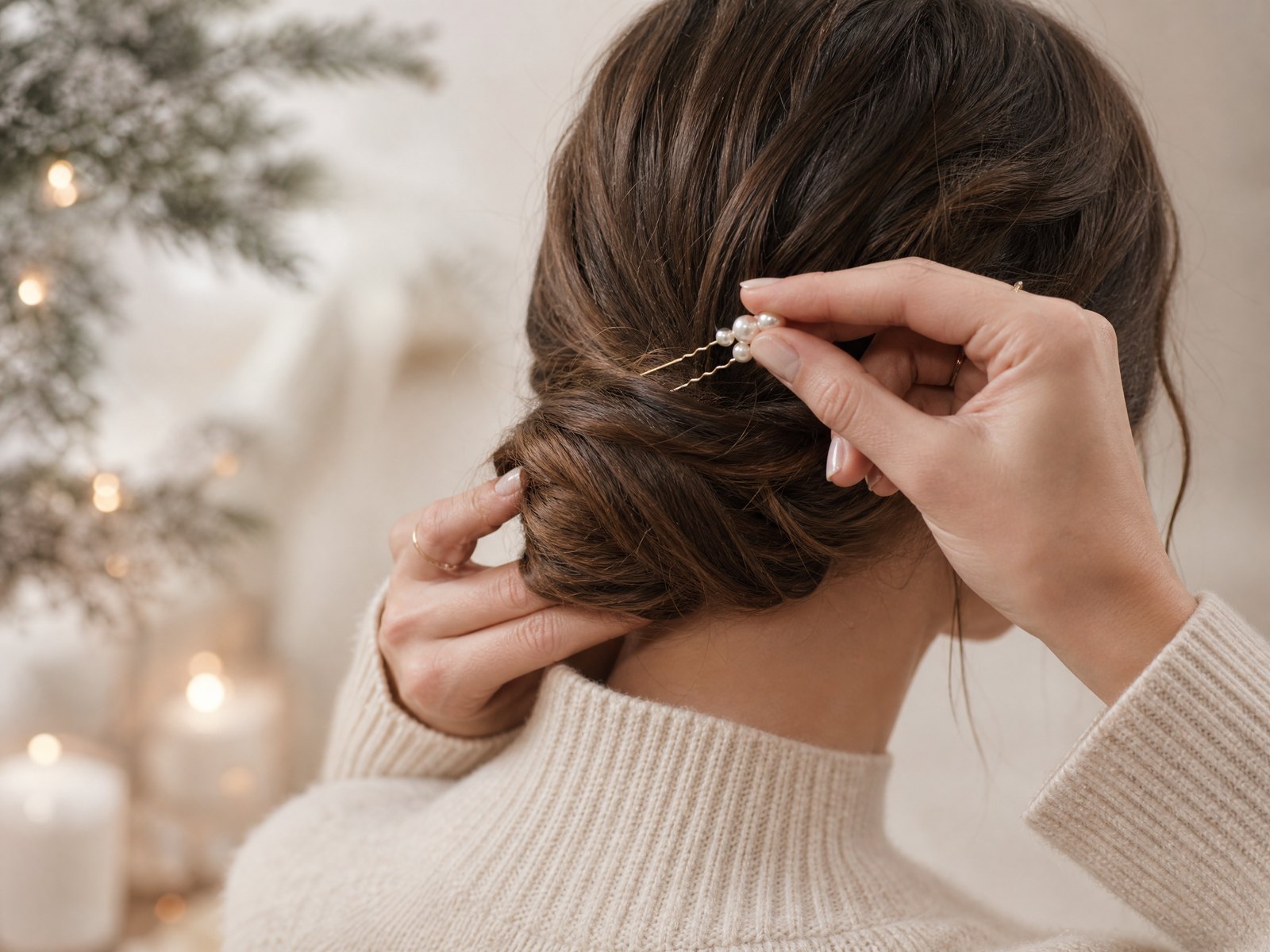
Remove accessories with slow, deliberate motion to avoid tugging and breakage. Loosen any anchoring turns or pins before sliding the piece free; if hair is wrapped around a base, unwind rather than pull. When metal parts have come into contact with hair oils or styling products, wipe them gently with a soft, dry cloth and allow any residual moisture to evaporate fully before storing.
After wearing, inspect fastenings and edges for bends or loose components and make small repairs—tighten a loose loop or smooth a bent clip—so the piece performs reliably next time. Regular, gentle care preserves both the look and the structure of your accents and keeps them comfortable and secure to wear.
Final Thoughts
Styling festive hair accessories becomes much simpler when you work from a consistent framework: pick one accent, match its texture to your outfit and hair, prioritize comfort and secure placement, and make small adjustments for evening wear. Keep colors restrained, balance the piece around your face, protect it in storage, and remove it gently. These practices help you enjoy decorative details that enhance your look while protecting your hair and the longevity of the accessories.