How to Turn a Social Buzz Into a Smart Side Hustle: A Practical, Low-Risk Guide

Trends flash across our social feeds every day—some fizzle, others open short windows of opportunity. With a little curiosity, the right tools, and a cautious approach, you can turn fleeting attention into a neat little revenue stream. This guide breaks down what social trends are, why early movers benefit, how to spot momentum, and concrete steps to test, launch, and exit without getting stuck with unsold stock or a fading idea.
1. What a social-media trend really looks like — and why it matters
A social-media trend is simply a pattern of content or behavior that gains rapid attention across platforms—anything from a sound clip and a hashtag to a new aesthetic or DIY technique. The key feature is velocity: lots of people engaging in a short span of time. For a side-hustler that means two things: a ready-made audience and a limited window. If you spot a new style of posts, repeatable short-form content, or a community suddenly sharing the same idea, you’re looking at the raw material for a fast, focused offering—whether that’s a product, tutorial, or service built to match what people are already seeking.
2. Why jumping in early pays off: speed, focus and organic reach
Fast-moving trends reward early action. Because engagement clusters around a specific topic, your marketing can be sharply focused and more cost-effective than broad campaigns. Early entry often means fewer competitors and higher visibility—the first sellers or creators often capture the majority of interest. Built-in sharing on social platforms acts like free advertising when you produce the right content. Practical example: a simple, well-timed product tied to a viral meme or a themed tutorial posted while interest is still growing can attract shares and traction without a big ad budget, so you monetize attention instead of chasing it.
3. Listen first: practical tools and habits to spot momentum

Spotting a trend before it peaks is partly about tools and partly about where you pay attention. Use search-insight tools to compare related queries, set keyword alerts so you get notified when interest spikes, and follow niche forums and community threads where new ideas ferment. Pay attention to: rising search phrases that have a sudden uptick, a cluster of influencers or hobbyists talking about the same thing, and repeated requests or question patterns in comments. Practical habit: subscribe to a small set of keyword alerts, join two active niche groups, and check a trends dashboard weekly—then act when multiple signals line up.
4. A straightforward roadmap: test fast, scale carefully, and plan your exit

Turn a spotted trend into a side gig using a short checklist: identify an audience, validate demand with a small test, refine the offering, and scale only when early metrics look promising. Validation can be as simple as a pre-order page, a limited run on a print-on-demand platform, or a pilot video series to gauge views and saves. If the test proves out, improve the product and increase promotion; if not, pivot quickly. Always keep inventory minimal or use drop-shipping/print-on-demand, and sketch an exit plan from day one so you’re ready to move on when the trend cools.
5. Practical examples: how different hustles rode attention to income
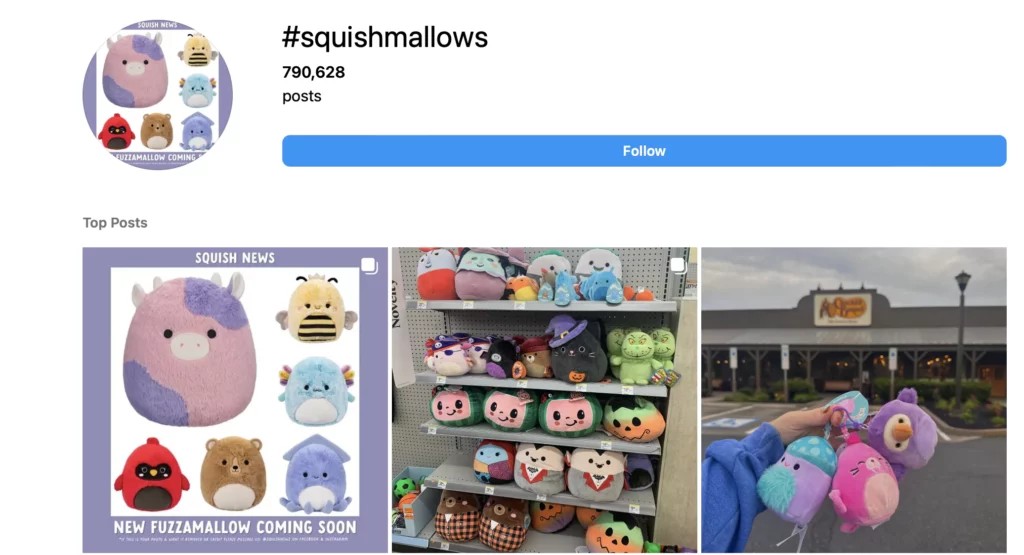
Real-world examples show how varied trends create different earning paths. Collectors who identified a craze for beloved plush toys flipped rare finds to collectors; creators who produced calming sound videos built audiences and then monetized through sponsorships or course sales; tiny-cooking fans packaged mini-kits and e-guides for hobbyists; makers of custom footwear turned designs into commissions and tutorial videos. The common thread is adapting your skills to fit what the trend audience values—whether that’s scarcity (rare items), expertise (how-to content), or convenience (ready-to-use kits). Each path starts with a small, focused experiment and scales from there.
6. The risks to watch for and sensible ways to avoid them
Trends can evaporate fast, and common mistakes amplify losses: ordering too much stock, misreading demand signals, or aligning your brand with something that clashes with your values. Mitigate these risks by starting small—use print-on-demand, limited runs, or digital products—so you won’t be left with unsold inventory. Validate demand through tiny tests or pre-sales, and track real engagement metrics rather than vanity numbers. Also consider ethics and long-term reputation: avoid controversial fads that could damage future trust. Build diversification into your plan so one fading trend doesn’t sink your whole effort.
7. A nimble approach for lasting payoff: balance rapid action with careful planning
Cashing in on social buzz is less about luck and more about prepared responsiveness. Cultivate a routine of listening, quick validation, and conservative scaling so you can take advantage of short windows without overcommitting. Keep a mental catalog of your strengths—design, crafting, teaching, curating—and choose trends that map to those skills. When a promising idea surfaces, run a brief experiment, measure real demand, then either double down or move on. This balance of speed and discipline lets you treat fast-moving trends as a series of manageable opportunities rather than all-or-nothing bets.
Trends create low-friction openings for side income if you combine timely action with prudent testing. Start small, validate quickly, and treat each trend as a short-term experiment that can inform longer-term offerings. Stay curious, keep listening, and let nimble strategy guide when to jump in—and when to step back.