Turn Houseplants into a Small Business: A Beginner’s Guide to Selling on Etsy
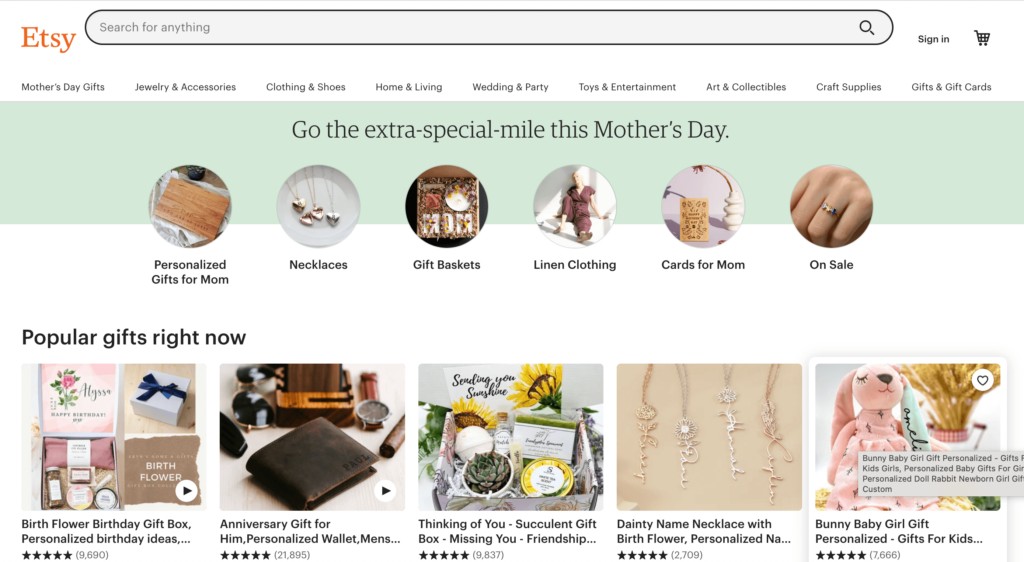
If you love plants and want to share that joy while earning extra income, Etsy is one of the friendliest places to begin. This article walks you from choosing what to sell through legal checks, shop setup, propagation planning, and packing so your first orders arrive healthy and bring repeat buyers.
1. Spot the plant shoppers: who buys and why
Plants sell on Etsy because they’re visual, giftable, and emotionally resonant. Think about the buyer’s intent: someone shopping for a housewarming gift wants an easy-care option with a pretty tag, while a collector seeks rare cuttings with clear provenance. Build your micro catalog with a few proven categories—low-maintenance succulents, air plants, small tabletop foliage, and a durable dried bundle—and present them as tiny experiences. Practical example: offer a “desk brightener” trio of small succulents with a kraft-wrapped bundle and a handwritten care note, and a separate “collector’s cutting” listing that highlights parent plant origin and propagation tips.
2. A simple legality checklist you can actually follow
Before you list anything, run a compact research routine: pick the exact species, then verify rules at national and regional levels for both your shipping origin and likely destinations. Look for requirements like phytosanitary certificates, quarantine restrictions, and whether soil or live plant material is barred across borders or between certain states. If a species looks regulated, either drop it from your initial catalog or limit its sales to buyers in the same country or state. Practical example: when in doubt, sell potted houseplants in sterile potting mix domestically and avoid shipping seeds or soil internationally until you understand destination rules.
3. Platform boundaries: what Etsy allows and what it doesn’t
Etsy permits a broad range of botanical items—live plants, cuttings, bulbs, terrariums, and dried arrangements—but sellers must follow platform policies and local laws. That means some plant types, soil-containing items, and certain seeds can only be sold domestically or may be restricted entirely. The responsibility to comply falls to you: disclose item details clearly in listings, label shipments as live or perishable when required, and don’t promise cross-border delivery for regulated materials. Practical example: create two inventory streams—one for globally shippable dried florals and pottery, another for domestic-only live plant listings with clear destination limits in the shop policies.
4. Open your shop and tell a story that sells

Launch without waiting for perfection: pick a name that matches your offering, add an About blurb explaining why you grow plants, and batch-create 6–10 listings to give shoppers variety. Good product pages combine accurate plant details with lifestyle photos and a brief narrative—why this plant makes a great gift, room placement ideas, and care basics. Practical examples: photograph a popular succulent on a wooden desk next to a mug to show scale, include a close-up of the rosette, and add a care card line such as “bright, indirect light; water every 10–14 days,” plus a short origin note about propagation method. Use that single hero image to capture attention in search.
5. Prepare plants like inventory: propagation and quality control
Treat propagation as inventory planning so you can fulfill orders without stress: stagger cuttings and repots, keep a healthy buffer of ready-to-ship stock, and inspect each plant before it leaves your care. Practical steps include quarantining new plants to prevent pests, pruning damaged leaves, and acclimating specimens to stable indoor light so shipping shock is minimized. Build a packing station stocked with nursery pots, kraft paper, poly sleeves, paper tape, and templated care cards. Example workflow: every Monday check propagation trays, Wednesday pot up sellable sizes, and maintain a short log of plant condition and last watering to ensure consistency when an order comes in.
6. Pack and ship so plants arrive looking loved, not battered
Good packaging cradles roots, stabilizes pots, and manages moisture and temperature. Wrap the root zone in slightly damp paper, place it in a sealed sleeve to contain soil, and stabilize the plant with crumpled kraft or paper fill so the pot can’t shift. Avoid heavy ceramic pots for standard shipping; offer them as optional add-ons shipped in larger, heavily padded boxes. Ship early in the week using an expedited service and mark packages clearly as live and perishable. Practical example: water lightly two days before shipping, secure the pot with a paper collar, nestle the plant in a snug box with “This Side Up” labels, and include a short care card with first-week tips.
Selling plants on Etsy is a blend of horticulture, customer care, and clear processes. Start small: choose saleable plants, verify legalities, set up personable listings with warm photos, plan propagation like inventory, and master protective packaging. Each deliberate step reduces surprises and turns first-time buyers into repeat customers—one healthy package and thoughtful note at a time.