22 Cottagecore Nursery Theme Ideas Parents Love: Cozy, Whimsical Designs For 2026
Cottagecore has quietly become one of the most requested nursery aesthetics among new parents, and for good reason. It blends comfort, nostalgia, and nature-forward details in a way that feels both timeless and modern. In this guide we’ll walk through 22 cottagecore nursery theme ideas parents love, explain why the style resonates, and give practical, safety-minded tips for bringing that soft, whimsical charm into a baby’s room in 2026. Whether you’re starting from scratch or refreshing a corner of your home, our goal is to help you design a restful, storybook-ready space that’s functional, safe, and utterly cozy.
What Is Cottagecore And Why Parents Love It
Cottagecore is an aesthetic and lifestyle sensibility that romanticizes rural living, simple pleasures, and an intimate connection to nature. Think wildflower bouquets in mismatched vases, embroidered linens, hand-thrown pottery, and sunlit nooks. For parents, the appeal is practical and emotional.
Why parents love cottagecore for nurseries
- Calm, restorative atmosphere: Cottagecore’s emphasis on muted palettes and natural textures creates a soothing environment that supports sleep and low-stimulation play.
- Timelessness: Rather than chasing baby-decor trends that feel dated quickly, cottagecore leans on classic pieces, wood furniture, floral textiles, that grow with the child and work in many home styles.
- Connection to nature: Incorporating botanicals, animal motifs, and natural materials helps bring a gentle, outdoor feel inside, useful when fresh air and time outdoors can be limited.
- Personalization and craftsmanship: Cottagecore celebrates handmade and heirloom-quality items, which encourages meaningful selections like a hand-knit blanket from a grandparent or a thrifted rocker.
Design principles we keep in mind
When we talk about designing a cottagecore nursery, we focus on three core principles: comfort (soft textiles and cozy seating), authenticity (natural materials and curated finds), and practicality (durable surfaces and baby-safe finishes). Balancing those ensures the room feels curated without sacrificing function.
In the sections that follow, we’ll present 22 theme ideas split between floral/garden/vintage and woodland/animal/storybook directions, followed by practical tips on colors, textures, furniture, and safety so you can carry out a cottagecore nursery that’s as sensible as it is enchanting.
22 Cottagecore Nursery Theme Ideas — Overview And How To Use This List
This list is organized into two halves, 11 floral, garden, and vintage-inspired themes that emphasize softness and antiqued charm, and 11 woodland, animal, and storybook themes that bring playful storytelling and nature motifs to the room. Use the overview to pick a mood, then combine elements from multiple entries. We recommend choosing one dominant motif (for example, wildflowers or woodland animals), one accent pattern, and one unifying material (like reclaimed wood or linen) to keep the design cohesive.
How to use this list practically
- Pick a primary theme: Choose one of the 22 ideas that best matches your home and parenting style.
- Select two supporting elements: Colors and textures that complement the primary theme.
- Prioritize safety and function: Use our later sections on furniture and materials to make sure décor choices are baby-safe and practical.
- Layer thoughtfully: Start with large pieces (crib, rug, dresser) then add textiles, art, and small accessories.
Floral, Garden, And Vintage-Inspired Theme Ideas (11 Cozy Options)
1. Wildflower Meadow
Soft, scattered floral prints, a handwoven rug, and botanical prints make a meadow-like atmosphere. We pair simple white furniture with pastel linens and a few real potted plants (out of reach) to bring freshness.
2. Vintage English Cottage
Think chintz fabrics, antique brass fixtures, and a spindle crib. We use faded rose and sage green with distressed wood accents to evoke an old-country home.
3. Herb Garden Nursery
Lavender, rosemary, and sage motifs, plus labeled wooden planters for toy storage, create an herb-scented visual theme. Linen curtains and botanical wall decals complete the look.
4. Sunroom Bright
High-contrast neutrals with sunbeam yellow accents and rattan furniture make for a cheerful, light-filled room. We favor lightweight fabrics and airy canopies.
5. Cottage Floral Patchwork
A mix of small-scale floral patterns, quilted throws, and thrifted picture frames gives a cozy, homespun vibe. Layering patterns carefully keeps the look curated rather than cluttered.
6. Rose Garden Luxe
Dusty rose and muted green tones paired with velvet upholstery and a brass reading lamp create a slightly more formal, romantic nursery that still reads cozy.
7. Lace & Linen Classic
Simple white linens, soft lace trim, and painted furniture offer an understated, elegant option. This is especially good for smaller rooms where light reflection matters.
8. Cottage Bakery Playroom
Soft brown, cream, and blush with bakery-inspired art (buns, teacups, rolling pins as wall hooks) gives a whimsical domestic feel that’s playful for older infants.
9. Cottagecore Botanical Library
Low bookshelves, botanical prints, and a comfy reading nook make this a book-first nursery. We include vintage bookends and a small brass lamp for grown-up reading time.
10. Weathered Cottage Coastal
A coastal spin with washed blues, driftwood, and seaweed-green accents, great if you live near water or want a beach-adjacent mood without overt nautical kitsch.
11. Grandma’s Sewing Room
Sewing-themed accents, miniature dress forms, spool-shaped containers, and patchwork pillows, celebrate craft and family heritage, often pairing well with inherited furniture.
Woodland, Animal, And Storybook Theme Ideas (11 Playful Options)
12. Enchanted Forest
Soft moss greens, a play tent “grove,” and wall decals of birch trees create an immersive woodland. We add plush animals and a low bookshelf shaped like a log.
13. Friendly Fox Suite
Rust and terracotta tones with fox motifs, pillows, artwork, and a fox-shaped shelf, produce a warm, character-driven room that’s gender-neutral and cozy.
14. Starry Night Storybook
Deep navy with gold stars, soft crescent moon mobiles, and a vintage brass crib bring storybook magic to bedtime.
15. Woodland Tea Party
A low table for toddler snacks, floral bunting, and animal figurines invite imaginative play as the child grows. Muted green and cream keep it soft.
16. Farmstead Baby
Checkerboard blankets, wooden tractors as decor, and gingham curtains give an honest, rustic farm feel without feeling kitschy.
17. Little Bird Sanctuary
Bird motifs, soft feathered textures, and a birdhouse shelf create a gentle, airy vibe. We favor watercolor-style art and pale blues.
18. Bunny Burrow
Earthy neutrals, round textiles, and cozy nooks make this ideal for nap time. A low, enclosed rocker mimics the burrow’s comfort.
19. Moonlit Meadow
Combining meadow florals with silvery moon accents, this theme bridges floral and celestial elements for a dreamy nursery.
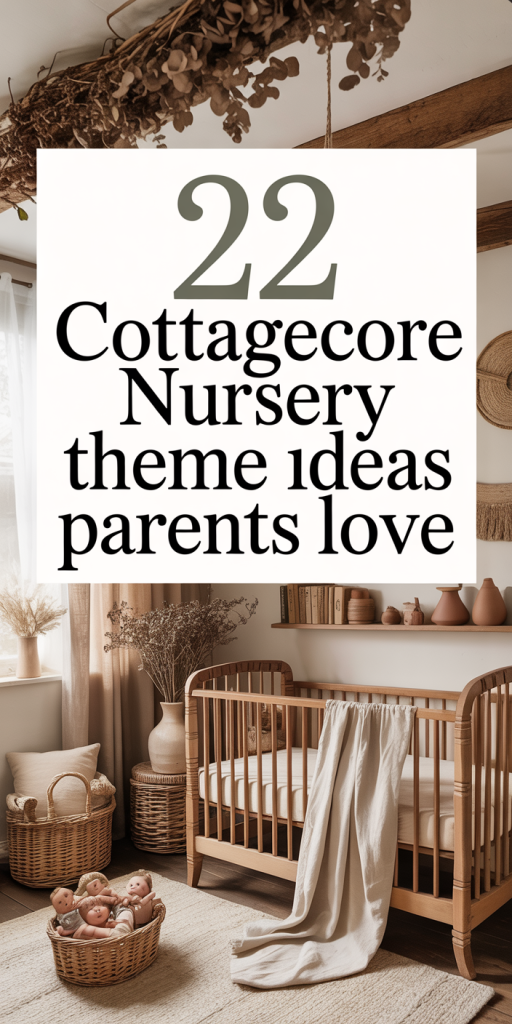
20. Fox & Fawn Forest Friends
Dual animal motifs (foxes + fawns) layered with woodland florals cater to siblings or a gender-neutral palette with playful contrasts.
21. Tale of the Windmill
A storybook theme with little windmill artwork, soft blues, and straw-textured baskets, evokes European country tales and slow mornings.
22. Gnome Hollow
A quirky, handcrafted spin on cottagecore that leans into small ceramic figures, mushroom motifs, and rounded furniture edges, great for parents who like a bit of whimsy.
Each of these ideas can be updated with modern, washable textiles and non-toxic finishes to suit 2026 parenting needs. In the next sections we’ll cover how to translate these themes into practical designs that keep babies safe and make everyday life easier for caregivers.
Practical Design Tips For Creating A Cottagecore Nursery Parents Will Love
Creating a cottagecore nursery that’s beautiful and functional demands a balance between aesthetics and baby-proofing. Here are specific, actionable tips we rely on.
Start with scale and sightlines
Choose furniture sizes that fit the room without overwhelming it. A low dresser with a changing top can double as storage and diaper station, but make sure pathways remain clear for safe movement and easy supervision.
Prioritize washable and durable textiles
Cottagecore leans into linen, cotton, and wool, great for texture, but babies are messy. We recommend washable linen blends and machine-safe cottons for sheets, curtains, and slipcovers. Use washable rug pads under jute or braided rugs so you can clean spills without damaging the floor covering.
Layer lighting for flexibility
Combine a soft overhead light with a dimmable option, a cozy floor lamp for reading, and a small nightlight for middle-of-the-night feedings. Warm color temperature (2700K–3000K) feels most cottagecore and friendly for sleep.
Create zones
Divide the room into clear zones, sleep, changing, play/reading, so items stay organized. A cozy reading nook with a small bookcase keeps books off the floor and makes stories a ritual.
Incorporate storage that’s pretty and practical
Wicker baskets, painted wooden crates, and built-in cubbies can hold diapers, toys, and swaddles while contributing to the aesthetic. Label baskets if you have caregivers or grandparents helping: it reduces stress and keeps the room tidy.
Use removable, non-damaging wall decor
Wall decals, framed art on picture ledges, and fabric banners are all cottagecore-friendly and easy to change. Avoid hanging heavy items directly above the crib. If you use shelves, mount them high and secure them to studs.
Make cleanup easy
Keep a small caddy stocked with wipes, diaper cream, and a change of clothes near the changing area. Opt for a waterproof changing pad cover that fits your aesthetic, there are linen-look covers that wash well.
Introduce nature safely
If you want plants for air quality and visual warmth, choose non-toxic varieties (like Boston fern, spider plant, or parlor palm) and place them out of reach. Use heavy, low-tippable pots and avoid loose soil on low surfaces: sealed terrariums can give the look without the mess.
Adapt for growth
Design with modular pieces so the room evolves. A convertible crib or a dresser that becomes a grown-up storage cabinet extends the life of your investment and keeps the cottagecore charm as the child grows.
Color Palettes, Textures, And Materials To Achieve That Warm Cottagecore Feel
Cottagecore’s warmth comes from a careful mix of color, texture, and material. Below we outline palettes and tactile choices that help you achieve that lived-in, gentle look.
Color palettes we recommend
- Soft Meadow: Sage green, buttercream, and muted terracotta. Works well for floral and botanical themes.
- Dusty Rose & Stone: Dusty rose, dove gray, and off-white. Elegant for vintage-inspired nurseries.
- Woodland Neutrals: Moss, oatmeal, and rust. Great for animal and forest motifs.
- Coastal Cottage: Washed blue, driftwood gray, and seafoam. For homes near water or a lighter aesthetic.
- Night Garden: Deep navy, mauve, and warm beige. A bolder option for a storybook bedtime feel.
Textures that add depth
- Linen: Breathable and slightly textured, linen adds instant softness. Use for curtains, crib skirts, and throw pillows.
- Quilted cotton: Brings a patchwork, handmade vibe and adds warmth without bulk.
- Woven baskets & rattan: Perfect for storage and small furniture pieces: avoid light, fragile weaves for items used daily.
- Wool or wool-blend rugs: Soft underfoot and insulating: choose low-pile options for easier cleaning.
- Distressed wood: Gives an authentic cottage look: sealed finishes are essential for baby-safe surfaces.
Materials to prefer (and avoid)
Prefer:
- Solid wood furniture with non-toxic finishes
- Organic cotton and linen blends for bedding
- Natural fiber rugs with washable pads
- Brass or matte black fixtures for a classic touch
Avoid or limit:
- High-gloss lacquers and harsh VOC paints, opt for low-VOC or zero-VOC alternatives
- Long-pile shag rugs that trap dust and small objects
- Loose decorative items that can be pulled into the crib
Layering for comfort and practicality
Start with a neutral base (walls and large furniture), add a dominant color for textiles and one or two accent tones, then bring in texture through baskets, quilts, and embroidery. That mix keeps the space visually rich without overwhelming the senses, important in a nursery where calm is the priority.
Furniture, Storage, And Safety: Making Cottagecore Functional For Babies
Cottagecore can be charming without sacrificing safety or day-to-day convenience. Here’s how we approach furniture selection, storage solutions, and essential safety checks.
Furniture choices that age well
- Convertible crib: Choose one with a reliable conversion kit so it grows with your child. Pick a simple slatted design in painted or natural wood.
- Multi-use dresser/changing table: A dresser with a removable changing tray is more useful long-term than a dedicated changing table.
- Comfy rocking or glider chair: Upholstered in a washable fabric, we like linen blends, this becomes a central caregiving piece.
Storage that’s safe and stylish
- Anchor everything: Dressers, bookshelves, and tall units must be anchored to studs to prevent tipping, especially in a cottagecore room where stacked baskets or decor can add weight.
- Soft-close drawers and rounded knobs: These reduce pinched fingers and are kinder in a busy household.
- Open cubbies at low height: Great for baskets and toys: they encourage independent access as the child becomes a toddler.
Safety-first decor choices
- Crib placement: Keep the crib away from windows, cords, and shelves. Babies should not sleep near drapery or blinds with pull cords.
- Secure lighting: Use cordless window treatments if possible and keep lamps with cords out of reach, opt for battery-operated nightlights.
- Non-toxic finishes: Verify the furniture is painted or sealed with certified low-VOC products. For secondhand pieces, consider a fresh coat of safe paint and a thorough clean.
Maintenance tips we live by
- Keep a small toolkit handy: Tighten crib bolts and rocker screws periodically to prevent wobble.
- Rotate washable items weekly: Bedding, blankets, and rugs should be laundered frequently, especially during the first year.
- Inspect toys and decor regularly: Look for loose threads, splintering wood, or small parts: replace or repair items promptly.
By selecting durable, convertible furniture and combining it with anchored storage and non-toxic finishes, we can make a cottagecore nursery both picture-perfect and robust enough for daily family life.
Conclusion
Designing a cottagecore nursery in 2026 means blending storybook charm with modern safety and practical parenting needs. Whether you’re drawn to wildflowers and vintage quilts or woodland friends and moonlit meadows, the key is to choose a dominant motif, invest in durable, convertible furniture, and layer texture and color mindfully. With washable textiles, anchored storage, and low-VOC finishes, you can craft a warm, calming space that serves your family now and adapts as your child grows. We hope these 22 ideas inspire a nursery that feels like home, cozy, whimsical, and thoughtfully designed for real life.