How to Keep Fuel Costs from Eating Your DoorDash Pay: Smart Strategies for Dashers
If you’re thinking about dashing or already balancing deliveries on the side, fuel can quickly erode your profits. This guide explains how DoorDash pays, why fuel matters, and practical steps other drivers use to protect their earnings—without jargon or false promises.
1. What actually goes into your DoorDash pay
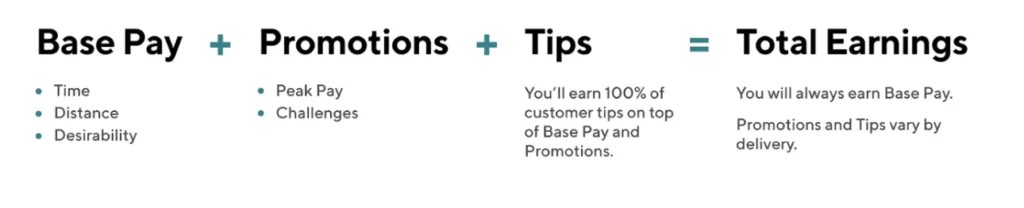
DoorDash earnings combine a guaranteed base for each order, occasional incentives or bonuses, and whatever customers tip. As an independent contractor you’re paid per delivery and keep your tips, but the company does not reimburse fuel or vehicle wear. That means profitability depends on the mix of order types you accept and how efficiently you operate. For instance, favoring stacked deliveries or short, frequent drops in a compact neighborhood can reduce time and mileage per payout. Likewise, accepting orders during healthy demand windows often brings more incentives. Reading the marketplace in your area—knowing when and where high-value orders appear—lets you make smarter choices about what to accept and when to clock in.
2. Why fuel and vehicle costs change the math
Fuel isn’t the only operating cost, but it’s usually the most visible daily expense. Gas, routine maintenance, insurance, and the slow depreciation of your vehicle all reduce the money you actually pocket. In denser urban zones fuel and parking fees can shift a profitable run into a loss; in sprawling suburbs long distances between stops can do the same. That’s why choosing the right vehicle matters: a compact, fuel-efficient car or an electric or pedal-powered option in bike-friendly cities can dramatically improve margins. Regularly compare local fill-up prices and consider time-of-day traffic patterns—avoiding congested routes preserves both time and fuel. Treat your car like a small business asset and make decisions accordingly.
3. Everyday moves to shave fuel use and boost take-home pay
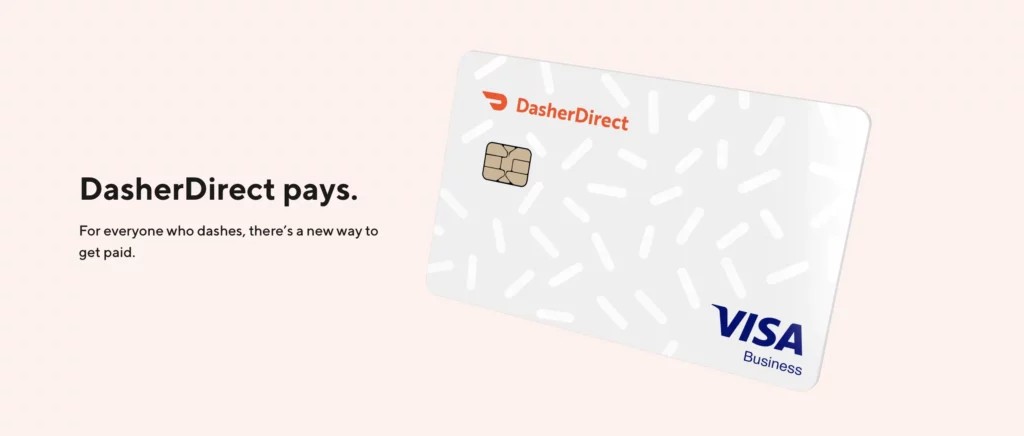
There are concrete habits that reduce fuel spending on the road. Use navigation apps that avoid congestion and plan clusters of deliveries rather than scattershot runs. Enroll in a driver-focused prepaid card or rewards program that offers pump-related cash back so you get a little rebate on every fill-up. Keep tire pressure, oil, and air filters up to date to preserve mileage. Consider swapping some short trips for a bike, scooter, or walking deliveries if your market allows it—this eliminates fuel costs and shortens parking hassles. Practical example: combine two nearby orders going in the same direction rather than chasing a distant solo drop, and check gas price apps before you fill to capture lower local prices.
4. Veteran Dashers’ rules of thumb and order selection habits
Seasoned drivers rely on simple rules to avoid unprofitable runs. Common tips include declining requests that move you far from your preferred zone, prioritizing stacked orders, and logging average miles per delivery to spot unproductive patterns. Many track their own break-even distance or time—if an offer pushes you past that, they pass. Maintenance and smooth driving are another shared habit: lighter loads, steady speeds, and limiting idling add up. Finally, community forums can point out local quirks—like stations with the best prices or neighborhoods that tip better—so spend a bit of time learning local patterns. These small habits help experienced Dashers protect everyday earnings.
5. Track mileage and receipts so taxes work in your favor
Because you’re self-employed as a Dasher, you can lower taxable income by documenting business driving. There are two common approaches: use the IRS mileage method (apply the published per-mile rate for the year) or add up actual vehicle costs and allocate a business-use percentage. The right choice depends on how much you spend on maintenance and insurance versus how many miles you drive for work. Practical steps include using mileage apps that separate personal and business trips, photographing receipts for fuel and repairs, and exporting yearly reports for your tax preparer. Examples of helpful apps include automated trackers and receipt-loggers—choose one that fits your phone habits and stick to it all year.
6. The bottom line and how to make dashing pay
DoorDash does not directly reimburse your fuel, so profitability comes down to managing costs and picking the right opportunities. Combine smarter order selection, vehicle upkeep, use of rewards or pay cards, and disciplined tracking to protect earnings. Consider switching to a more efficient vehicle, running only during peak demand windows, or substituting alternative transport for short runs. Keep records of miles and expenses so that tax deductions reduce your net cost. Ultimately, treat each dash like a small business decision: weigh distance and time against the total payout before accepting, and gradually refine your approach based on the results you track.
Fuel won’t be covered for you, but it can be managed. With intentional order choices, regular vehicle care, rewards tools, and consistent record-keeping, you can improve the gap between what DoorDash pays and what you spend—so your side hustle stays worth the drive.