How to Create a Calming Ocean-Inspired Bedroom: Practical Tips for a Subtle, Playful Retreat
Transforming a bedroom into an ocean-inspired retreat can be surprisingly simple and deeply rewarding. With a thoughtful palette, a few well-chosen decorative touches, and practical planning, the room can feel like a soothing underwater escape that supports play, rest, and curiosity.
This guide offers approachable ideas for color choices, surfaces, lighting, furnishings, storage, and small DIY projects. The focus is on design moves that are flexible, budget-friendly, and easy to update as tastes evolve.
1. Start with a Flexible Design Plan and Purpose

Before picking paint or plush toys, decide how the room will be used day-to-day: sleeping, studying, imaginative play, or a mix. Map out zones for rest, creative activity, and open floor space so the design supports routines. Establish a budget range and a priority list (for example: paint and lighting first, large furniture next, accessories later). Choosing three core motifs — such as reefs, gentle waves, and sea creatures — helps keep the scheme cohesive without feeling overdone, and makes shopping or DIY efforts more efficient.
2. Choose a Soothing Color Palette That Suggests Water Without Overwhelming
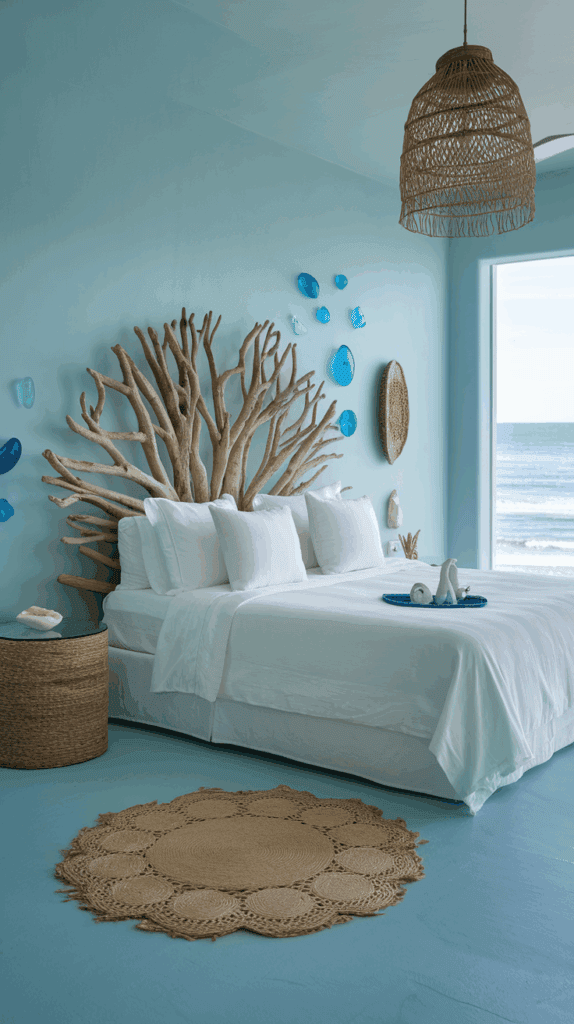
Aim for layered blues and complementary neutrals to evoke depth and shoreline calm. Combine a deeper blue or teal for an accent wall with paler aqua or misty gray on remaining walls; sandy neutrals for rugs, curtains, and upholstery add warmth. Use accent colors sparingly—coral, sea-glass green, or soft yellow—to draw attention to focal points like a bed or bookshelf. Swatches tested in different light conditions reveal how colors shift throughout the day, so sample paint on large poster boards and observe them morning and evening.
3. Walls and Ceilings: Techniques for Subtle Motion and Interest

Surfaces can suggest underwater movement without literal murals. Consider a soft ombré wash from deep hue at the base fading to a light tone near the ceiling to mimic water depth. Roller or sponge techniques create faint ripple textures. Peel-and-stick murals or decals offer high-impact imagery that’s removable and easy to change as interests shift. For the ceiling, try soft blue LED cove lighting or glow decals for a gentle overhead shimmer; paper lanterns with trailing fabric can imitate floating jellyfish while remaining lightweight and child-safe.
4. Layer Lighting for Ambiance and Function
Combine ambient, task, and accent lighting for a dynamic, calming atmosphere. LED strip lighting tucked behind headboards or under shelves provides a diffuse wash of color that can simulate underwater light. A projector or moving-light unit can offer gentle motion on walls for playtime or bedtime stories. Include adjustable bedside lamps or dimmable ceiling fixtures for reading and soft night hours. Position cords and transformers out of reach and choose fixtures with safety certifications for children’s rooms.
5. Select Furniture and Textiles That Balance Theme with Durability
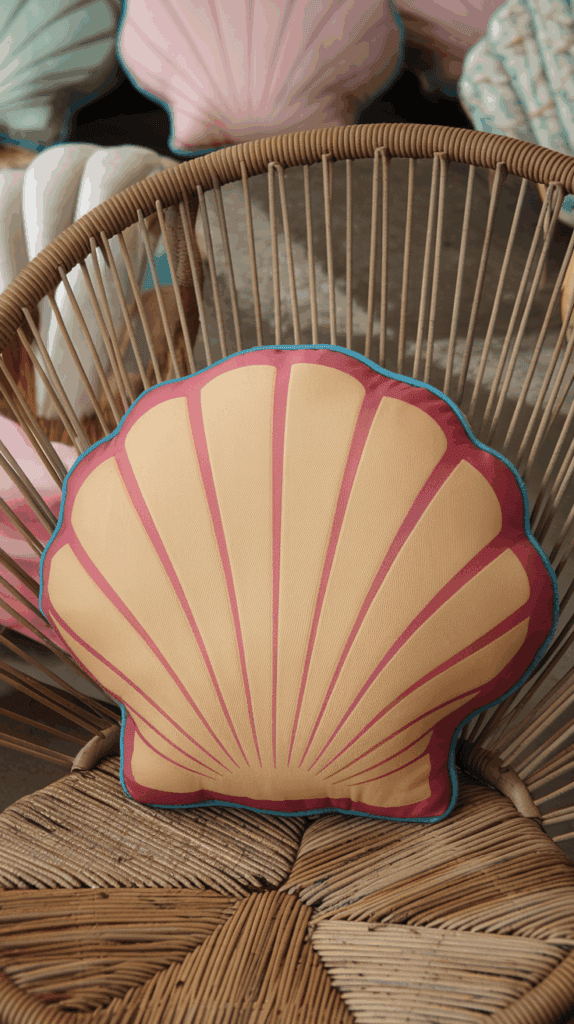
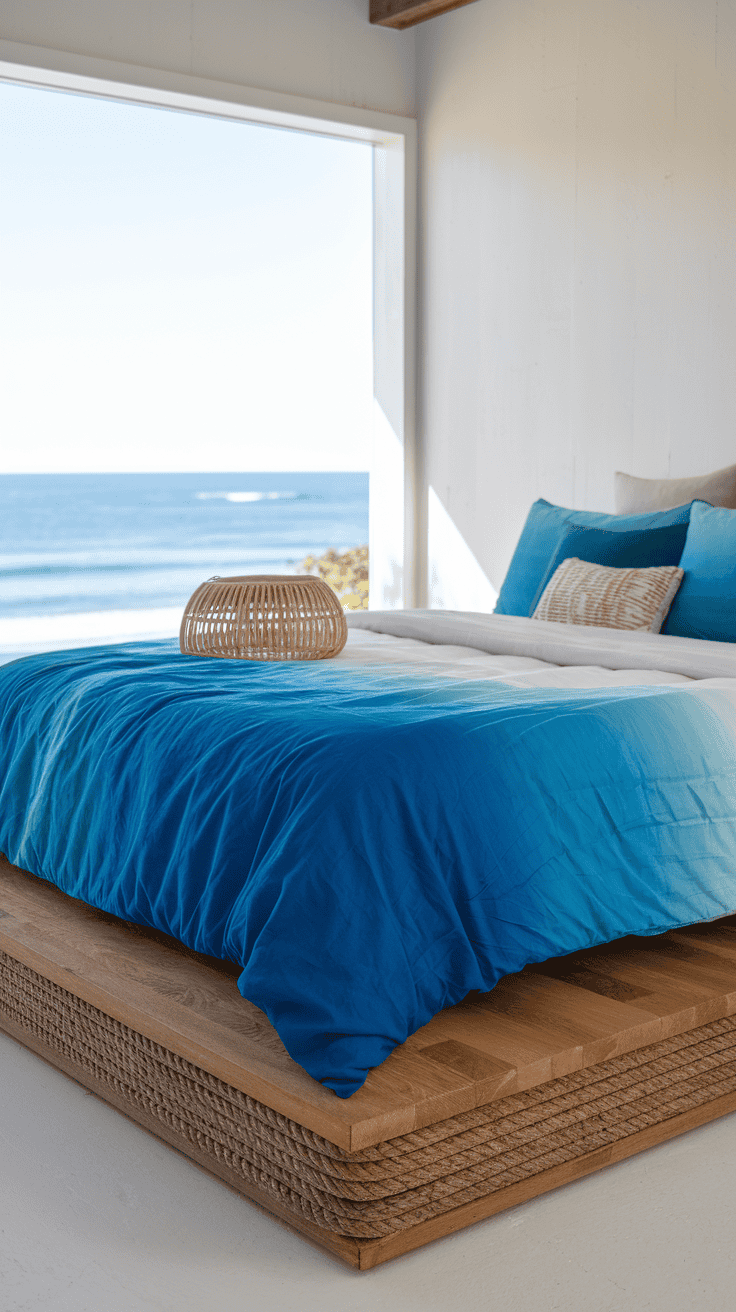
Choose main furniture pieces—bed, dresser, desk—based on scale and longevity rather than novelty alone. Neutral or sea-toned finishes let accessories carry the theme so pieces work as the child grows. Bedding and rugs are the easiest way to introduce pattern: picks with wave motifs, subtle fish prints, or textured fabrics can be layered for comfort and visual interest. Opt for washable textiles and stain-resistant finishes where possible. Consider convertible options like bunk or loft beds to maximize floor space for play.
6. Storage Solutions That Fit the Look and Encourage Tidy Habits
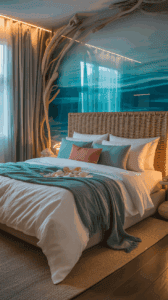
Integrate playful storage that doubles as decor: wooden chests painted in beach tones, rope-handled baskets, or crates labeled with stencils provide distinct homes for toys and books. Under-bed drawers and clear bins keep items organized and accessible while remaining out of sight. Use wall-mounted shelves shaped like waves or boats to display favorites and free up floor space. Clear labeling—pictures or words—helps children participate in cleanup and reinforces the seasonal or rotational approach to toys and decor.
7. Hands-On Projects and Interactive Features to Keep the Theme Fresh
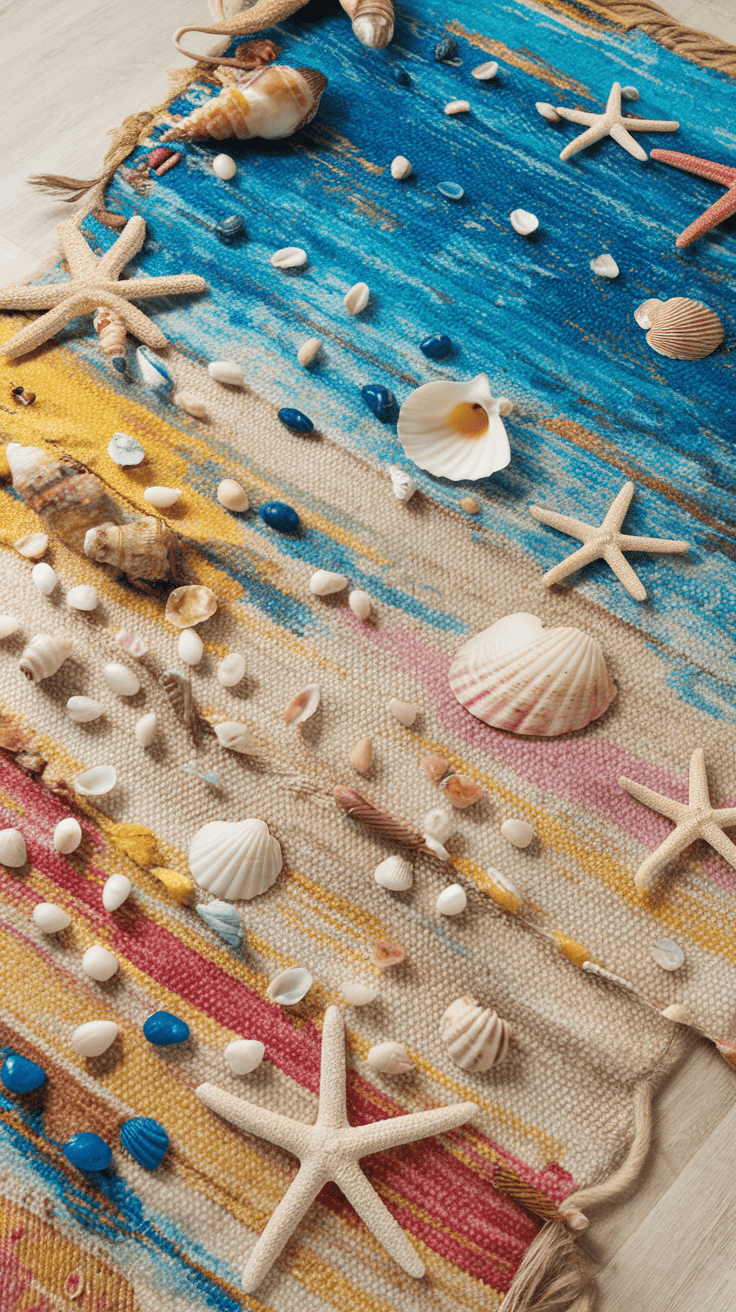
Add simple, safe DIY touches to personalize the space and involve children in the process. Shell-embellished picture frames, painted-rock sea creatures, and sensory bins with safe, washable materials create tactile engagement. Small aquarium-style displays (artificial or real, following responsible care guidelines) and motion-friendly elements like bubble lamps or rotating light projectors provide ongoing fascination. Rotate toys and displays seasonally to maintain novelty and keep storage manageable.
Final Thoughts
An ocean-inspired bedroom can be both enchanting and practical with a clear plan, layered colors and lighting, and storage that supports daily life. Small, reversible design choices and a few hands-on projects make the space adaptable as children’s interests change. Focus on comfort, safety, and simple touches that invite calm and imaginative play.