Ship Small, Earn Quietly: A Student’s Playbook for Low‑Stress Passive Income

Between lectures, lab shifts, and late-night study sessions there are small windows that add up. This article lays out practical ways to turn those pockets of time into digital assets, micro services, and low-maintenance income streams that suit campus life. Read it as a roadmap: choose one lane, finish one product, and learn while you sleep.
1. What ‘Passive’ Really Means for a Busy Student
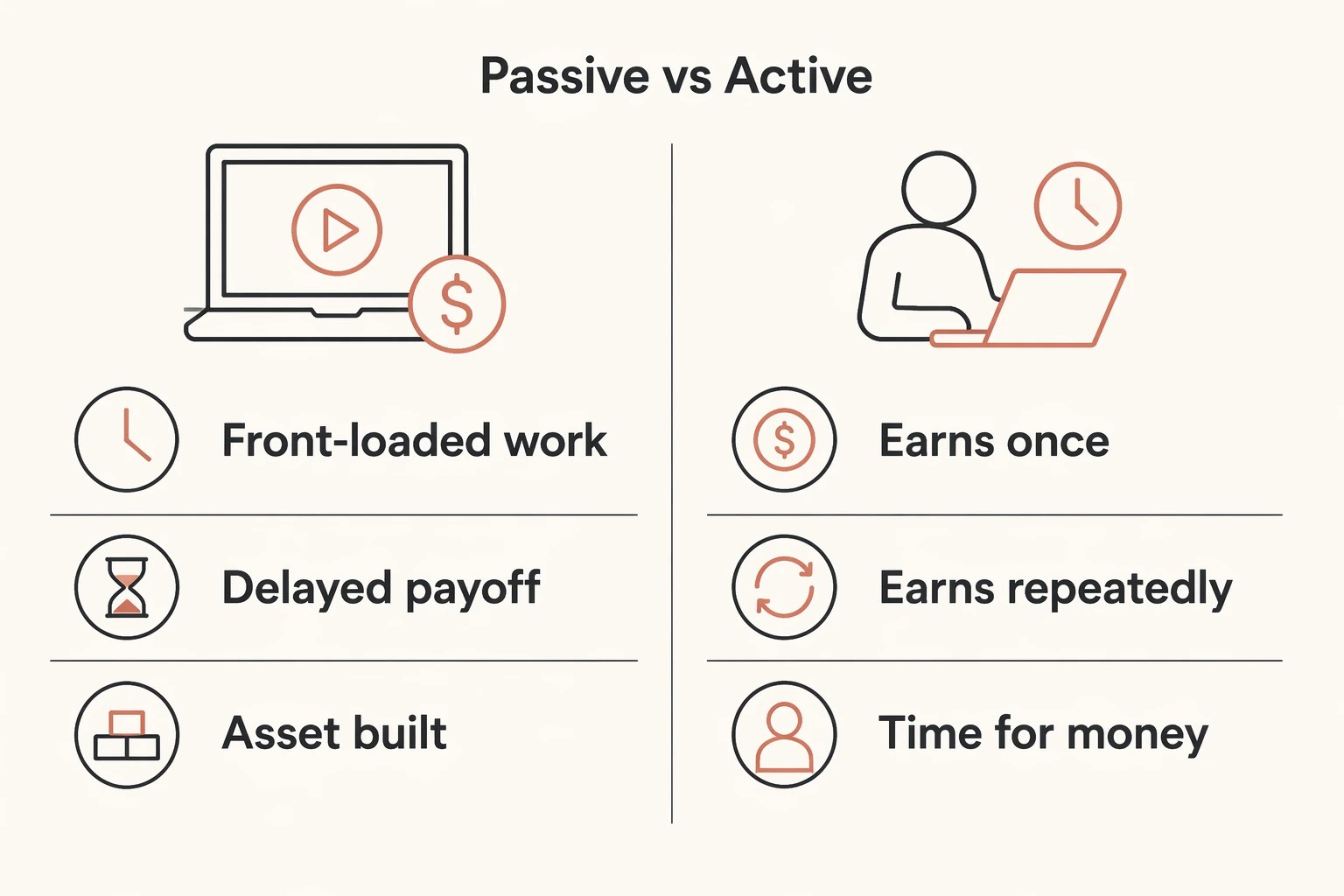
Passive income isn’t magic; it’s front-loaded work that keeps paying after you’ve moved on. For a student that means building something now — a file, a page, a small library of clips — that continues to sell while you study or travel. Think of the work as an investment of attention: the initial effort can be intense, but the payoff is that transactions happen without you being present. Practical examples include recording a reusable tutorial once, exporting a cleaned-up study template, or photographing campus scenes in an afternoon. The goal is to complete a durable asset, not to trade more hours for more cash.
2. Match the Hustle to the Life You Actually Live
The wrong side project wastes the same hours but yields frustration instead of income. Start by mapping your real constraints: when are you most focused, how long are your free blocks, and what energy do you have after classes? If you get ten-minute gaps, pick work you can chip away at; if you have a long morning, draft a longer piece. For instance, a student who finds short bursts easiest might create a single-page printable each weekend, while someone with a three-hour block might record a set of screencast tutorials. Choosing the right lane increases the chance you’ll finish and actually earn.
3. Ideas That Need Time, Not Cash
If the startup cost is more than you can comfortably spend, look elsewhere. Digital-first approaches minimize overhead: deliver files that duplicate endlessly and require no shipping. Good entry ideas include simple templates, short guides based on your coursework, and starter newsletters for niche communities. These projects ask for editing, screenshots, or a clear layout rather than equipment or inventory. A practical path: pick something you already perform for friends — a study outline, a budgeting layout — tidy it for someone else, list it on a marketplace, and learn from the first buyer’s feedback.
4. Make One Digital File That Continues to Sell
A single PDF or spreadsheet can return far more than its production cost when it solves a concrete problem. Start with a clean, useful version: a downloadable assignment tracker, a printable meal plan, or a formatted resume template. Export as a universal file type and list it on a platform that handles delivery so you don’t fuss with fulfillment. After the first sale, add a variation or a complementary file to create a mini catalog. For quick validation, launch a basic version and use buyer feedback to guide improvements rather than overbuilding before anyone sees it.
5. Templates You Can Build Between Classes
Templates are the simplest repeatable product because they often originate in your own workflow. Capture a study schedule you rely on, strip your personal data, and simplify the layout so a buyer can adopt it instantly. Use familiar tools like Google Sheets, Notion, or Canva to create shareable versions that someone with only basic tech skills can edit. Practical examples: a Notion dashboard for group projects, a Google Sheets budget with labeled categories, or a Canva slide pack for class presentations. Upload a readable preview image and list the template where students already shop.
6. Design Printables That Catch a Scroll
On marketplaces the thumbnail is your front door. Name and design printables so their purpose is obvious at a glance: a clear noun in the title and a bold, legible preview. Consider seasonal and semester rhythms when you upload — a study checklist timed before exam season and a holiday meal prep list months before the event gain traction faster than late entries. If a category is crowded, give your file one distinct feature, like a grocery side column or a compact layout for tiny screens. Test thumbnails on your phone until the product is instantly recognizable.
7. Convert Classroom Tasks into Repeatable Products
You already solve classmates’ recurring problems — editing essays, explaining problem sets, or making crisp presentation slides. Turn those repeat solutions into downloadable products: essay structure fills, recorded walkthroughs for common problems, or a packet of slide templates. Do the service live a few times to identify the common requests, then package the repeatable parts. That gives you products students will buy again because they solved a real need. Keep delivery digital and terms clear, so customers return for updated editions instead of one-off favors.
8. Shoot the Ordinary: Stock Photos, Clips and Sounds

Your campus is a content reservoir. Capture everyday scenes — empty benches at golden hour, study nooks, or the distinct click of a dining tray — and upload them as stock photos, short clips, or audio effects. Most buyers look for authentic slices of student life rather than staged studio sets. Work horizontally for photos, record high-quality audio samples of routine sounds, and batch-shoot while you’re out. A modest portfolio of varied, natural material can earn quietly over time, and the process needs only basic gear: a phone with good resolution, a steady hand, and consistent uploads.
9. Low-Fuss Video Libraries That Grow Over Time
Faceless channels and short-form libraries work if the format is repeatable and quick to produce. Choose a narrow, low-edit format — screen recordings, top-down hands-on processes, or short timelapse routines — and commit to regular uploads. Limit editing needs by using templates for captions and thumbnails, and batch-record during free blocks. Expect slow growth, but steady maintenance: the asset is the library, not each individual clip. Examples include weekly screen tips for a software tool, quick recipe process videos, or silent study montages filmed under consistent light.
10. Build and Own a Niche Newsletter
A newsletter is a direct line you control — not a feed that an algorithm can hide. Pick a tight topic you’d discuss for hours: a niche hobby, a specific academic field, or campus life tips. Start free, refine your tone, and test formats for months to learn what readers value. Use the list to surface resources, vintage finds, or practical how‑tos relevant to your niche. Over time the list itself becomes an asset: it demonstrates demand and makes paid offerings or curated products easier to justify when you’re ready to monetize.
11. Affiliate Pages That Help, Not Spam
Affiliate income performs best when links arrive precisely when someone is ready to buy. Create a narrow recommendation page about things you actually use — the dorm coffee setup, study tools, or software that saved your term — and keep it short and honest. Update it periodically and answer the specific questions buyers ask. One evergreen resource that you maintain beats many scattered, shallow lists. Focus on clarity: tell readers what you tested, what worked, and what didn’t, instead of casting a wide net of unrelated links.
12. Use AI for Drafting, Not as the Final Product
AI can compress the boring middle of creation: it generates thumbnail ideas, draft copy, and batch outputs that you then refine. Treat generated content as raw material — run it through your judgment, add specifics, and inject the human details that make a product feel personal. For example, use AI to produce twenty thumbnail sketches, pick three, and refine them with your design sense. If you sell prompt packs, include curated examples and editing guidance that show buyers how to make the output useful. The value lies in your selection and polish.
13. Tiny Websites and Micro Assets with a Clear Purpose
Small sites that solve one narrow problem — a simple calculator, a local resource directory, or a comparison page — can be built quickly and either monetized or sold later. Keep scope honest: a stranger should understand the page’s purpose in seconds, and maintaining it should not require a team. Build a compact product, add a handful of useful entries or features, and let it sit. After a season of steady traffic, a clean micro asset often sells to someone who needs the niche audience or the tool itself. Explain the utility clearly on the homepage.
14. Turn Space and Gear into Rental Income

Rental income doesn’t require property ownership. Your parking spot, an unused balcony, or equipment like a camera can become a short-term rental. Check your lease for subletting allowances and get approval in writing. List the space or gear with accurate dimensions, clear photos taken in good light, and straightforward rules — availability window, deposit terms, and return condition. For equipment, require a refundable deposit that covers replacement cost. This approach converts underused assets into steady returns with minimal overhead and no long-term inventory.
15. Small Investments That Reward Patience
Investing in dividend-paying shares or real estate funds asks for patience rather than immediate hustle. The principle is ownership: by holding a piece of a company or fund, you can receive distributions over time. This option suits students who can tolerate slow compounding and are comfortable leaving money invested rather than using it for short-term needs. Practical steps: open a simple brokerage account, set up modest recurring deposits you won’t miss, and treat the portfolio like a long-term experiment. The key is consistency and the willingness to let gains accumulate quietly.
16. Create Content That Builds Value Over Months and Years
Some content keeps earning as it ages: practical how‑tos, evergreen tutorials, and clear guides that answer the questions people still search for next term. A well-written post about formatting a resume or a concise video on study technique can rank in search and continue to bring traffic long after you publish. Link such pieces to your shop items — templates, printable packs, or affiliate recommendations — so a single asset multiplies revenue paths. The best content focuses on durable skills and clear instructions, not fleeting trends or version-specific details.
17. Avoid the Pitfalls: Fees, Licenses, and Platform Risk
A sale is not profit until you understand platform cuts, payout thresholds, and licensing requirements. Marketplaces take a share and may hold earnings until you meet a minimum payout. Using someone else’s graphic or font without a commercial license can trigger a takedown or frozen funds. Platforms also change rules or ranking systems without notice, which can reduce visibility overnight. Practical steps: read the terms for any asset you don’t create yourself, note payout minimums, and keep local backups of listings and files. Small diligence up front avoids long headaches later.
18. A Practical 90‑Day Launch Sequence
Turn an idea into a living asset with a simple sequence. Week one: finish a single, sale-ready product so buyers can transact immediately. Week two: create a clear listing page with readable previews and a concise description answering buyer questions. Week three: schedule a few posts or short clips that point to the listing to create early impressions. Week four: publish and check the system weekly — confirm links work and note any feedback. During busy academic periods, limit maintenance to a brief weekly review. Ship, learn, and repeat to build momentum without burning out.
Start by finishing one small thing you can realistically complete this term. Launch it plainly, monitor gently, and let the asset earn while you focus on classes. The real return is not just the extra cash, but the muscle of completing projects that keep working after you’ve closed the laptop.