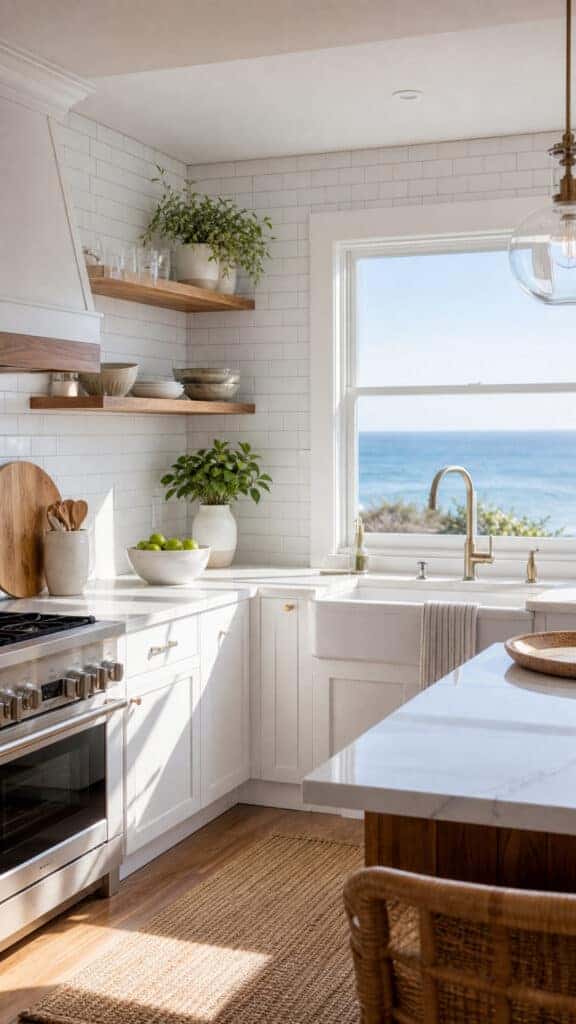
Small Living Room Solutions That Stretch Your Space
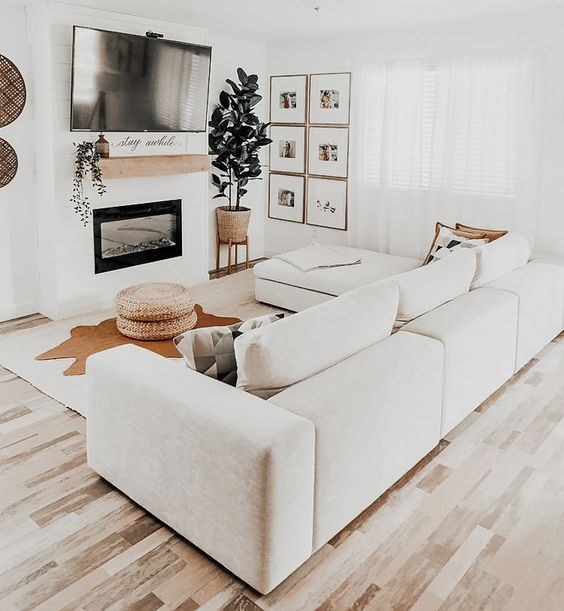
A compact living room can feel charming rather than cramped when you choose strategies that improve flow, storage, and brightness. Thoughtful choices about scale, light and multifunctional pieces make small spaces more comfortable and unexpectedly adaptable—perfect for everyday living and hosting.
This guide offers practical, stylish approaches for arranging furniture, maximizing storage, and layering light and texture so every inch works harder. Each section includes what you’ll need and step-by-step instructions to implement the idea safely and confidently.
1. Plan the Perfect Layout: Prioritize Flow Over Furniture Count
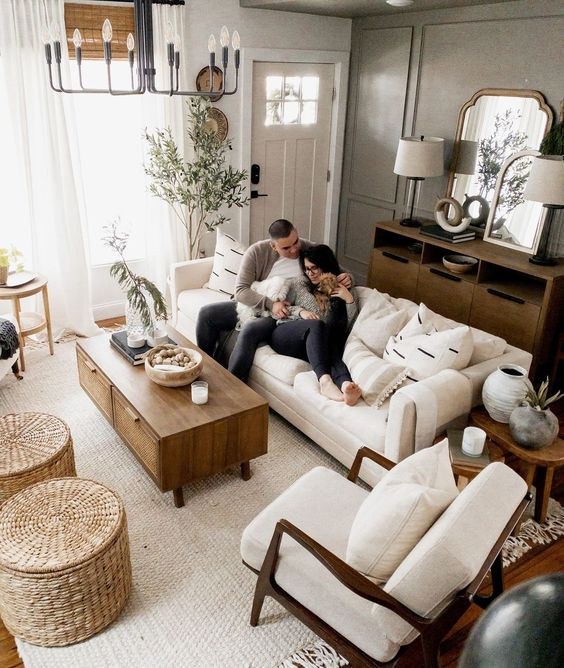
Start with a scaled plan so circulation never feels compromised. A simple room diagram (even sketched on graph paper or an app) helps you choose the right-size sofa and avoid crowding walkways. Leave at least 30–36 inches of clear path where people will move, and anchor seating around a single focal point—window, fireplace, or media wall—so the arrangement feels intentional.
What You’ll Need:
- Tape measure and notepad or a room-planning app
- Painter’s tape to mark furniture footprints on the floor
- Small-scale sofa or loveseat and one accent chair
How to Put It Together:
- Measure the room (length, width, door swings, window placement, and any radiators) and draw a simple plan to scale.
- Use painter’s tape to mark the footprint of your main seating—this reveals how much floor space each piece will occupy.
- Position the largest piece first (usually the sofa) facing your chosen focal point; keep side tables and circulation routes clear.
- Opt for furniture with exposed legs and lower backs to maintain sightlines and the feeling of openness.
- Check movement paths—adjust so there’s at least 30 inches for primary walkways; reduce to 24–28 inches only for less-used secondary paths.
- If space is tight, swap a bulky coffee table for a pair of nesting tables or a slim bench that can tuck away.
2. Choose Multifunctional Pieces and Concealed Storage
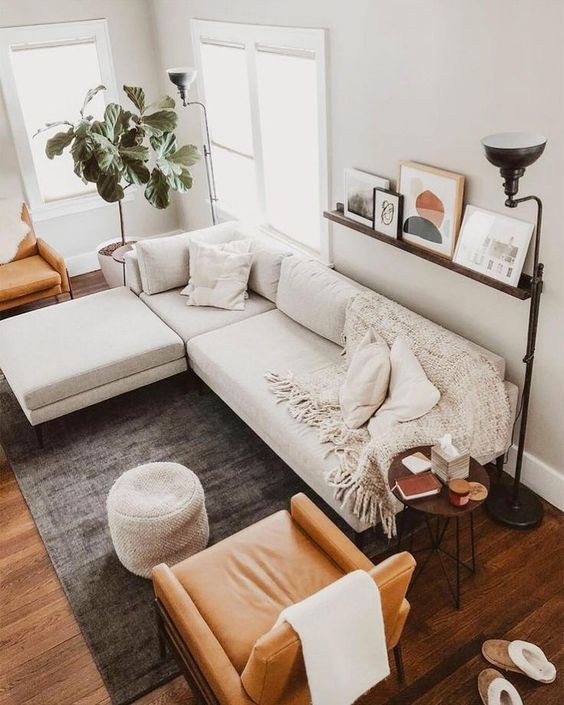
In a small living room, every object should earn its place. Choose furniture that doubles as storage—ottomans, storage benches, and media consoles with drawers keep clutter out of sight while serving everyday functions. Concealed storage prevents visual chaos and helps surfaces stay serene.
What You’ll Need:
- Storage ottoman or bench
- Low-profile media console with drawers or baskets
- Wall-mounted shelves or floating cabinets
How to Put It Together:
- Decide which items you access daily (blankets, remote controls, chargers) and assign them a nearby concealed home—ottoman interiors or console drawers.
- Replace a standard coffee table with a storage ottoman or a slim bench with a hinged top for occasional seating and hidden space.
- Install floating shelves above eye level for books and decor; reserve closed cabinets for items that create visual clutter.
- Use baskets or labeled boxes inside open shelving to keep contents tidy and safe from pets or small children.
- Secure tall bookcases to the wall with brackets to prevent tipping—especially important in homes with kids or in earthquake-prone areas.
3. Brighten and Expand with Layered Light and Reflective Surfaces
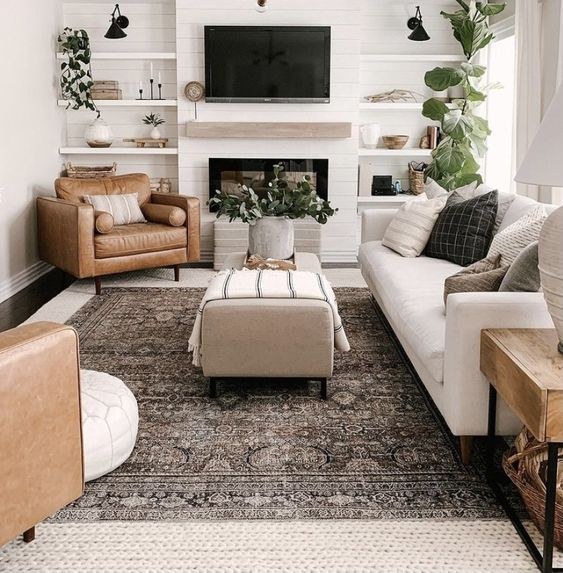
Light is the fastest way to change how a room feels. Combine natural light with layered artificial sources—ambient, task, and accent—to keep the space flexible and inviting. Mirrors placed thoughtfully multiply daylight, and a mix of warm and cool bulbs helps set the right mood for different activities.
What You’ll Need:
- Lightweight curtains or translucent shades
- Floor or table lamps for task lighting
- One mirror (large or gallery of small mirrors) and safe wall anchors
How to Put It Together:
- Maximize daylight by keeping window treatments minimal—use sheer curtains or blinds that lift fully during the day.
- Position a large mirror opposite or adjacent to a window to reflect natural light into darker corners; use secure anchors rated for the mirror’s weight.
- Layer in lighting: a central ambient fixture, a reading lamp by seating, and a small accent lamp on a console for evening warmth.
- Choose bulbs with a color temperature around 2700–3000K for cozy living areas; use brighter task lighting (3000–3500K) for reading zones.
- Avoid overloading outlets—use surge-protected power strips and hide cords with cord covers along baseboards for safety and neatness.
4. Use a Calm Color Palette and Strategic Contrast
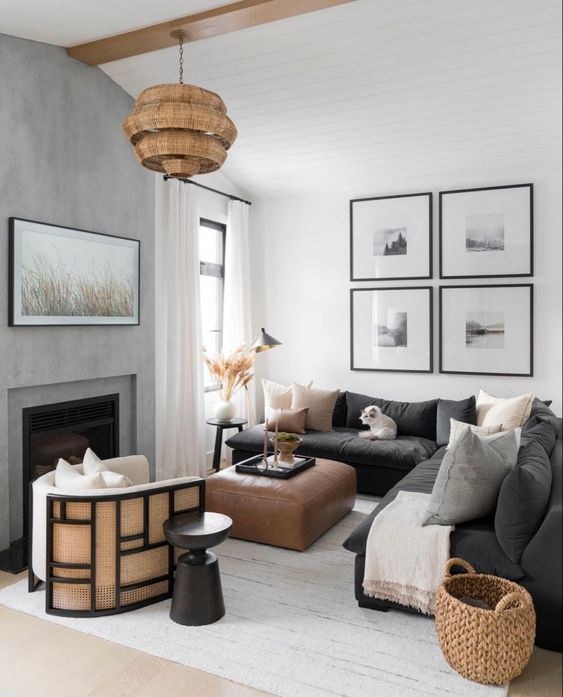
A restrained palette helps the room feel larger, while deliberate contrast keeps it interesting. Base walls and large furniture in soft neutrals or muted tones create an airy canvas; introduce deeper hues and textured accents in small bursts to add depth without overwhelming the space.
What You’ll Need:
- Sample paint swatches in two to three related tones
- Accent textiles (throw pillows, a small rug, a throw)
- A statement accent color for one focal object (lamp, chair, or artwork)
How to Put It Together:
- Choose a main wall color that reads light and warm—off-white, soft gray, or pale beige—to keep ceilings feeling higher.
- Layer in mid-tone upholstery or curtains to provide gentle contrast while maintaining cohesion.
- Select one or two accent colors and repeat them in small doses (pillows, a single armchair, or a decorative tray) to lead the eye and avoid visual chaos.
- Introduce texture—wool, linen, and woven fibers—to create interest without relying on bold patterns that can make a small space feel busy.
- Test finishes in different light throughout the day before committing to a paint color to ensure it responds well to your room’s natural light.
5. Think Vertically: Built-Ins, Shelves and High Styling
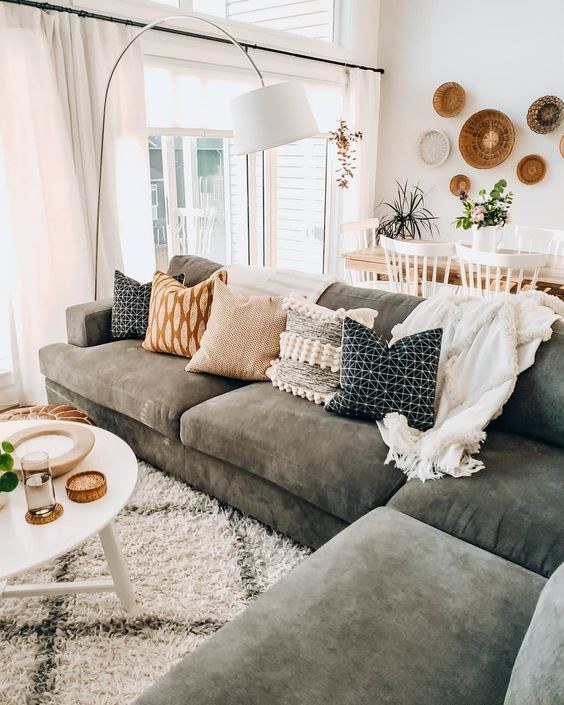
When floor space is limited, look up. Vertical solutions—tall shelving, narrow bookcases, or shallow built-ins—use otherwise wasted wall space for storage and display. Hanging curtains closer to the ceiling and placing artwork higher also gives the illusion of taller walls.
What You’ll Need:
- Tall, slim bookcase or wall-mounted shelving
- Hardware for secure installation (wall anchors, studs finder)
- Curtain rods that can be mounted near the ceiling
How to Put It Together:
- Locate studs with a stud finder and anchor tall shelving units to the wall to prevent tipping.
- Install open shelving with a mix of functional items and curated decor; keep heavier objects lower and lighter elements higher for balance.
- Hang curtain rods 4–6 inches below the ceiling or at the highest practical point to visually raise the room’s proportions.
- Arrange artwork and frames with the center line slightly above eye level to draw the gaze upward and create a sense of height.
- For recessed areas or alcoves, add shallow built-ins or a slim desk to turn an awkward spot into a purposeful niche.
6. Finish Like a Pro: Rugs, Scale, and Carefully Curated Decor
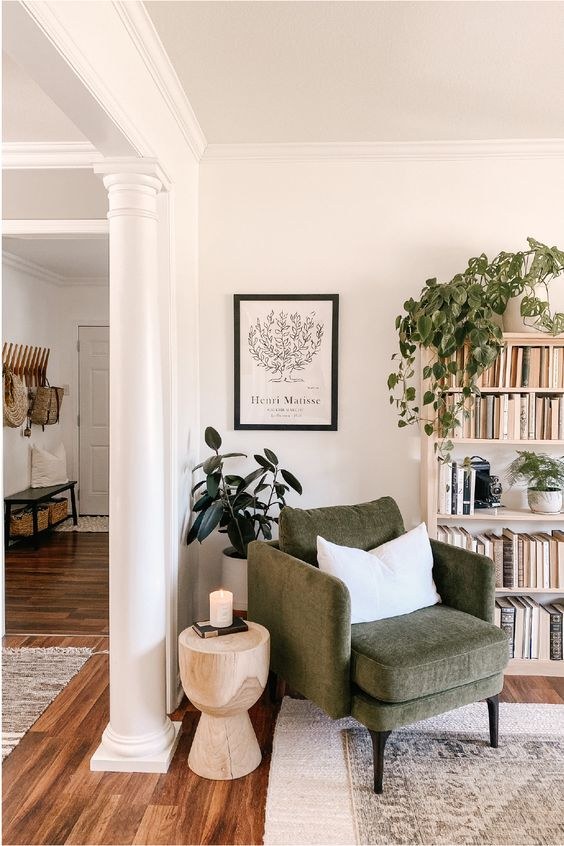
A well-chosen rug, sensible scale, and edited accessories complete the room without clutter. The right rug defines seating; scale matters—too small fragments the space, too large swallows it. Keep décor intentional and rotate items seasonally to refresh the room without accumulating more stuff.
What You’ll Need:
- Area rug sized to suit your seating arrangement (measure before buying)
- A few scaled accessories (one low-profile coffee table, a lamp, a plant)
- Soft textiles for layering (throws, cushions) and a small tray to corral items
How to Put It Together:
- Choose a rug that allows at least the front legs of seating to sit on it; if that’s impossible, pick a rug that fills the main conversation zone without covering the entire floor.
- Keep coffee tables low and narrow; consider trays on ottomans to create a flat surface for drinks and to protect fabric.
- Edit accessories—limit knickknacks and group objects in odd-numbered clusters for a curated look.
- Add a healthy plant or two for life and scale; place them where they won’t block pathways or receive too little light.
- Rotate cushions and art seasonally to keep the room feeling fresh and avoid visual accumulation.
Final Thoughts
A small living room rewards thoughtful editing: choose a few versatile pieces, layer light and texture, and make vertical space work for you. These strategies help you create a room that feels larger, more comfortable, and genuinely livable.
Start with one change—rearrange the seating, add a mirror, or swap in a storage ottoman—and build from there. With careful attention to scale and function, every inch can contribute to a cozy, stylish living space.