When Using a Credit Card Hurts Your Finances — How to Spot It and What to Do
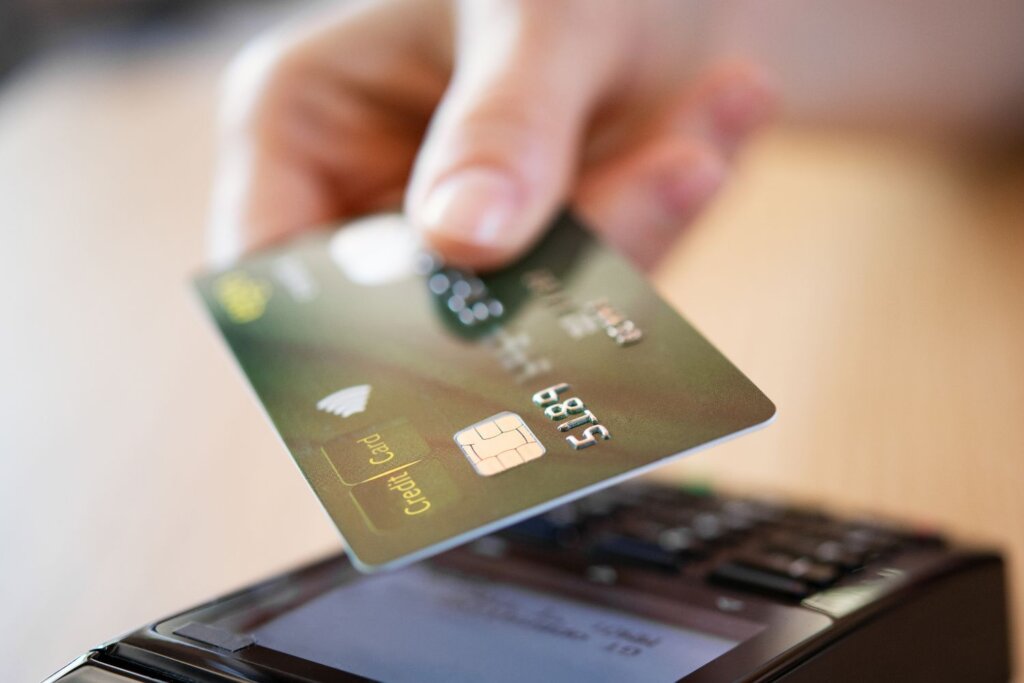
Credit cards can be useful tools, but they can also make money problems worse if you use them at the wrong times or without a plan. This guide explains the common situations where charging a purchase may cost you more than it’s worth, how interest and minimum payments work, and practical steps you can take to regain control.
Read these tips as general guidance. Credit card terms, protections, and state or federal rules vary — check your account disclosures and current official guidance before making decisions about a specific card or debt strategy.
1. How to tell when swiping is a mistake
A credit card is a tool, not free money. Certain patterns increase the chance that using a card will make your finances worse rather than help them. Watch for these warning signs:
- You don’t have a plan to pay the balance in full when the bill arrives.
- You rely on a card to cover essentials between paychecks (groceries, gas, rent).
- Balances are growing or you only make the minimum payment each month.
- You make impulse purchases when you feel stressed, bored, or emotional.
- Your partner or household members are surprised by charges or worried about debt.
Practical checklist: pause and ask yourself three quick questions before using a card—Can I pay this off at the statement due date? Is this purchase essential this month? Will this charge increase my long-term stress about money?
If the answer to any question is “no,” consider delaying the purchase, using cash or debit, or setting a strict repayment plan first.
Want a practical next step?
2. Why minimum payments and interest can trap you
Interest and minimum payment rules are where a manageable purchase can become expensive. Most cards charge interest on any balance you carry past the due date, typically stated as an annual percentage rate (APR). That APR is converted into a daily or monthly rate that compounds until the balance is paid.
Minimum payments are usually a small percentage of your balance or a flat dollar amount, so paying only the minimum can extend repayment for months or years and dramatically increase the total cost. Exact formulas and penalties vary by issuer and state, so verify the terms on your card’s account agreement.
If you’d like a plain reference explaining how minimum payments affect balances, see the Consumer Financial Protection Bureau’s guide on understanding minimum payments. Use the card’s periodic statement to check the APR, the method the issuer uses to calculate finance charges, and any grace period that applies when you pay in full each month.
3. When a credit card still makes sense
Credit cards can be useful when used intentionally. Common benefits include building a credit history with on-time payments, access to fraud protection and dispute processes, and potential rewards or purchase protections. But these benefits depend on the card and issuer, so don’t assume all cards provide the same protections or perks.
If you use cards to gain benefits while avoiding harm, follow these habits:
- Pay your full statement balance each month when possible to avoid interest and preserve any grace period.
- Keep balances low relative to your credit limit to help your credit utilization ratio.
- Review your issuer’s fraud and dispute policies so you know how to report unauthorized charges.
- Compare cards and read disclosures before applying; the Consumer Financial Protection Bureau’s general overview of credit cards can help you check what to look for.
Remember: relying on cards for convenience or rewards is only worthwhile if it does not increase stress or carryover debt.
4. Practical steps to stop harmful card use this month
If you recognize destructive patterns, try a short plan to break them. Pick a 30–60 day test period to change your habits and track results.
Immediate actions:
- Pause nonessential card use: temporarily remove saved card details from shopping apps and browsers.
- Use a hard cap: set a weekly spending limit on nonessentials and put any extra money toward the card balance.
- Switch to cash or debit for everyday purchases until you’ve paid down the most pressing balances.
- Create or top up a small emergency fund (even $500) so you’re less likely to reach for credit when a small surprise appears.
A simple paper exercise you can adapt:
- List each card, its current balance, APR, and minimum payment.
- Rank balances by cost (highest APR first) and by emotional stress (which keeps you awake).
- Choose one short-term target (for example, reduce the most stressful balance by 25% in 60 days) and write the weekly payment you’d need.
If you have multiple debts, decide whether a focused repayment method (targeting one balance) or paying down high-rate debt first fits your situation — but verify that choice against your own budget and any account-specific terms.
5. Safer alternatives and next steps
If you’re cutting back on card use, there are alternatives and supports to consider. None are guaranteed to be right for you; check product terms and current guidance before you proceed.
Options to explore:
- Debit cards or cash for everyday spending to maintain tighter spending limits.
- Secured credit cards or small credit-builder loans to rebuild payment history; compare costs and reporting practices first.
- Free credit counseling from a nonprofit agency if you’re overwhelmed — counselors can help you review options and create a repayment plan.
- Fraud monitoring and alerts from your issuer, and regularly review statements for unfamiliar charges.
If your goal is to improve credit over time, practical, evidence-based steps include making on-time payments, keeping balances low, and avoiding unnecessary new accounts. For straightforward information about improving credit, see the consumer guidance on improving your credit. Finally, if you have questions about specific cards or legal protections, consult your card agreement and official resources before making major choices.
Credit cards are neither inherently good nor bad — their impact depends on how and when you use them. If cards are increasing your stress, creating persistent balances, or funding nonessential purchases, take small, practical steps now: pause risky charging, make a short repayment plan, and check your account terms. Verify important details with your card issuer’s disclosures or official resources before you act, and consider seeking free counseling if debt feels unmanageable.
For current, general information related to this topic, review Consumer Financial Protection Bureau — Credit cards. Individual terms and circumstances can differ, so use that guidance alongside the disclosures or rules that apply to your own situation.